

- By ayla tj
- August 14, 2025
- Logistics Guide
China exporting continues to dominate global trade in 2025, offering businesses worldwide access to cost-effective manufacturing and diverse product categories. Whether you rely on sea freight, air freight, or rail freight, finding a reliable China freight forwarder is essential for ensuring timely and affordable shipments. From electronics to textiles, machinery to home goods, China’s role as the “world’s factory” remains unmatched — but understanding the logistics, costs, and regulations of china exporting is the key to profitable importing.
Overview of China Exporting
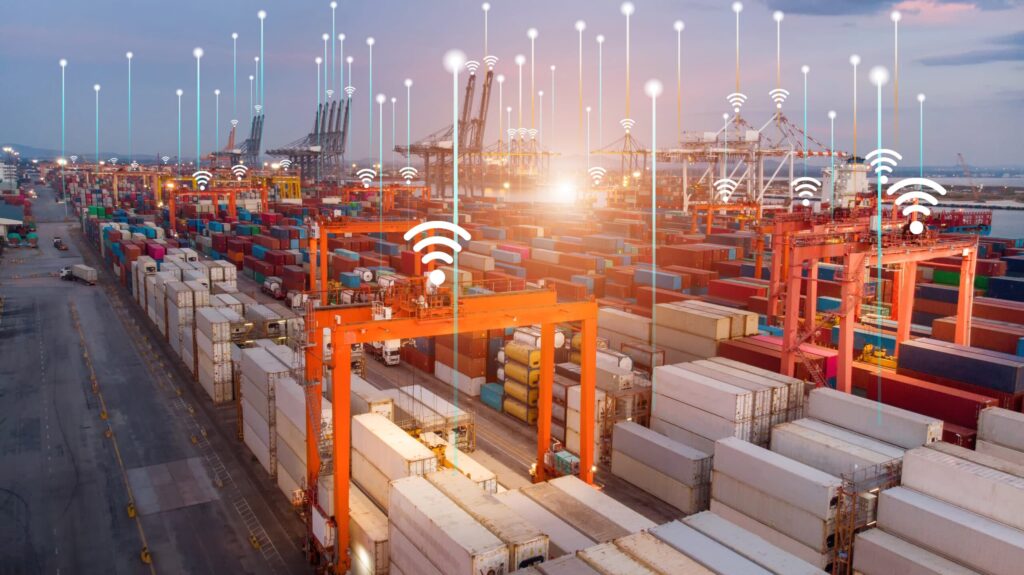
China exporting remains the backbone of international trade, with the country shipping billions of dollars’ worth of goods each year. In 2025, China has strengthened its supply chain resilience, improved customs clearance procedures, and expanded transportation networks to maintain fast delivery times to every continent.
Exporting from China involves three main transportation methods:
- Sea Freight – Ideal for bulk shipments at low cost, though with longer transit times.
- Air Freight – Fast and reliable, perfect for high-value or urgent deliveries.
- Rail Freight – Growing in popularity for Europe and parts of Asia, balancing speed and cost.
A reliable China freight forwarder helps importers choose the right mode, manage paperwork, and avoid costly mistakes.
Why China Exporting Dominates Global Trade
The success of china exporting comes down to several key factors:
- Competitive Pricing – Chinese manufacturers can produce goods at lower costs due to economies of scale.
- Diverse Product Categories – From industrial components to consumer electronics, the variety is unmatched.
- Advanced Infrastructure – Ports, airports, and rail hubs streamline transportation.
- Skilled Workforce – Skilled labor ensures consistent quality in mass production.
- Global Logistics Connectivity – Efficient sea, air, and rail links connect China to over 200 countries.

Costs Involved in China Exporting
When calculating china exporting costs, importers must consider:
- Production Costs – Price per unit from the manufacturer.
- Freight Charges – Vary by mode, weight, and destination.
- Customs Duties – Import tariffs based on HS codes.
- Insurance – Protects against loss or damage in transit.
- Handling Fees – Terminal, warehouse, and documentation costs.
Main Transportation Modes for China Exporting
| Mode | Best For | Transit Time | Cost Level | Key Advantages |
|---|---|---|---|---|
| Sea Freight | Bulk, heavy cargo | 20–40 days | Low | Cheapest for large shipments |
| Air Freight | Urgent, high-value goods | 3–7 days | High | Fast and secure |
| Rail Freight | Mid-size cargo to Europe & Asia | 12–20 days | Medium | Balanced speed & cost |
Steps to Start China Exporting for Your Business
- Identify Products – Choose items with high demand and acceptable profit margins.
- Find a Reliable China Freight Forwarder – They handle booking, documentation, and cargo tracking.
- Select the Right Transport Mode – Consider urgency, budget, and cargo type.
- Negotiate with Suppliers – Ensure clear Incoterms (FOB, CIF, EXW).
- Arrange Customs Clearance – Provide all required export/import documents.
- Track and Receive Cargo – Monitor shipment until it arrives at the final destination.
Regulations Affecting China Exporting
Chinese exports are subject to:
- Customs Compliance – Accurate HS code classification is essential.
- Export Licenses – Some products require special permissions.
- Safety Standards – Products must meet destination country regulations.
- Trade Agreements – Bilateral agreements can reduce tariffs.
Request a Quote – Get Your Shipping Costs Now
What are you waiting for?
Contact TJ China Freight for a fast, free quote.
Are you ready to book?
Access live instant freight quotes
How to Save Money on China Exporting
- Ship in Bulk – Larger quantities reduce per-unit shipping costs.
- Use Consolidation Services – Share container space with other shippers.
- Plan Ahead – Avoid peak season surcharges by booking early.
- Negotiate with Freight Forwarders – Long-term partnerships often lead to better rates.
- Optimize Packaging – Reduce dimensional weight for air freight.
Common Challenges in China Exporting
- Customs Delays – Often due to incomplete documentation.
- Currency Fluctuations – Affect overall costs.
- Port Congestion – Can delay sea freight schedules.
- Communication Barriers – Misunderstandings with suppliers.
- Quality Issues – Require strict pre-shipment inspections.
Future Trends in China Exporting
- Digital Logistics Platforms – Faster quotes and booking processes.
- Green Shipping Initiatives – Low-emission vessels and eco-friendly packaging.
- Increased Rail Freight Use – Especially to Europe.
- Automation in Warehousing – Improves speed and reduces labor costs.
Why Choose Us?
- 10+ years in international logistics
- Competitive shipping rates
- Dedicated account manager
- Real-time cargo tracking
- Warehousing and consolidation services
We ensure your agent China is handled with maximum care and transparency.
Final Thoughts
Understanding the processes, regulations, and logistics involved in China exporting is crucial for businesses looking to expand globally. By leveraging the right shipping methods, reliable freight forwarders, and efficient supply chain strategies, companies can reduce costs, ensure timely delivery, and navigate international trade smoothly. Staying informed about tariffs, documentation, and market trends allows businesses to make strategic decisions and succeed in China exporting in 2025 and beyond.
FAQ
Q1: Which transport mode is cheapest for china exporting?
Sea freight.
Q2: How long does sea freight from China take?
Around 20–40 days.
Q3: Can I ship small quantities from China?
Yes, via LCL or air freight.
Q4: Do I need an export license in China?
Only for certain restricted products.
Q5: Are rail freight options from China to Europe reliable?
Yes, increasingly so in 2025.