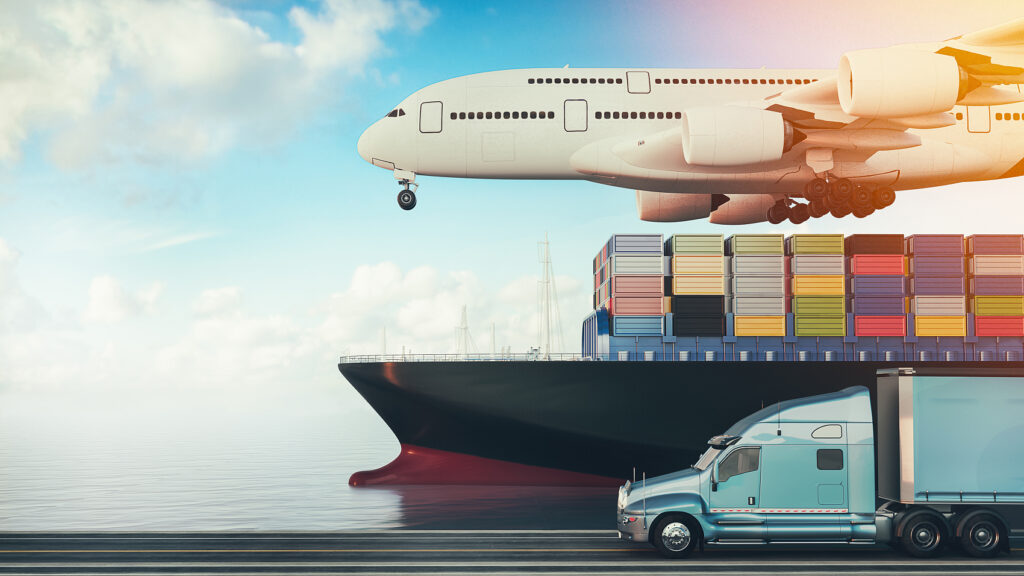
When managing international logistics, knowing how wide is shipping container is crucial for planning cargo space and transport. Whether you ship viasea freight, air freight, or rail freight, a reliable China freight forwarder can advise on container sizes, weight limits, and best practices. In 2025, understanding container dimensions helps optimize storage, reduce shipping costs, and ensure safe handling from China to global destinations.
Standard Shipping Container Dimensions
Shipping containers come in standard sizes that are widely used for global trade.
Container Type
Length
Width
Height
Volume (approx.)
20ft Standard
20 ft (6.1m)
8 ft (2.44m)
8.5 ft (2.59m)
33 CBM
40ft Standard
40 ft (12.2m)
8 ft (2.44m)
8.5 ft (2.59m)
67 CBM
40ft High Cube
40 ft (12.2m)
8 ft (2.44m)
9.5 ft (2.89m)
76 CBM
45ft High Cube
45 ft (13.7m)
8 ft (2.44m)
9.5 ft (2.89m)
86 CBM
❗️Note:The width of a standard shipping container is generally 8 feet (2.44 meters), while high cube containers maintain the same width but offer more height.
Why Knowing Container Width Matters
Cargo Planning – Ensures goods fit without damage.
Transportation Efficiency – Helps select the right transport mode (truck, train, ship).
Cost Calculation – Shipping costs often depend on container type and utilization.
Port Handling – Width affects stacking, loading, and unloading.
Regulatory Compliance – Oversized cargo may require special permits.
Transportation Options and Container Width Compatibility
Mode
Container Use
Notes
Sea Freight
Standard 20ft, 40ft, High Cube
Most common for international shipping
Air Freight
Air cargo containers (smaller, lighter)
Width and size vary by aircraft type
Rail Freight
Standard containers on flatcars
Width compatible with rail gauge and tunnels
📌Tips:Sea freight allows full standard-width containers.
Air freight uses smaller containers or pallets due to aircraft limitations.
Rail freight uses standard-width containers compatible with domestic rail networks.
Special Shipping Container Types
Open Top Container – For cargo taller than standard height.
Flat Rack Container – For oversized cargo, maintaining 8 ft width.
Refrigerated Container (Reefer) – Standard width, climate-controlled for perishable goods.
Tank Container – Liquid cargo, typically 8 ft wide.
How Container Width Affects Shipping Costs
Full Container Load (FCL) – Wide containers maximize volume efficiency.
Less-than-Container Load (LCL) – Width affects how many pallets fit.
Oversized Cargo – Exceeding standard width may incur extra fees.
Port Charges – Handling wide or oversized containers may increase costs.
Measure cargo precisely – Include packaging and pallets.
Use pallets wisely – Align pallets with container width for optimal space.
Stack carefully – Avoid overloading height while using full width.
Choose the right container type – High cube for taller cargo.
Consult a freight forwarder – Ensure compatibility with transport mode and destination ports.
Steps for Shipping Containers from China
Select container type – Based on cargo size, volume, and weight.
Request a quote – Include origin, destination, and cargo details.
Book shipment – Sea, air, or rail freight.
Prepare documents – Commercial invoice, packing list, and bill of lading.
Customs clearance – Forwarder manages export from China and import at destination.
Final delivery – Door-to-door or port-to-port delivery.
Why Choose Us?
10+ years in international logistics
Competitive shipping rates
Dedicated account manager
Real-time cargo tracking
Warehousing and consolidation services
We ensure your agent Chinais handled with maximum care and transparency.
Final Thoughts
Knowing how wide is shipping container is essential for planning and optimizing international shipments. Standard containers maintain a width of 8 feet, while high cube options increase height without changing width. Whether using sea freight, air freight, or rail freight, a reliable China freight forwarder ensures proper container selection, efficient space utilization, and secure delivery. Understanding container dimensions in 2025 helps businesses save costs, avoid damages, and streamline logistics from China to global destinations.