

- By carlie tj
- August 18, 2025
- Logistics Guide
When considering international shipping options, understanding the sea freight from China to Singapore is crucial for businesses aiming to optimize logistics expenses. Sea freight remains one of the most cost-effective methods for transporting goods in bulk across long distances. This article delves into what constitutes sea freight from China to Singapore, factors influencing these costs, and how to obtain an accurate quote.
1. What Is Sea Freight from China to Singapore?
Sea freight refers to the transportation of goods via ocean vessels from ports in China to the Port of Singapore. This method is widely used for its cost-effectiveness, especially for large shipments. The process involves several key steps:
- Booking and Documentation: Arranging the shipment and preparing necessary documents.
- Cargo Consolidation: Combining smaller shipments into a full container load (FCL) or less than container load (LCL).
- Customs Clearance: Ensuring compliance with export and import regulations.
- Ocean Transit: The actual sea journey from China to Singapore.
- Unloading and Delivery: Offloading the cargo at the destination port and delivering it to the final address.
Understanding these components helps businesses assess the overall cost-effectiveness of sea freight compared to other shipping methods.
📌 2. Factors Influencing Sea Freight Cost from China to Singapore
Several factors can impact sea freight costs, including:
- Cargo Volume and Weight: Larger and heavier shipments may incur higher costs.
- Shipping Route: Direct routes are typically more economical than those requiring transshipment.
- Container Type: Specialized containers, like refrigerated units, may have higher fees.
- Fuel Prices: Fluctuations in fuel costs can lead to surcharges.
- Seasonal Demand: Peak seasons often see increased rates due to higher demand.
3. Transportation Details for Sea Freight from China to Singapore
| Logistics Step | Description |
|---|---|
| Loading Cargo | Goods are packed into containers at the origin port in China. |
| Ocean Transit | Containers are transported via sea to the Port of Singapore. |
| Unloading | Upon arrival, containers are unloaded and cleared through customs. |
| Inland Delivery | Finally, goods are transported to their final destination in Singapore. |
📌4. Requesting a Sea Freight Quote from China to Singapore
| Required Information | Details |
|---|---|
| Cargo Details | Specify the type, volume, and weight of the goods. |
| Shipping Route | Indicate the origin and destination ports. |
| Container Requirements | State any specific container needs, such as temperature control. |
| Service Type | Decide between Full Container Load (FCL) or Less than Container Load (LCL). |
| Timeline | Provide preferred shipping dates and delivery deadlines. |
✔️5. Benefits of Sea Freight from China to Singapore
Cost-Effectiveness: Sea freight is generally more economical for large shipments compared to air freight.
Capacity: Vessels can accommodate a wide range of cargo sizes and quantities.
Environmental Impact: Shipping by sea produces fewer emissions per ton-mile than other modes of transport.
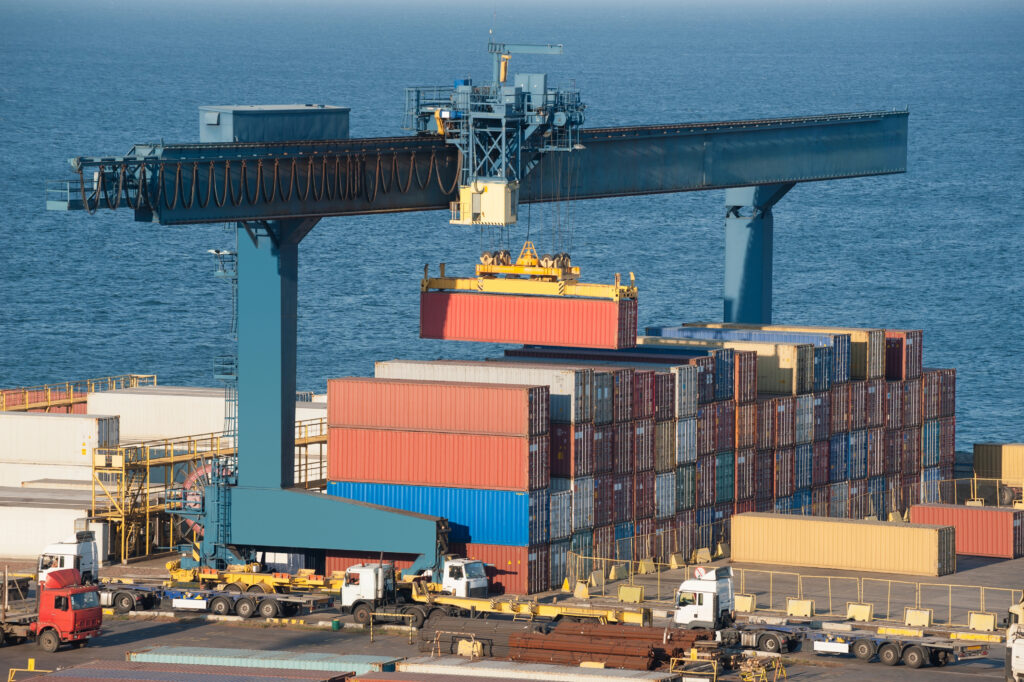
6. Common Limitations of Sea Freight from China to Singapore
While sea freight offers numerous benefits, there are also some limitations to consider:
- Transit Time: Sea freight typically takes longer than air freight, with transit times ranging from 7 to 14 days.
- Weather Conditions: Adverse weather can cause delays in shipping schedules.
- Port Congestion: Busy ports may experience delays in loading and unloading operations.
7. Request a Quote
China Top Freight offers:
- ✅ Origin and Destination Countries
- ✅ Cargo Type and Volume
- ✅ Preferred Transport Method (Air, Sea, Rail, Road)
- ✅ Delivery Timeline
- ✅ Special Handling Requirements (if any)
💬8. FAQ
Q. How long does sea freight take?
A. Transit times typically range from 7 to 14 days, depending on the specific ports and shipping routes.
Q. Can I ship hazardous materials?
A. Yes, but special handling and documentation are required.
Q. Are there additional costs beyond the sea freight charge?
A. Yes, additional costs may include customs duties, port fees, and inland transportation charges.
Q. How can I track my shipment?
A. Most logistics providers offer tracking services through their websites or mobile apps.
Q. Can I choose between different shipping methods?
A. Yes, providers typically offer a variety of shipping methods depending on your needs, including standard and expedited options.