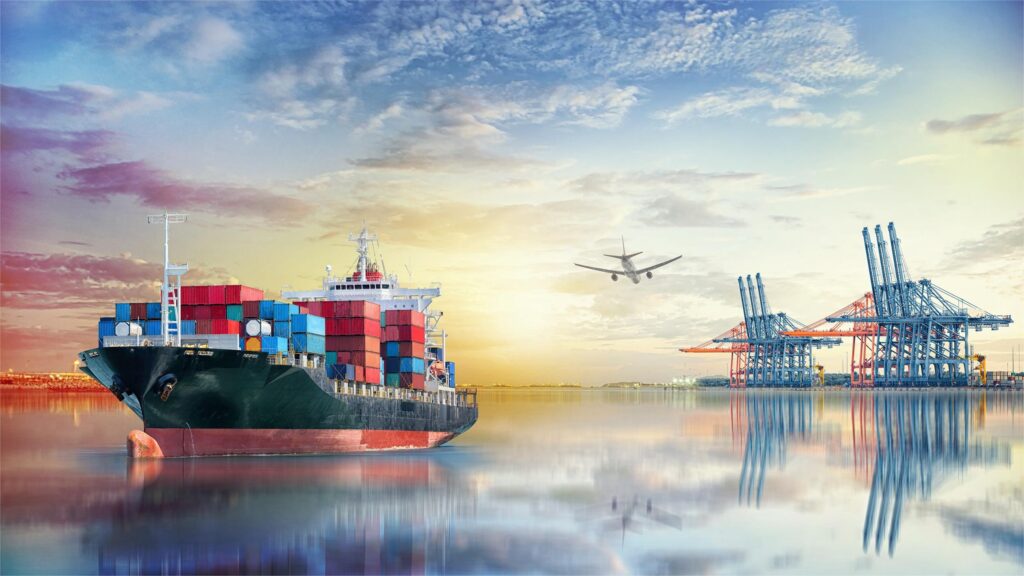
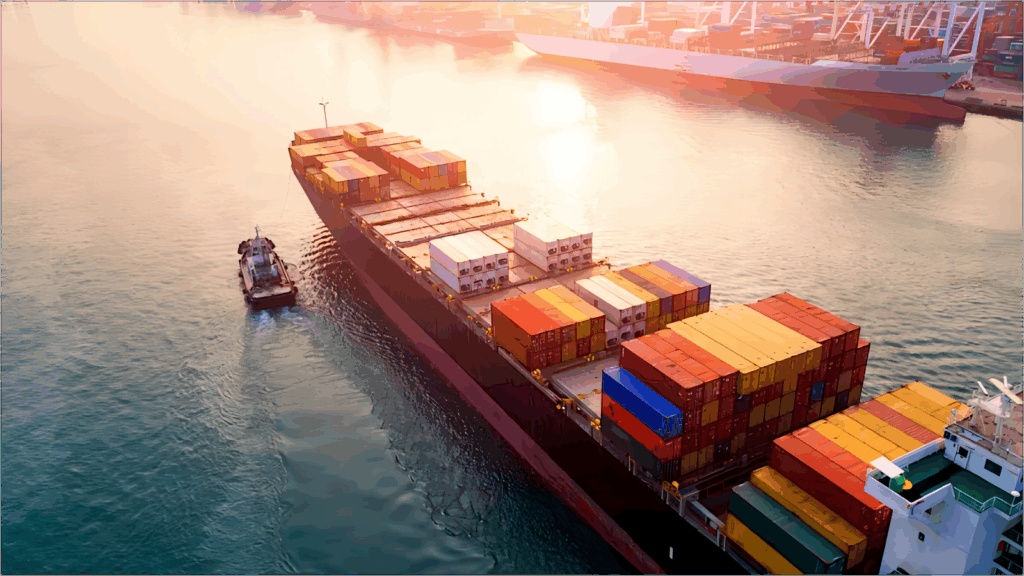
Australia’s growing reliance on Chinese goods makes sea freight the most popular transport mode for importers. While air freight is fast, it’s costly. For bulk shipments, nothing beats the affordability of China to Australia sea freight.
This article explains FCL and LCL options, costs, transit times, customs clearance, and why working with a reliable freight forwarder is the smartest way to move cargo between China and Australia.
Transit Times for Sea Freight from China to Australia
Route
Transit Time
Frequency
Shanghai → Sydney
18–22 days
Weekly
Ningbo → Melbourne
20–25 days
Weekly
Shenzhen → Brisbane
16–20 days
Weekly
Qingdao → Perth
18–24 days
Weekly
Required Documents & Customs Clearance in Australia
Bill of Lading
Commercial Invoice
Packing List
Certificate of Origin (if required)
Import Declaration (for Australian Customs & Border Protection)
Quarantine Clearance (DAFF) – Strict checks for biosecurity compliance.
Challenges in China to Australia Sea Freight
Customs & Quarantine – Australia has strict rules for food, wood, and agricultural products.
Port Congestion – Delays at Sydney and Melbourne ports during peak season.
Freight Rate Volatility – Prices rise sharply before Chinese New Year.
Risk of Damage in LCL Cargo – Goods may mix with others if poorly packed.
Why Work with a Reliable China Freight Forwarder
Negotiated Rates: Forwarders secure better rates with shipping lines.
Consolidation Options: Combine cargo from multiple suppliers.
Customs Expertise: Forwarders prepare all documentation.
Door-to-Door Service: From supplier pickup in China to warehouse delivery in Australia.
Risk Management: Insurance and tracking included.
Final Thoughts
For Australian importers, China to Australia sea freight remains the most cost-effective way to move goods. Whether you need FCL for bulk cargo or LCL for smaller shipments, a reliable China freight forwarder ensures smooth customs clearance, competitive rates, and on-time delivery.