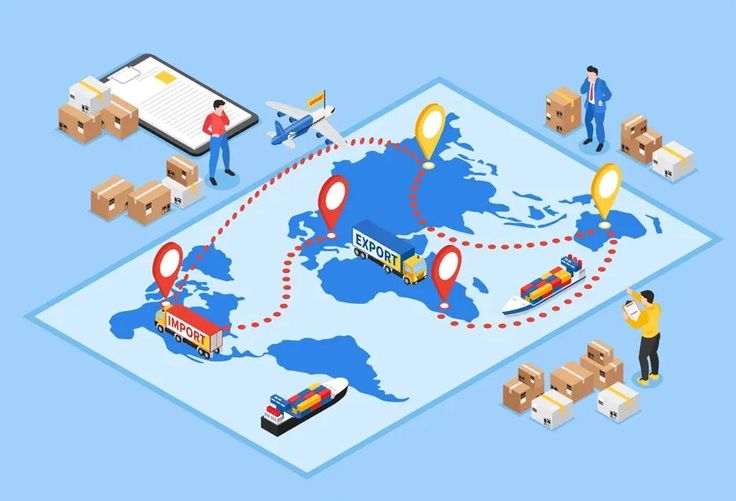
Importers often face a tough choice: sea freight from China to Europe is cheap but slow, while air freight is fast but expensive. The middle ground? The cargo train from China to Europe, also known as China–Europe rail freight.

This guide explains routes, costs, transit times, and practical advice for using rail freight to balance speed and cost when shipping cargo from China to Europe.

Why Choose Cargo Train Shipping from China to Europe?

cargo train china europe
  • Transit Time: 18–22 days, faster than sea freight (30–40 days).
  • Cost: 40–60% cheaper than air freight.
  • Reliability: Fixed timetables and frequent departures.
  • Eco-Friendly: Rail freight produces less CO₂ than air transport.

Key Rail Freight Routes Connecting China and Europe

China to Germany (Duisburg)

  • Duisburg is the main European hub for China–Europe rail freight.
  • Transit: ~18–20 days.

China to Poland (Warsaw & Lodz)

  • Poland serves as an entry point for Central and Eastern Europe.
  • Transit: ~16–18 days.

China to UK, France & Spain

  • Containers move through Poland/Germany and continue westward.
  • Transit: 20–24 days.

Cargo Train Costs & Transit Times from China to Europe

ModeAvg. Cost (2025)Transit TimeBest For
Rail Freight (40ft FCL)$9,000–$12,00018–22 daysMid-volume shipments
Rail Freight (LCL)$150–$200 per CBM18–22 daysSMEs, mixed cargo
Sea Freight (40ft FCL)$2,000–$3,00030–40 daysLarge shipments
Air Freight$5–$8 per kg5–7 daysUrgent, high-value cargo

Request a Quote – Get Your Shipping Costs Now

  Are you ready to book?

    Access live instant freight quotes

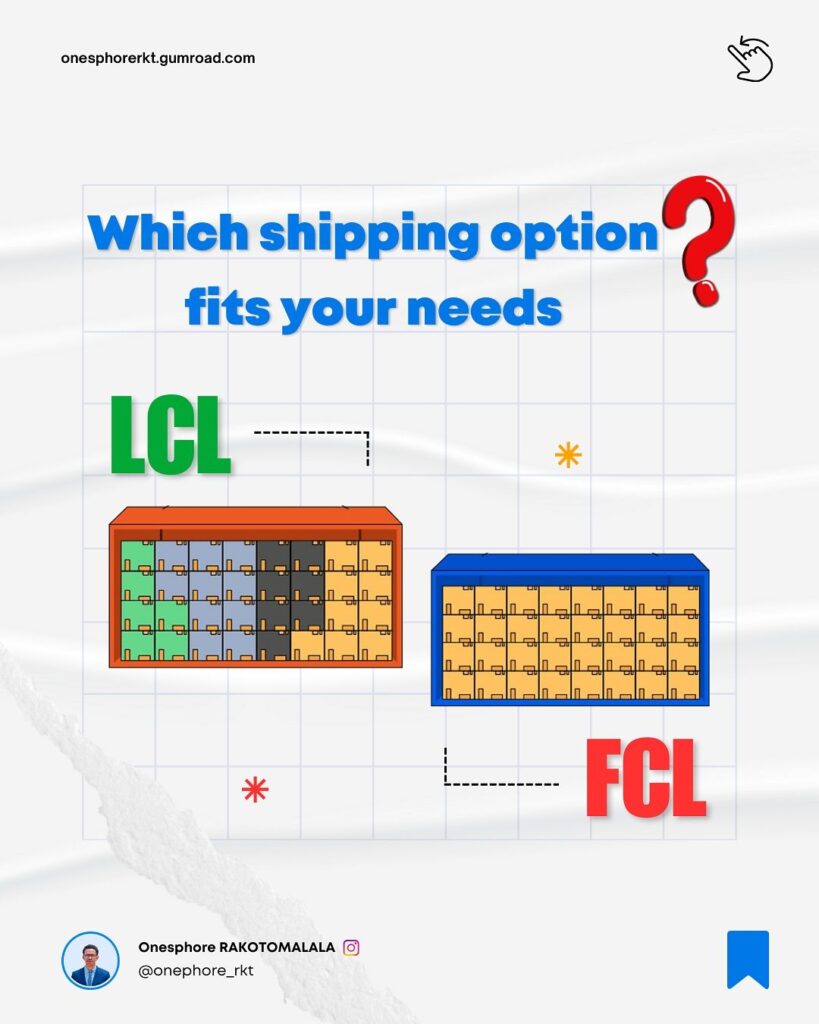
FCL vs LCL Rail Freight from China to Europe

cargo train china europe
  • FCL (Full Container Load): Ideal for big volumes, lower per-unit cost.
  • LCL (Less than Container Load): Affordable for SMEs consolidating cargo.

Advantages of Cargo Train over Sea & Air Freight

  • Faster than sea freight while being cheaper than air.
  • Reliable schedules with multiple departures weekly.
  • Sustainable choice, reducing carbon footprint.
  • Door-to-door service available with multimodal logistics.

Common Challenges in China–Europe Rail Freight

  • Customs Delays: Multiple border checks (China, Kazakhstan, Belarus, EU).
  • Limited Space: High demand can cause booking issues.
  • Higher Cost than Sea Freight: Not ideal for very low-margin products.

Tips for Importers Using Cargo Train Services

  • Book early—rail capacity fills quickly during peak seasons.
  • Work with forwarders offering consolidation services in Chinese hubs (Xi’an, Chengdu, Chongqing).
  • Ensure accurate customs documentation to avoid border delays.
  • Use cargo insurance for added protection.

Case Study – Rail Freight Shipment from Xi’an to Duisburg

A European importer shipped 10,000 kg of electronics from Xi’an to Duisburg:

  • Rail Freight: $10,500, 19 days.
  • Air Freight: $6/kg × 10,000 = $60,000, 6 days.
  • Sea Freight: $2,500, 35 days.

👉 Rail freight saved $49,500 compared to air while delivering 16 days faster than sea freight.

Final Thoughts

The cargo train from China to Europe offers the perfect balance: faster than sea freight and cheaper than air. With reliable schedules, eco-friendly transport, and growing rail networks, it’s a smart option for importers who need timely yet affordable shipping.


FAQ

Q1: Can I ship hazardous cargo by rail from China to Europe?

Yes, but only with carriers licensed for dangerous goods (DG).

Xi’an, Chengdu, Chongqing, Zhengzhou, and Wuhan.

Most trains run weekly with fixed timetables, but border inspections may add delays.

Yes, cargo insurance is recommended due to multiple handlings across borders.

Yes, forwarders combine rail with trucking for full delivery.

Forwarders manage declarations at each border crossing to ensure compliance.

Yes, typically 40–60% cheaper, making it ideal for mid-urgency shipments.

Post a Comment