

- By carlie tj
- September 4, 2025
- Logistics Guide
For many importers in Latin America, the cost of shipping from China to Peru by sea is a crucial factor in determining profit margins and delivery efficiency. Partnering with experts such as ChinaTopFreight ensures transparent pricing, reliable schedules, and professional support in navigating international trade complexities.
1. What Makes Sea Freight from China to Peru Popular?
Sea freight remains the backbone of China–Peru trade because it balances cost-effectiveness with capacity. While air freight offers speed, sea shipping is significantly cheaper, especially for heavy machinery, bulk goods, and large retail consignments. Moreover, Peru’s Pacific-facing ports connect seamlessly with China’s major terminals, ensuring global supply chain continuity.
2. How Much Does Shipping from China to Peru by Sea Cost?
The average cost of a 40ft container from China to Peru ranges between USD 3,200–4,900, depending on the season, carrier, and cargo type.
| Container Type | Estimated Cost (USD) | Best For |
|---|---|---|
| 20ft FCL | 1,700 – 2,400 | Small to medium shipments |
| 40ft FCL | 3,200 – 4,900 | High-volume cargo |
| LCL (per CBM) | 120 – 180 | Shared container loads |
Note: Prices fluctuate with fuel surcharges, port congestion, and international demand cycles.
3. How Long Does Shipping from China to Peru Take?
Transit times depend on the port of origin and carrier schedule. On average, it takes 28–40 days.
- Shanghai → Callao: 28–32 days
- Ningbo → Callao: 30–35 days
- Shenzhen → Callao: 32–38 days
Delays may occur due to weather, customs checks, or seasonal port congestion.
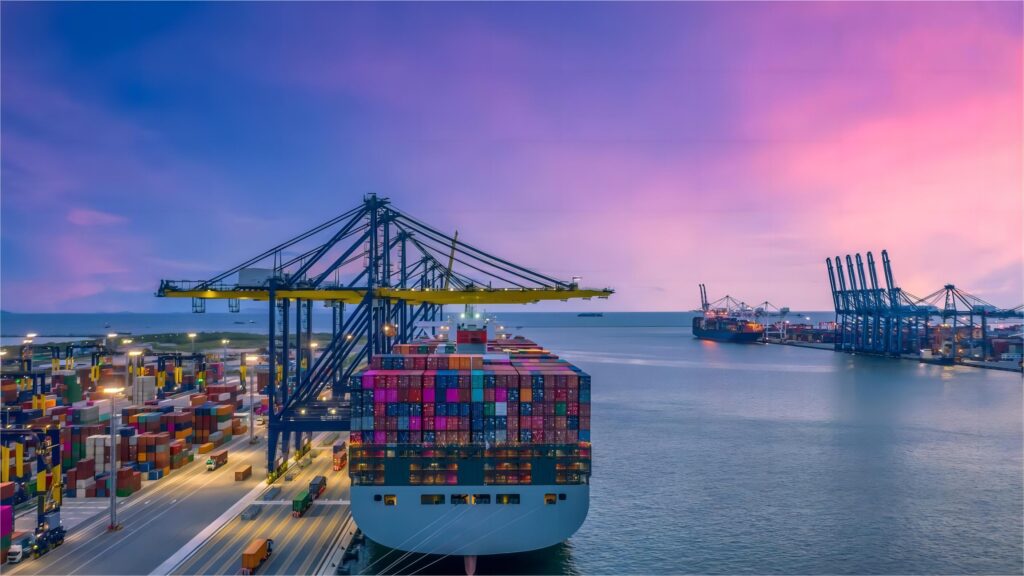
4. Which Is Better for You: FCL or LCL?
Choosing between FCL (Full Container Load) and LCL (Less than Container Load) affects both shipping costs and delivery schedules.
- FCL: Cost-effective for larger loads; offers better security and faster handling.
- LCL: Ideal for smaller businesses; cargo is consolidated with others, but handling may add extra days.
5. What Factors Influence the Cost of Shipping from China to Peru by Sea?
Several variables impact final freight rates:
- Container size & type (20ft, 40ft, refrigerated).
- Incoterms (FOB, CIF, DAP).
- Port fees & terminal handling charges.
- Fuel price adjustments (BAF).
- Peak season demand, especially before Christmas and Chinese New Year.
6. Can You Reduce the Cost of Shipping from China to Peru by Sea?
Absolutely. Businesses can take several actions:
- Book early to secure lower rates.
- Choose FCL if volumes justify it.
- Consolidate shipments when using LCL.
- Compare multiple freight forwarders.
- Work with logistics experts for optimal routing and customs support.
7.Conclusion
The cost of shipping from China to Peru by sea depends on container type, shipment size, and applicable customs duties. Although sea freight usually takes longer than air transport, it remains the most cost-effective solution for businesses that import goods in bulk. Moreover, companies can actively lower costs by planning ahead, consolidating cargo, and negotiating competitive rates with expert freight forwarders. Additionally, proactive supply chain management ensures smoother customs clearance and fewer unexpected delays. Therefore, partnering with a trusted provider such as ChinaTopFreight not only reduces costs but also guarantees efficiency, transparency, and long-term logistics success.
8. Request a Quote
China Top Freight offers:
- ✅ Origin and Destination Countries
- ✅ Cargo Type and Volume
- ✅ Preferred Transport Method (Air, Sea, Rail, Road)
- ✅ Delivery Timeline
- ✅ Special Handling Requirements (if any)
9. FAQ
Q1: What is the cheapest way to ship from China to Peru?
The cheapest option is typically sea freight using LCL shipping for small shipments or FCL for larger loads. Importers can also reduce costs by consolidating shipments, booking during off-peak seasons, and negotiating rates with freight forwarders.
Q2: How do I choose between LCL and FCL shipping?
The choice depends on shipment size. If cargo is less than 15 CBM, LCL is usually more cost-effective. For larger shipments, FCL provides lower cost per unit, faster handling, and reduced risk of cargo damage.
Q3: Can perishable goods be shipped by sea from China to Peru?
Perishable items can be shipped using reefer containers equipped with temperature control. However, importers must ensure proper documentation and meet Peru’s strict sanitary regulations to avoid rejection at customs.
Q4: Are there restrictions on what can be imported into Peru?
Yes, restricted goods include firearms, hazardous chemicals, and counterfeit products. Importers must check Peruvian customs guidelines in advance to confirm whether a license or special permit is required for their products.
Q5: How do peak seasons affect shipping costs from China to Peru?
Peak seasons, especially before Chinese New Year and major holidays, increase demand for container space. As a result, freight rates rise by 20–30%. Importers should plan shipments in advance to avoid higher costs.