

- By carlie tj
- September 4, 2025
- Logistics Guide
Importing goods from China to the Philippines is a cornerstone of many businesses in Southeast Asia. However, many importers face uncertainty when estimating the real shipping China to PH costs and delivery schedules. At China Top Freight, we help companies reduce risks, streamline customs, and cut logistics expenses. This article will walk you through costs, shipping methods, transit times, customs clearance, and practical tips to optimize your supply chain.
1. What Are the Main Shipping Options from China to the Philippines?
Importers can choose between sea freight and air freight when shipping China to PH. Sea freight is the most popular option for bulk shipments, while air freight is ideal for urgent or high-value cargo. Courier services are available for small packages, although they are more expensive per kilogram.
2. How Much Does Shipping from China to the Philippines Cost?
container size, weight, and port charges.
| Method | Average Cost (USD) | Transit Time | Best For |
|---|---|---|---|
| LCL (Less than Container Load) | $35–$55 per CBM | 7–12 days | Small shipments |
| FCL 20ft Container | $1,200–$1,600 | 5–8 days | Medium cargo |
| FCL 40ft Container | $2,000–$2,700 | 5–8 days | Bulk shipments |
| Air Freight | $4–$8 per kg | 2–5 days | Urgent goods |
Costs fluctuate during peak seasons such as pre-holiday months and before Chinese New Year.
3. How Long Does It Take to Ship from China to the Philippines?
Transit times are shorter compared to long-haul international shipping because of the countries’ close proximity.
- Shanghai to Manila: 7–9 days by sea, 2–3 days by air
- Shenzhen to Cebu: 6–8 days by sea, 2–3 days by air
- Ningbo to Davao: 8–10 days by sea, 3–5 days by air
Moreover, importers should add extra days for consolidation and customs clearance at both ends.
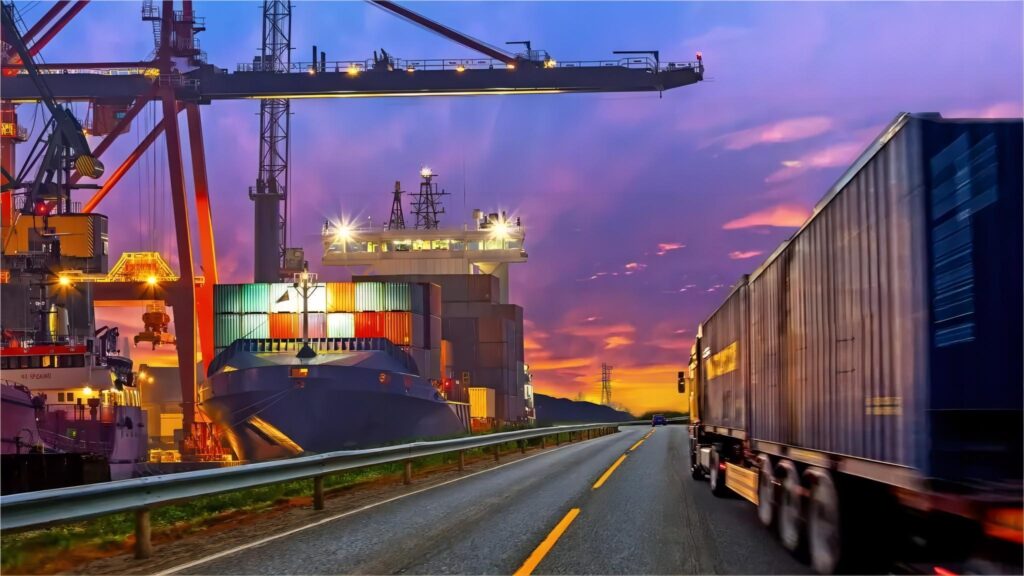
4. Why Choose Sea Freight Over Air Freight for China–Philippines Trade?
While air freight is faster, sea freight is significantly cheaper for medium to large shipments.
| Factor | Sea Freight | Air Freight |
|---|---|---|
| Cost | $35–$55 per CBM | $4–$8 per kg |
| Transit Time | 6–12 days | 2–5 days |
| Cargo Volume | Ideal for bulk orders | Best for urgent items |
| Environmental Impact | Lower emissions | Higher emissions |
Therefore, most businesses importing in bulk prefer sea freight to keep costs low.
5. What Factors Affect Shipping Costs from China to the Philippines?
Several variables influence the final freight cost:
- Cargo size and weight (CBM or per kg for air)
- Type of container (20ft, 40ft, reefer for perishables)
- Port handling charges in Manila, Cebu, or Davao
- Fuel surcharges and seasonal fluctuations
- Additional inland trucking or delivery fees
Understanding these factors allows businesses to negotiate better rates and budget accurately.
6. How to Avoid Delays in Shipping China to PH?
Delays often occur because of incomplete documentation, port congestion, or miscommunication with suppliers. To prevent issues:
- Double-check paperwork before shipment
- Work with suppliers that follow export regulations
- Book shipments early during peak seasons
- Choose experienced freight forwarders for customs clearance
By taking these proactive steps, businesses can reduce risks and maintain reliable delivery schedules.
7.Conclusion
The process of shipping China to PH involves balancing costs, speed, and customs requirements. While sea freight is the most economical option for bulk shipments, air freight offers faster delivery for urgent cargo. By planning ahead, consolidating shipments, and working with experienced freight forwarders, businesses can reduce costs and avoid delays. Ultimately, selecting a trusted logistics partner such as China Top Freight ensures transparency, efficiency, and long-term supply chain success.
8. Request a Quote
China Top Freight offers:
- ✅ Origin and Destination Countries
- ✅ Cargo Type and Volume
- ✅ Preferred Transport Method (Air, Sea, Rail, Road)
- ✅ Delivery Timeline
- ✅ Special Handling Requirements (if any)
9. FAQ
Q1: What is the cheapest way to ship from China to the Philippines?
The cheapest option is sea freight—LCL for small loads or FCL for larger ones. Costs can be reduced further by consolidating cargo and using freight forwarders who secure bulk discounts.
Q2: How much does air freight cost from China to the Philippines?
Air freight costs $4–$8 per kilogram, depending on cargo type and airline. It is best for urgent shipments, electronics, and high-value goods.
Q3: Are there restricted goods when importing from China to the Philippines?
Restricted goods include hazardous chemicals, firearms, and some agricultural products. Items like food and electronics may need permits or certifications.
Q4: How do I calculate customs duties when importing from China?
Duties are calculated based on the product category, declared value, and applicable tariffs. Importers also need to account for VAT and handling fees. Working with a customs broker or freight forwarder simplifies this process.
Q5: What is the average transit time for sea freight?
Sea freight from China to the Philippines typically takes 6–12 days depending on the origin port and destination city. Importers should also add 2–3 days for consolidation and clearance procedures.