

- By ayla tj
- September 4, 2025
- Logistics Guide
When it comes to international trade, China COSCO Shipping is one of the largest and most trusted state-owned carriers in the world. It plays a crucial role in global supply chains, offering sea freight, container logistics, bulk cargo, and integrated shipping solutions. However, importers often wonder about shipping costs, transit times, customs clearance, and freight options when using COSCO’s extensive network. This guide explores everything you need to know about China COSCO Shipping and how businesses can benefit from its global services.
What Is China COSCO Shipping and Why Is It Important?

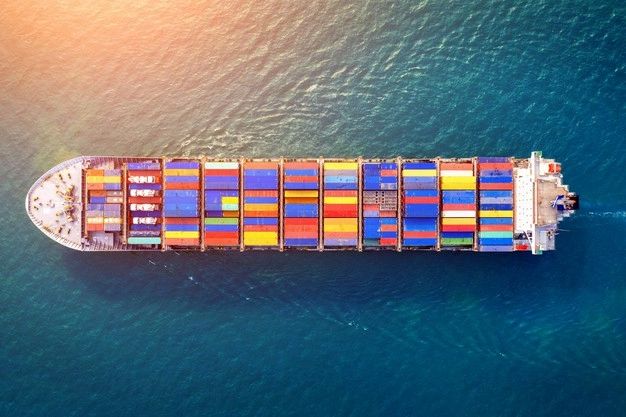
China COSCO Shipping Corporation is a government-owned shipping giant formed through the merger of COSCO and China Shipping in 2016. Today, it operates one of the largest container fleets worldwide, covering over 1,400 vessels and 300 ports across 160+ countries.
Moreover, its services extend beyond ocean freight to include logistics, terminal operations, warehousing, and multimodal transport, making it a full-scale supply chain provider.
What Services Does China COSCO Shipping Offer?
- Container Shipping (FCL/LCL) – Full and partial container load shipments worldwide.
- Bulk Cargo Transport – Ideal for raw materials like coal, steel, and grain.
- Ro-Ro Services – Shipping of vehicles and heavy machinery.
- Logistics & Warehousing – Bonded warehouses and distribution hubs.
- Terminal Services – Operating container terminals across major ports.
- Multimodal Transport – Rail, road, and sea integration for efficient delivery.
How Much Does It Cost to Ship with China COSCO Shipping?
| Shipping Method | Cost Estimate | Transit Time | Best For | Pros | Cons |
|---|---|---|---|---|---|
| Courier (via partners) | $8–$12/kg | 3–7 days | Small parcels | Fast delivery | Expensive |
| Air Freight (via COSCO Air) | $4–$8/kg | 5–10 days | Urgent cargo | Speed | High price |
| Sea Freight (LCL) | $50–$70/CBM | 18–28 days | SMEs & e-commerce | Affordable | Slower |
| Sea Freight (FCL 20ft) | $1,200–$1,800 | 20–30 days | Bulk cargo | Economical | Requires volume |
| Rail Freight (Europe routes) | $2,000–$3,200 | 15–22 days | China–EU trade | Balanced | Limited to EU |
What are you waiting for?
Contact TJ China Freight for a fast, free quote.
Are you ready to book?
Access live instant freight quotes
What Documents Are Required for COSCO Shipments?
| Document | Purpose |
|---|---|
| Bill of Lading (B/L) | Proof of shipment |
| Commercial Invoice | Declares cargo value |
| Packing List | Cargo breakdown |
| Certificate of Origin | Tariff eligibility |
| Import/Export Licenses | Legal compliance |
| Insurance Certificate | Covers damages/loss |
Why Do Businesses Prefer China COSCO Shipping?
- Scale of operations – One of the largest fleets in the world.
- Global connectivity – Routes covering all continents.
- Economies of scale – Lower shipping rates for bulk cargo.
- Integrated services – From terminal handling to inland logistics.
- Reliability – State-owned stability and strong partnerships with ports.
How Do Transit Times Compare for COSCO Routes?
| Destination | Air Freight | Sea Freight | Rail Freight |
|---|---|---|---|
| USA (West Coast) | 5–7 days | 20–25 days | N/A |
| USA (East Coast) | 6–10 days | 25–32 days | N/A |
| Europe (Germany) | 5–8 days | 25–30 days | 15–20 days |
| Middle East (UAE) | 4–6 days | 18–24 days | N/A |
| South Asia (India) | 4–7 days | 10–15 days | N/A |
| Africa (Nigeria) | 6–9 days | 30–40 days | N/A |
What Are the Pros and Cons of Using China COSCO Shipping?
| Pros | Cons |
|---|---|
| Wide global coverage | Potential port congestion |
| Competitive sea freight rates | Slower than air freight |
| Integrated multimodal solutions | Requires planning ahead |
| Strong customs compliance | Less flexible for small parcels |
| Stable, state-owned reliability | Documentation must be precise |
Should You Choose FCL or LCL with COSCO?
- FCL (Full Container Load) is best for businesses with enough cargo to fill a container, offering lower unit cost, faster handling, and less risk of damage.
- LCL (Less than Container Load) allows small shipments to share space, making it more cost-effective for SMEs.
How Does COSCO Support Global Supply Chains?
China COSCO Shipping plays a major role in:
- Port operations across Asia, Europe, and Africa.
- Energy transport for oil, gas, and coal industries.
- Rail-sea intermodal transport via the Belt & Road Initiative.
- Cold-chain logistics for pharmaceuticals and perishables.
Can COSCO Help SMEs and E-commerce Importers?
Yes. COSCO partners with freight forwarders to provide door-to-door delivery, Amazon FBA logistics, and consolidated shipments. This makes it easier for small and medium-sized businesses to compete in international markets.
How to Lower Costs When Using China COSCO Shipping?
- Ship in FCL when possible to maximize savings.
- Book during off-peak seasons to avoid surcharges.
- Use bonded warehouses for storage flexibility.
- Consolidate cargo to reduce LCL charges.
- Negotiate contracts with forwarders for better rates.
Final Thoughts
Choosing China COSCO Shipping ensures access to one of the most powerful logistics networks in the world. With its massive fleet, global routes, and integration of sea, air, and rail freight, COSCO offers unmatched reliability for importers. Moreover, its partnerships with forwarders, warehousing facilities, and customs services make it ideal for both large corporations and small businesses. By leveraging COSCO’s expertise, shippers benefit from lower costs, improved transit efficiency, and stronger global supply chains.
FAQ
1. Does China COSCO Shipping offer insurance coverage?
Yes. COSCO provides cargo insurance options for loss, theft, or damage during transit, which is strongly recommended for high-value shipments.
2. Can COSCO handle Amazon FBA deliveries?
Yes. Through freight forwarder partnerships, COSCO facilitates Amazon FBA shipments, handling customs, warehousing, and delivery to global fulfillment centers.
3. Are customs duties included in COSCO’s shipping rates?
No. Duties and taxes are paid by the importer. COSCO assists with estimates and provides customs brokerage support.
4. Does COSCO offer reefer container shipping?
Yes. COSCO operates a large fleet of refrigerated containers suitable for perishable goods, pharmaceuticals, and temperature-sensitive items.
5. How does COSCO manage port congestion?
They use advanced scheduling, priority berthing, and terminal partnerships to reduce delays, though importers should still plan ahead during peak season.
6. Can small businesses use COSCO without booking a full container?
Yes. LCL services allow SMEs to share container space, making COSCO shipping cost-effective even for smaller shipments.