

- By ayla tj
- September 4, 2025
- Logistics Guide
Managing logistics from China is critical for global importers seeking competitive prices and reliable supply chains. Whether you are sourcing bulk goods, e-commerce parcels, or machinery, choosing the right freight method—sea freight, air freight, courier, or rail freight—can significantly impact shipping costs, delivery speed, and overall profitability.
Why Are Logistics from China So Important for Global Trade?
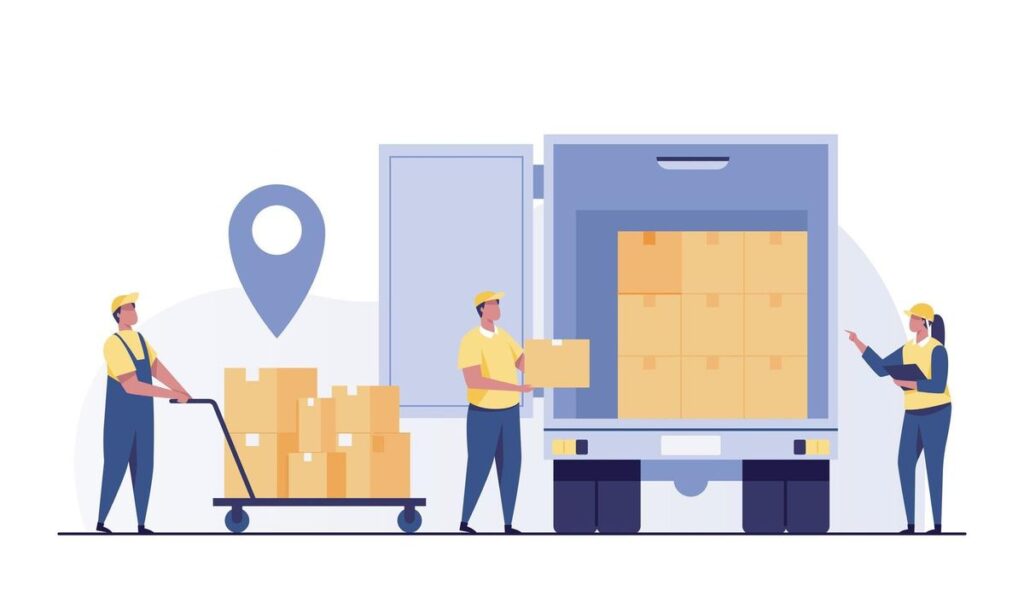
China is the world’s largest exporter, supplying products across every industry. Moreover, importers face challenges such as customs clearance, port delays, and fluctuating container prices. A reliable logistics provider simplifies these processes and ensures timely delivery.
What Shipping Options Are Available for Logistics from China?
| Shipping Method | Average Cost | Transit Time | Best For | Pros | Cons |
|---|---|---|---|---|---|
| Courier Express | $7–$12/kg | 2–5 days | Small parcels, e-commerce | Fast, door-to-door | Expensive |
| Air Freight | $4–$7/kg | 5–10 days | Urgent, high-value goods | Reliable, secure | Higher price |
| Sea Freight (LCL) | $50–$70/CBM | 25–38 days | SMEs, mixed goods | Affordable | Slower |
| FCL (20ft/40ft) | $1,300–$3,200 | 28–40 days | Bulk shipments | Economical per unit | Needs large volume |
| Rail Freight (China–EU) | $2,000–$3,500 | 15–25 days | EU-bound goods | Balanced speed/cost | Limited to Europe |
How Do Container Prices Affect Logistics from China?
| Container Size | Approx. Price (USD) | Capacity | Best Suited For |
|---|---|---|---|
| 20ft Standard | $1,200–$1,800 | ~28 CBM | Heavy but smaller loads |
| 40ft Standard | $1,800–$2,800 | ~58 CBM | Larger, mixed cargo |
| 40ft High Cube | $2,000–$3,200 | ~68 CBM | Voluminous cargo |
| Reefer Container | $2,500–$4,500 | 28–68 CBM | Perishables, pharmaceuticals |
What are you waiting for?
Contact TJ China Freight for a fast, free quote.
Are you ready to book?
Access live instant freight quotes
How Long Does Logistics from China Take by Destination?
| Destination | Sea Freight | Air Freight | Rail Freight |
|---|---|---|---|
| USA (West Coast) | 20–25 days | 5–7 days | N/A |
| USA (East Coast) | 28–35 days | 6–9 days | N/A |
| Europe (Germany) | 25–32 days | 5–8 days | 15–20 days |
| Middle East (Dubai) | 15–22 days | 4–6 days | N/A |
| South Asia (India) | 10–18 days | 4–7 days | N/A |
| Africa (Nigeria) | 30–40 days | 7–10 days | N/A |
What Documents Are Required for Logistics from China?
| Document | Purpose |
|---|---|
| Bill of Lading | Confirms shipment ownership |
| Commercial Invoice | Declares value for customs |
| Packing List | Provides shipment details |
| Certificate of Origin | Determines tariff category |
| Import Licenses | Needed for restricted goods |
| Insurance Certificate | Covers damages or loss |
Should You Choose Sea or Air Freight for Logistics from China?
| Factor | Sea Freight | Air Freight |
|---|---|---|
| Cost | Lowest per unit | Highest per kg |
| Transit Time | 25–40 days | 5–10 days |
| Cargo Size | Bulk, 5+ CBM | 50–500 kg |
| Reliability | High | Very high |
| Best Suited For | Furniture, machinery | Electronics, urgent cargo |
How Do Freight Forwarders Simplify Logistics from China?
- Negotiating lower carrier rates.
- Offering LCL consolidation for SMEs.
- Handling customs clearance at Chinese and destination ports.
- Providing bonded warehousing for flexible storage.
- Offering DDP (Delivered Duty Paid) services for hassle-free import.
What Are the Pros and Cons of Using a Freight Forwarder?
| Pros | Cons |
|---|---|
| Simplifies customs processes | Requires vetting |
| Offers multimodal options | Additional handling fees |
| Reduces logistics costs | Quality varies by provider |
| Provides door-to-door delivery | Dependence on forwarder’s network |
| Supports SMEs with consolidation | Language barriers possible |
How Can SMEs Benefit from Logistics from China?
- Access to LCL shipments instead of paying for FCL.
- Affordable courier solutions for e-commerce sellers.
- Guidance on import duties, VAT, and GST.
- Assistance with Amazon FBA delivery to fulfillment centers.
- Support for seasonal shipping strategies.
What Are the Common Challenges in Logistics from China?
- Port congestion at Shanghai, Shenzhen, Ningbo.
- Seasonal surcharges during holidays.
- Customs delays due to incomplete paperwork.
- Currency fluctuations affecting freight charges.
- Container shortages during high demand seasons.
How to Lower Logistics Costs from China
- Book shipments during off-peak seasons.
- Consolidate orders into full container loads.
- Use rail freight for European destinations.
- Negotiate long-term contracts with forwarders.
- Choose bonded warehouses for customs duty deferral.
Final Thoughts
Managing logistics from China requires careful planning, cost evaluation, and compliance with customs regulations. Sea freight remains the most economical option for bulk shipments, while air freight is ideal for urgent cargo. Additionally, SMEs can benefit from LCL consolidation, warehousing, and forwarder-negotiated rates. By partnering with an experienced freight forwarder, businesses ensure cost-effective, reliable logistics that strengthen their global supply chains.
FAQ
1. Can logistics from China include Amazon FBA deliveries?
Yes. Many forwarders specialize in delivering goods directly to Amazon fulfillment centers worldwide, managing packaging, labeling, and customs.
2. Do logistics costs include customs duties?
No. Duties and taxes are separate, though forwarders provide cost estimates and assistance with compliance.
3. Is air freight reliable for fragile goods?
Yes. Air freight is the most secure method, with better handling and lower risk of damage compared to sea freight.
4. Can SMEs use bonded warehouses in China?
Yes. Bonded warehouses allow SMEs to store goods duty-free until they are shipped, reducing upfront costs.
5. How can I calculate LCL shipping charges?
Charges are based on cargo volume (CBM) or weight, whichever is higher, plus handling and documentation fees.
6. Do logistics providers offer insurance?
Yes. Most provide cargo insurance covering theft, damage, or loss during transit, which is recommended for valuable shipments.