

- By carlie tj
- September 4, 2025
- Logistics Guide
Guangzhou, one of China’s busiest trade hubs, plays a vital role in global logistics. For importers and exporters, choosing the right shipping companies in Guangzhou China ensures timely delivery, cost savings, and reliable supply chain management. At ChinaTopFreight, we provide professional freight forwarding services, including sea, air, and courier shipping, helping businesses navigate customs and avoid unnecessary delays.
1. Why Work with Shipping Companies in Guangzhou China for Global Trade?
Guangzhou is home to the Port of Guangzhou (Nansha Port), one of the world’s largest container ports, and Baiyun International Airport, a major cargo hub. Working with local shipping companies offers importers strong connections with carriers, competitive rates, and familiarity with Chinese customs regulations.
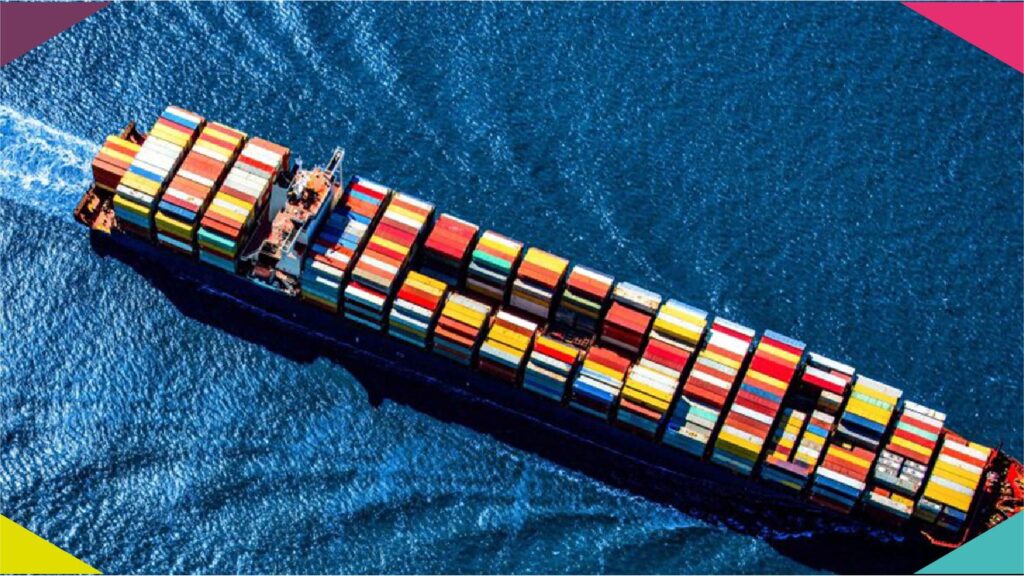
📌2. What Shipping Methods Do Shipping Companies in Guangzhou China Provide?
The choice depends on your budget, urgency, and cargo type.
| Method | Average Cost | Transit Time | Pros | Cons |
|---|---|---|---|---|
| Sea Freight (FCL/LCL) | USD 1,800–3,000 per 40ft | 25–40 days | Cost-effective, large volume capacity | Slower, possible port delays |
| Air Freight | USD 6–9 per kg | 5–8 days | Fast, reliable | High cost, limited by weight/size |
| Express Courier | USD 8–12 per kg | 3–6 days | Convenient for small packages | Expensive for heavy cargo |
3.How Long Does Shipping Take with Shipping Companies in Guangzhou China?
| Destination | Mode | Transit Time |
|---|---|---|
| Guangzhou → Los Angeles | Sea Freight | 28–32 days |
| Guangzhou → Hamburg | Sea Freight | 30–35 days |
| Guangzhou → Dubai | Sea Freight | 18–22 days |
| Guangzhou → New York | Air Freight | 6–8 days |
| Guangzhou → Mexico City | Courier | 4–6 days |
📌 4. How Do Shipping Companies Help Reduce Costs?
By consolidating cargo, negotiating lower rates with carriers, and choosing the best incoterms (FOB, CIF, or DDP), freight forwarders cut costs. Additionally, they provide warehousing and consolidation services, which help importers shipping from multiple suppliers.
5. What Should Importers Consider When Choosing a Shipping Company?
Experience with Guangzhou–global trade lanes
Transparent, all-inclusive quotations
Expertise in customs clearance
Door-to-door services including pickup and delivery
Real-time cargo tracking and customer support
6.What Documents Are Required for Customs Clearance?
Shipping companies in Guangzhou typically prepare:
- Commercial Invoice
- Packing List
- Bill of Lading / Airway Bill
- Certificate of Origin (if applicable)
- HS Codes for classification
- Import/export permits (for restricted goods)
Proper documentation ensures smooth clearance and avoids fines or delays.
7.Conclusion
Selecting reliable shipping companies in Guangzhou China ensures smooth logistics, cost efficiency, and timely delivery. Whether using sea, air, or courier services, forwarders provide end-to-end solutions, from supplier pickup to customs clearance and final delivery. Partnering with experts like ChinaTopFreight allows businesses to streamline imports and exports while minimizing risks.
8. Request a Quote
China Top Freight offers:
- ✅ Origin and Destination Countries
- ✅ Cargo Type and Volume
- ✅ Preferred Transport Method (Air, Sea, Rail, Road)
- ✅ Delivery Timeline
- ✅ Special Handling Requirements (if any)
💬9. FAQ
1. What makes Guangzhou an important shipping hub?
Guangzhou has a major port and international airport, making it one of China’s busiest trade and logistics centers.
2. Which shipping method is best for small businesses?
LCL sea freight is the most economical for small loads, while air freight works best for urgent shipments.
3. How do shipping companies calculate freight charges?
Charges are based on weight, volume, route, and shipping mode, plus handling and customs fees.
4. Can multiple suppliers in Guangzhou be consolidated?
Yes, forwarders combine goods into one container or air shipment, lowering costs and simplifying customs.
5. What are the risks of shipping from Guangzhou?
Risks include port congestion, customs delays, and rate changes; forwarders and insurance help reduce them.