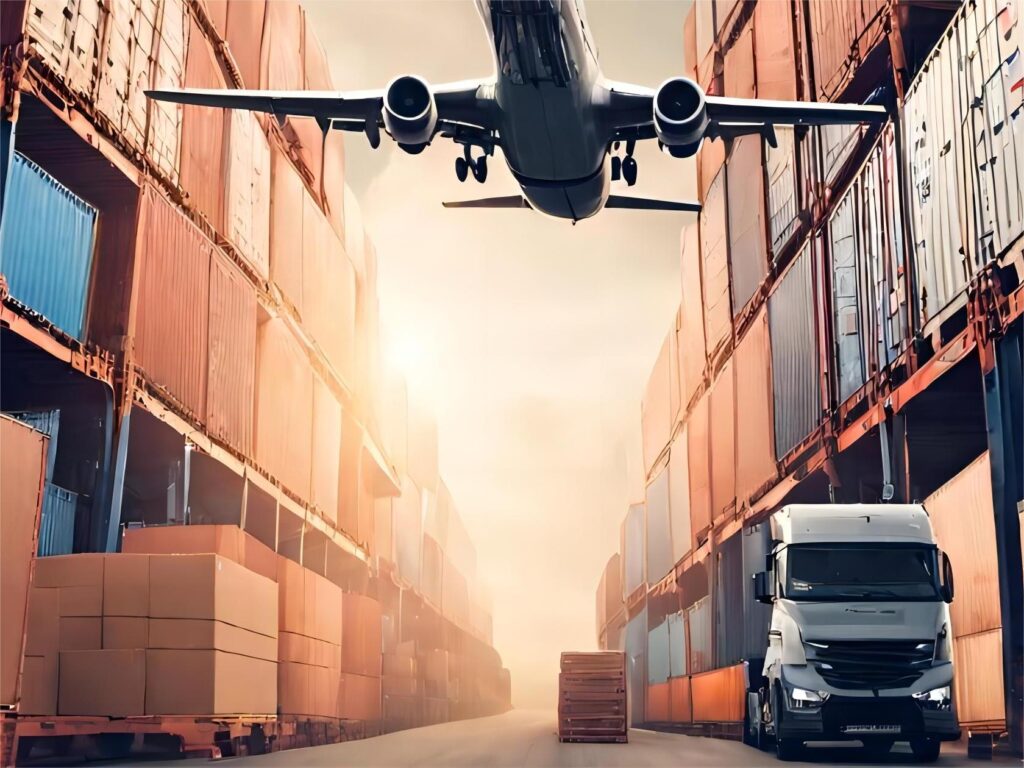
When planning shipping from China to NZ, businesses often face challenges like high freight costs, complex customs regulations, and long transit times. Choosing the right shipping method—sea freight, air freight, or courier—makes a big difference in speed, cost, and reliability. Reliable Chinese freight forwarders help importers simplify logistics while optimizing delivery schedules.
Do Customs Duties Apply When Shipping from China to NZ?
Yes, importers must account for:
Customs duty (varies by product category)
GST (15%) on most imports
Biosecurity checks (strict in NZ)
Key documents include:
Document
Purpose
Commercial Invoice
Declares goods’ value
Bill of Lading/Air Waybill
Proof of shipment
Packing List
Lists all items
Import Declaration
Required by NZ Customs
What Are the Transit Times for Different Shipping Methods?
Shipping Method
Avg. Transit Time
Sea Freight FCL
25–30 days
Sea Freight LCL
28–35 days
Air Freight
5–8 days
Courier Express
3–5 days
Sea vs Air: Which is Better for Your Cargo?
Mode
Pros
Cons
Sea Freight
Low cost, suitable for bulk, eco-friendly
Slower, delays possible
Air Freight
Fast, reliable, lower insurance
Expensive, weight restrictions
Courier
Fastest, door-to-door
High per kg charges
How to Reduce Freight Costs When Importing from China to NZ?
Consolidate smaller shipments into FCL.
Avoid peak season (Chinese New Year, Christmas).
Negotiate long-term rates with freight forwarders.
Use FOB terms to control international freight costs.
Choose the right Incoterms for your supply chain.
Why Work with a Freight Forwarder for China–NZ Trade?
A freight forwarder ensures:
End-to-end logistics solutions
Warehousing & consolidation in China
Transparent freight cost breakdown
Customs clearance support in NZ
Real-time tracking and customer support
Should You Choose DDP Shipping for China to NZ?
Delivered Duty Paid (DDP) allows exporters to handle customs, duties, and delivery. While more convenient, it can be costlier. Importers seeking full control often prefer FOB or CIF terms.
Final Thoughts
The cost of shipping from China to NZ depends on weight, volume, and transport method. Sea freight remains the most economical choice, while air and courier options offer faster delivery. Partnering with a reliable Chinese freight forwarder helps reduce costs, ensure compliance with customs, and streamline your supply chain.
Q1: What is the cheapest shipping method from China to New Zealand?
Sea freight is the cheapest option, especially for bulk or containerized goods. LCL (Less than Container Load) works well for smaller shipments but has longer transit times than FCL.
Q2: Do I need an import license for goods shipped to NZ?
Most goods do not require an import license, but certain restricted items such as food, plants, and chemicals may need permits from New Zealand authorities.
Q3: How do I calculate total landed cost?
Add freight charges, customs duty, GST (15%), insurance, and last-mile delivery fees. A freight forwarder can provide a detailed landed cost estimate before shipment.
Q4: Which Incoterms should I use for imports from China?
FOB is widely recommended as it gives importers control over freight arrangements. CIF and DDP are also common but may cost more depending on the agreement.
Q5: What goods are commonly shipped from China to NZ?
Electronics, clothing, furniture, machinery, and auto parts are the most frequently imported items, alongside consumer products like home appliances and textiles.