

- By kelly
- September 4, 2025
- Logistics Guide
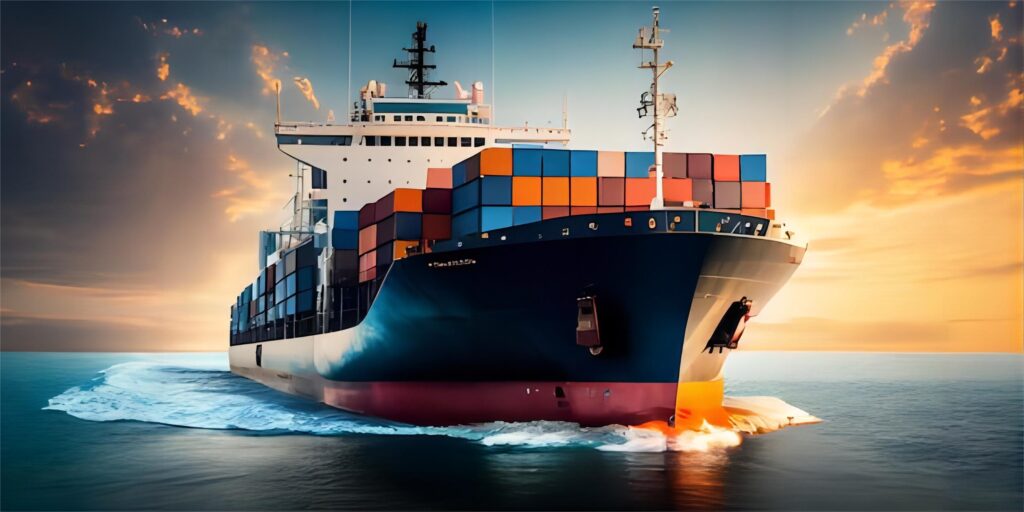
International Shipping from China to Australia – Complete Guide
International shipping from China to Australia is one of the busiest trade routes in the Asia-Pacific region. However, many importers face challenges such as fluctuating freight rates, customs clearance delays, and choosing the right transport mode. This guide breaks down costs, transit times, methods, and documentation to help you ship with confidence.
1. What Are the Main Options for International Shipping from China to Australia?
When importing from China, you can choose sea freight, air freight, express courier, or multimodal solutions. Each method has its own pros and cons, making it essential to evaluate based on your budget, delivery time, and cargo type.
2. How Much Does Shipping from China to Australia Cost?
Freight rates vary depending on cargo size, weight, and shipping method. The following table provides an overview of average costs:
| Shipping Method | Average Cost (USD) | Transit Time | Best For |
|---|---|---|---|
| Sea Freight (FCL 20ft) | $1,100 – $1,600 | 18–25 days | Large shipments |
| Sea Freight (LCL per CBM) | $100 – $150 | 20–28 days | Small businesses |
| Air Freight (per kg) | $5 – $8 | 5–8 days | Urgent cargo |
| Express Courier (per kg) | $8 – $12 | 3–5 days | Parcels & samples |
Note: Rates fluctuate based on fuel surcharges, seasonality, and port congestion.
3. What Is the Transit Time for Shipments from China to Australia?

Transit time depends on the origin port in China and the destination port in Australia.
| Route | Transit Time (Sea Freight) | Transit Time (Air Freight) |
|---|---|---|
| Shanghai – Sydney | 18–22 days | 5–6 days |
| Shenzhen – Melbourne | 20–25 days | 5–7 days |
| Ningbo – Brisbane | 22–26 days | 6–8 days |
Therefore, sea freight is ideal for non-urgent shipments, while air freight is best for high-value or time-sensitive cargo.
4. Which Documents Are Required for Importing from China to Australia?
To clear customs successfully, ensure you prepare these key documents:
| Document | Purpose |
|---|---|
| Commercial Invoice | Proof of sale, item value |
| Packing List | Cargo details & packaging |
| Bill of Lading / Air Waybill | Transport contract |
| Import Declaration | Customs clearance |
| Certificate of Origin | Verify product origin |
Without the correct paperwork, shipments may face delays or penalties.
5. Should You Choose FCL or LCL Shipping?
- FCL (Full Container Load):
Ideal for large shipments. You get the whole container, which reduces handling risk. - LCL (Less than Container Load):
Suitable for small to medium shipments. However, cargo consolidation may add extra days to transit.
6. What Are the Pros and Cons of Air vs. Sea Freight?
| Factor | Sea Freight | Air Freight |
|---|---|---|
| Cost | Low for bulk cargo | Higher per kg |
| Speed | 18–30 days | 3–7 days |
| Capacity | Suitable for heavy loads | Limited by weight/volume |
| Environmental Impact | More eco-friendly | Higher emissions |
Therefore, if time is critical, choose air freight; but for bulk and cost savings, sea freight is best.

7. How Does Customs Duty Work in Australia?
8. What Is the Role of a Freight Forwarder?
A freight forwarder helps streamline the shipping process by:
- Booking containers or air cargo space
- Handling customs paperwork
- Providing warehousing and consolidation services
- Offering door-to-door delivery solutions
Choosing the right forwarder ensures your shipments arrive on time and within budget.
9. How to Reduce International Shipping Costs from China to Australia?
- Book in advance to avoid peak surcharges.
- Use FCL if your cargo fills most of a container.
- Compare carriers and forwarder quotes.
- Consolidate multiple shipments into one.
- Ensure accurate documentation to avoid customs fines.
10. Can You Ship Restricted Goods to Australia?
Yes, but with limitations. Certain products such as food, chemicals, and electronics may require additional permits from the Australian Border Force (ABF) or Department of Agriculture, Fisheries and Forestry (DAFF). Always confirm import restrictions before shipping.
📦Get a Free Quote
Therefore, international shipping from China to Australia can be simplified with the right partner who understands customs, freight pricing, and delivery options. Whether you choose sea or air freight, careful planning ensures smooth import operations.
❓ Frequently Asked Questions
1. How long does international shipping from China to Australia take?
Sea freight takes around 18–28 days, while air freight usually arrives within 5–8 days depending on route and carrier.
2. What is the cheapest way to ship goods from China to Australia?
Sea freight (FCL or LCL) is the most economical option for bulk shipments, although it takes longer than air freight.
3. Do I need a freight forwarder for shipping from China to Australia?
Yes, a forwarder simplifies the process by handling customs clearance, freight booking, and door-to-door delivery.
4. What taxes apply to imports from China to Australia?
Generally, a 5% duty and 10% GST are charged, although Free Trade Agreements may reduce or eliminate duties.
5. Which ports are most common for China–Australia trade?
Shanghai, Ningbo, and Shenzhen are popular in China, while Sydney, Melbourne, and Brisbane are key Australian ports.
Conclusion
International shipping from China to Australia involves several factors—cost, transit time, documentation, and customs clearance. By comparing sea, air, and courier services, businesses can find the best balance between price and speed. Partnering with an experienced freight forwarder ensures smooth logistics and reliable delivery.