

- By ayla tj
- September 5, 2025
- Logistics Guide
When businesses calculate China container shipping rates, they often struggle with fluctuating costs, variable transit times, and complex customs procedures. However, with the right freight forwarder and clear insights into container pricing, importers can make cost-effective and timely shipping decisions. From FCL to LCL, sea to air freight, understanding the numbers helps you avoid surprises.
What Determines China Container Shipping Rates?
- Container size (20ft vs 40ft) – Larger containers offer better value per CBM.
- Route and distance – Shipping to Europe or the U.S. varies in price and time.
- Fuel and surcharges – Fluctuating bunker fuel prices affect freight charges.
- Seasonal demand – Chinese New Year and holiday peaks raise rates.
- Port congestion – Delays at Shanghai, Ningbo, or Los Angeles increase costs.
How Much Does a Container Cost from China?
| Container Type | Average Cost (USD) | Best For | Transit Time |
|---|---|---|---|
| 20ft FCL | $2,100 – $3,500 | Small to mid-size bulk | 28–40 days |
| 40ft FCL | $3,800 – $6,500 | Large shipments | 28–40 days |
| 40ft HC | $4,200 – $6,900 | Oversized cargo | 28–40 days |
| LCL (per CBM) | $60 – $85 | Small shipments <15 CBM | 32–45 days |
Which Shipping Methods Are Available?
| Mode | Cost | Transit Time | Pros | Cons |
|---|---|---|---|---|
| Sea Freight (FCL/LCL) | Low | 28–45 days | Economical, scalable | Slowest option |
| Air Freight | High | 5–10 days | Fast & reliable | Expensive |
| Rail Freight | Medium | 18–25 days | Faster than sea, greener | Limited service |
| Courier/Express | Highest | 4–7 days | Door-to-door | Costly for >100kg |
Should You Choose FCL or LCL?
FCL (Full Container Load):
- Best for volumes over 15–20 CBM.
- Lower risk of damage, faster clearance.
LCL (Less than Container Load):
- Suited for smaller shipments.
- Cost-effective but slower due to consolidation.
How Do China Container Shipping Rates Vary by Destination?
| Destination | 20ft FCL | 40ft FCL | Transit Time |
|---|---|---|---|
| USA (West Coast) | $2,300 – $3,600 | $4,200 – $6,200 | 15–22 days |
| USA (East Coast) | $3,000 – $4,800 | $5,500 – $7,900 | 28–35 days |
| Europe (Rotterdam) | $2,500 – $4,000 | $4,600 – $7,200 | 30–40 days |
| Australia (Sydney) | $2,200 – $3,700 | $4,000 – $6,300 | 20–28 days |
| Middle East (Dubai) | $1,800 – $3,200 | $3,300 – $5,600 | 18–25 days |
What are you waiting for?
Contact TJ China Freight for a fast, free quote.
Are you ready to book?
Access live instant freight quotes
What Customs Documents Are Needed?
| Document | Purpose |
|---|---|
| Bill of Lading | Proof of shipment |
| Commercial Invoice | Declares value |
| Packing List | Shipment details |
| Certificate of Origin | Required for tariff classification |
| Import Declaration | Submitted to customs |
| Compliance Certificates | Needed for electronics, toys, etc. |
How to Compare Air vs Sea Freight Costs?
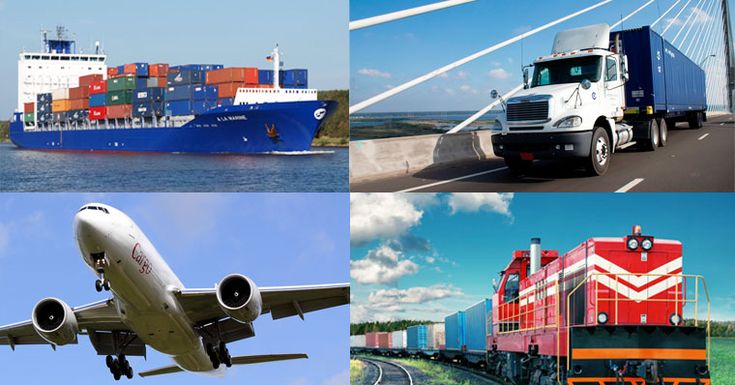
| Factor | Sea Freight | Air Freight |
|---|---|---|
| Cost | $2,500–$6,000 per container | $6–$12 per kg |
| Speed | 28–40 days | 5–10 days |
| Best For | Heavy, bulk cargo | Urgent, light shipments |
| Pros | Economical, scalable | Fastest delivery |
| Cons | Long transit | Expensive |
Can Rail Freight Be a Good Alternative?
Yes, China–Europe rail freight is gaining popularity. It takes 18–25 days, costs less than air but more than sea, and offers eco-friendly transport. Routes often pass through Xi’an, Chongqing, or Chengdu to major EU cities.
What Are the Pros and Cons of Different Freight Modes?
| Mode | Pros | Cons |
|---|---|---|
| Sea | Cheapest for volume | Long transit |
| Air | Fastest | Expensive |
| Rail | Balanced time & cost | Limited routes |
| Courier | Simple & fast | Very costly |
How Can Importers Reduce Container Shipping Costs?
- Book in advance to lock lower rates.
- Ship during off-peak months to avoid surcharges.
- Consolidate cargo to fill an FCL.
- Compare quotes from multiple forwarders.
- Use long-term contracts with carriers.
Final Thoughts
Understanding china container shipping rates is vital for importers seeking to manage costs, delivery times, and customs requirements effectively. Sea freight remains the most economical for bulk cargo, while air offers speed, and rail balances both. With the right strategy, forwarders, and planning, businesses can secure lower rates, reduce risks, and ensure timely deliveries.
FAQ
Q1: Why are container rates from China so volatile?
Rates fluctuate due to global fuel prices, shipping demand, and carrier capacity. Seasonal peaks like Christmas and Chinese New Year also push costs higher.
Q2: Is there a difference between a 40ft and 40ft HC container?
Yes, a 40ft HC (high cube) container offers an additional foot in height, allowing more cargo capacity, especially for light but bulky goods.
Q3: Can I track my container shipment from China?
Yes, most carriers and forwarders provide online tracking tools that show container location, estimated arrival date, and customs status updates.
Q4: How do Incoterms affect container shipping rates?
Incoterms define who pays for freight, insurance, and customs. Terms like FOB or CIF significantly influence the total cost for importers.
Q5: What happens if my container is delayed at port?
Delays may result in demurrage or storage fees. Working with an experienced forwarder helps avoid such charges through proactive customs clearance.