Why Is Shiping from China So Important for Global Trade?
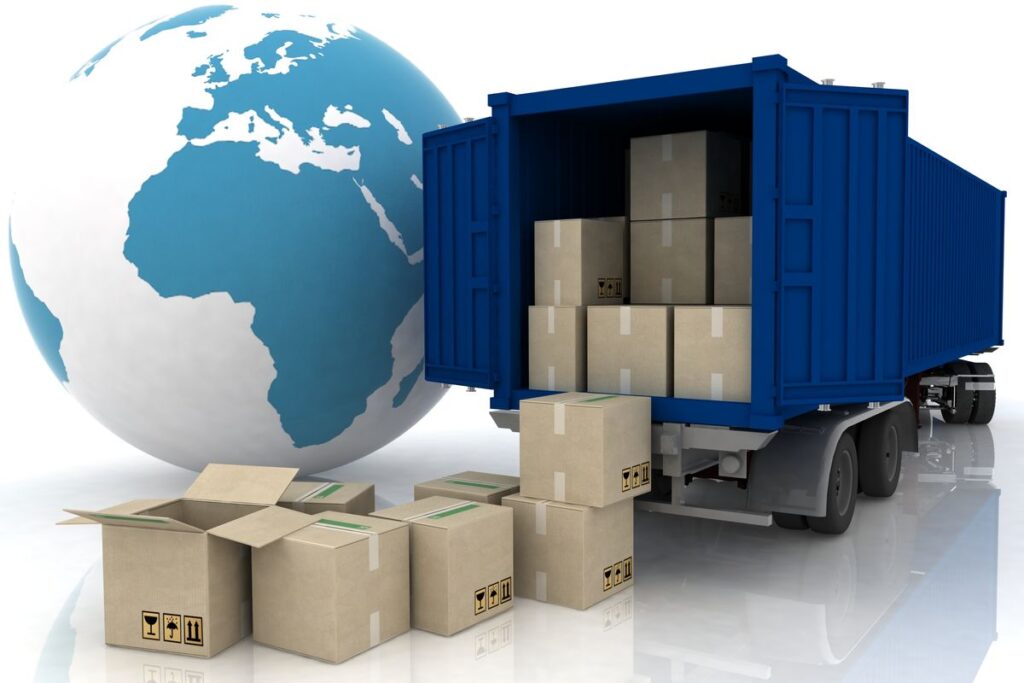
China is the world’s largest exporter, supplying electronics, textiles, machinery, and consumer goods. Therefore, understanding freight options is vital to remain competitive in international markets.
FCL (Full Container Load): Cheaper per unit, safer, faster handling.
LCL (Less than Container Load): Flexible for small shipments, but longer consolidation times.
How Do Incoterms Impact Shiping from China?
FOB (Free on Board): Buyer arranges freight.
CIF (Cost, Insurance & Freight): Seller covers freight and insurance.
DDP (Delivered Duty Paid): Simplifies logistics, but higher costs.
Pros and Cons of Sea Freight vs Rail Freight
Option
Pros
Cons
Sea Freight
Global coverage, cheapest
Slower
Rail Freight
Faster than sea, eco-friendly
Limited routes, higher costs
Example: Real Cost Breakdown
Shipment: 1 × 40ft container, Shenzhen → Los Angeles
Freight Rate: $4,900
Port Charges: $250
Insurance: $100
Customs & ISF: $120
Total Landed Cost: $5,370
Final Thoughts
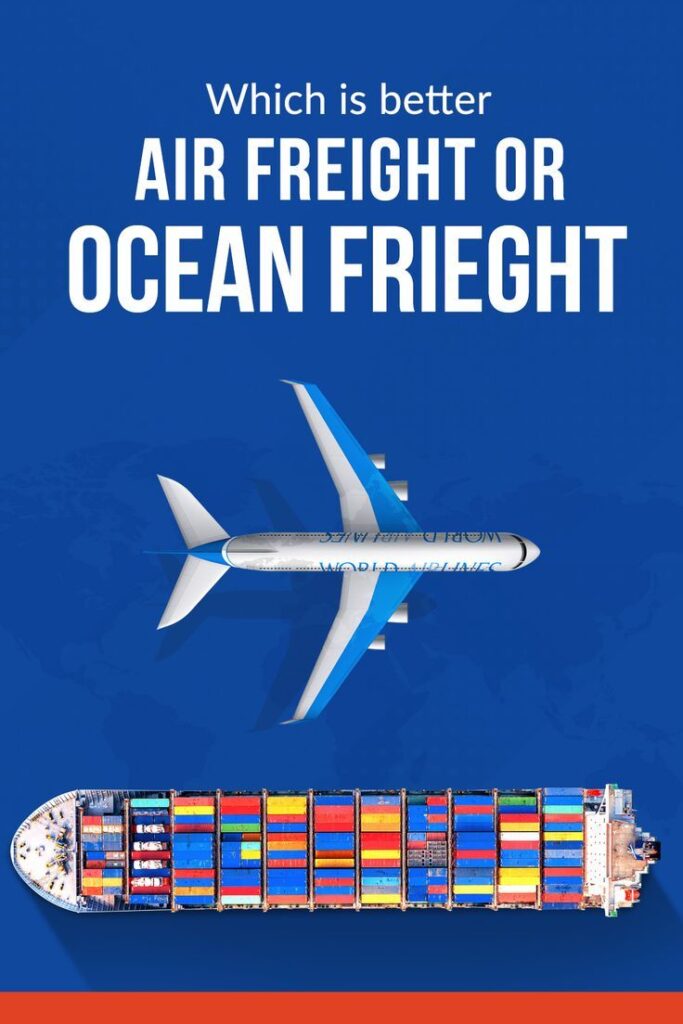
In conclusion, shiping from China requires careful planning, cost comparisons, and compliance with customs. Sea freight remains the cheapest option for bulk cargo, while air and courier services serve urgent or smaller shipments. By working with reliable Chinese freight forwarders, importers can reduce expenses, avoid delays, and maintain a strong supply chain in 2025 and beyond.
1. Can small businesses use sea freight from China?
Yes, LCL options allow small companies to ship cost-effectively by sharing container space and paying only for used capacity.
2. Do freight forwarders provide tracking services?
Yes, most forwarders offer online tracking, letting importers monitor cargo from the Chinese port of loading to final destination arrival.
3. Are customs clearance fees included in shipping quotes?
Usually no, shipping quotes cover transport only. Importers must pay duties, taxes, and clearance fees separately depending on destination regulations.
4. Can courier services handle e-commerce orders?
Yes, couriers like DHL and FedEx are ideal for small parcels, offering fast, door-to-door delivery with customs handling included.
5. How do holidays affect shiping from China?
Chinese New Year and Golden Week significantly increase demand, raising rates and extending lead times. Booking early helps avoid delays.