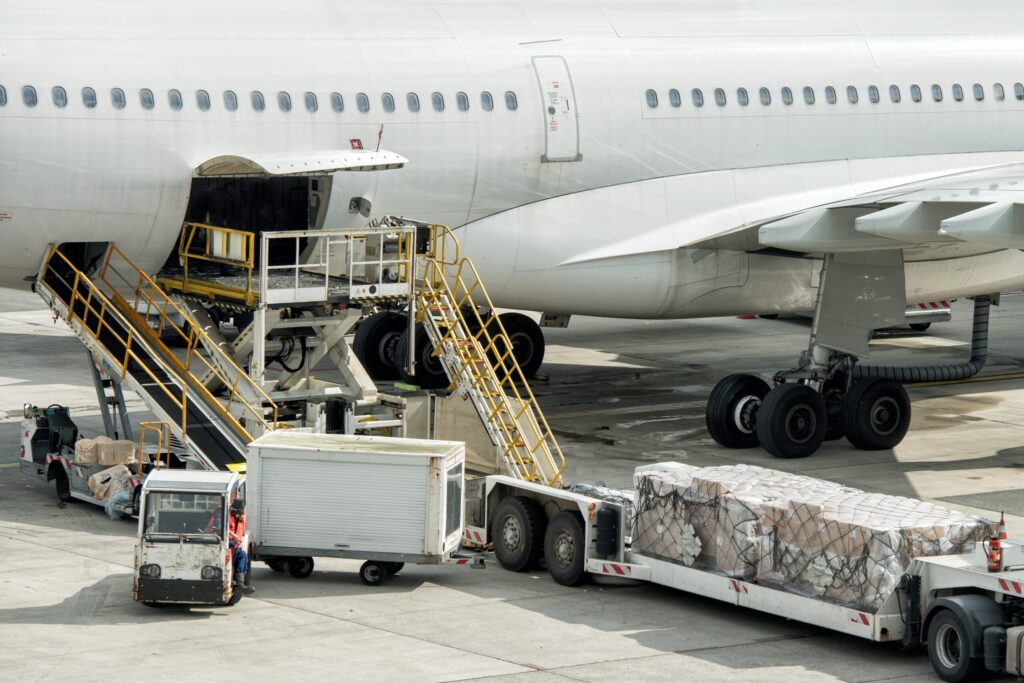
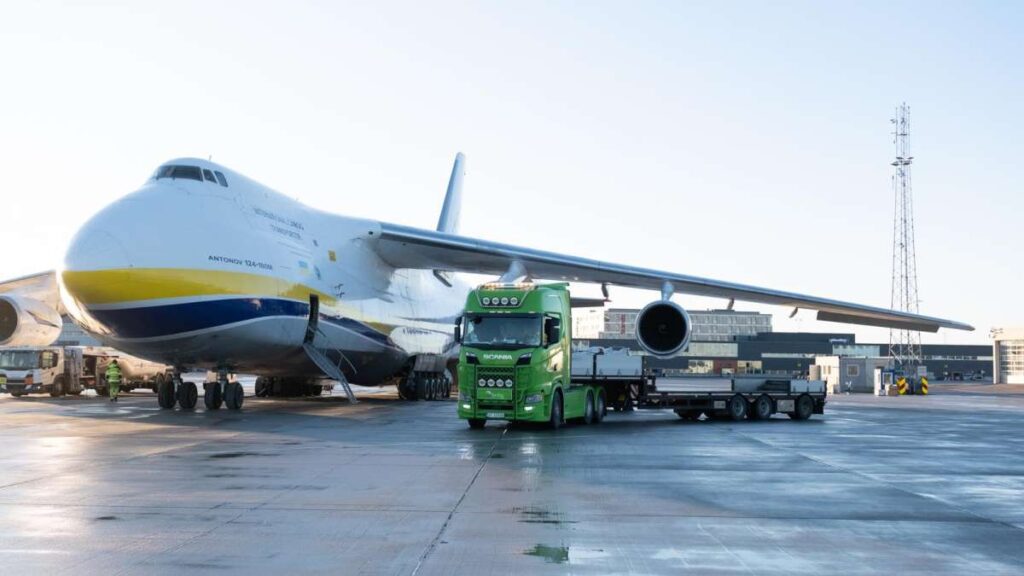
For importers and e-commerce sellers, knowing the air freight charges from China to Malaysia is vital for competitive pricing and efficient delivery. Freight forwarders provide sea freight, courier, and air freight services, ensuring reliable transit and simplified customs processes.
1. Why Consider Air Freight for China–Malaysia Trade?
Air freight is the fastest way to move cargo between China and Malaysia. Although costs are higher compared to sea freight, businesses prefer it for urgent shipments like electronics, fashion, and pharmaceuticals.
2. How Much Are Air Freight Charges from China to Malaysia?
Cargo Type
Cost per kg (USD)
Transit Time
Best For
General Cargo
$5–$7
3–5 days
Electronics, garments
Express Courier
$8–$12
2–4 days
E-commerce parcels
Special Cargo
$9–$15
4–6 days
Pharma, chemicals
Economy Air Freight
$4–$6
5–8 days
Non-urgent items
3. How Long Does Air Freight from China to Malaysia Take?
Cargo weight and dimensions (volumetric vs actual weight).
Type of goods (general vs hazardous).
Seasonal demand (Chinese New Year, holiday peaks).
Fuel surcharges.
Customs clearance delays.
5. Air Freight vs Sea Freight vs Rail Freight
Method
Average Cost
Transit Time
Pros
Cons
Air Freight
$5–$12/kg
3–6 days
Fast, secure
Expensive
Sea Freight
$2,500–$5,000/container
10–18 days
Cheapest bulk
Slow
Rail Freight
Not available direct
–
–
–
6. What Documents Are Required for Air Freight?
Document
Purpose
Air Waybill (AWB)
Proof of shipment
Commercial Invoice
Declares value
Packing List
Details cargo contents
Import Permit
For regulated items
Customs Declaration
Clearance requirement
7. Should You Use Courier or Standard Air Freight?
Courier (DHL, UPS, FedEx): Best for small parcels and online sellers.
Standard Air Freight: Cost-effective for medium to large shipments.
8. How to Reduce Air Freight Charges from China to Malaysia?
Consolidate shipments through freight forwarders.
Book early to avoid peak-season price hikes.
Optimize packaging to reduce volumetric weight.
Compare different airlines and service classes.
9. Pros and Cons of Air Freight China–Malaysia
Pros
Cons
Fastest transit times
Higher cost
Reliable schedules
Weight restrictions
Safer for fragile goods
Sensitive to fuel prices
Global connectivity
Not ideal for bulk cargo
10. Real Shipment Example: Cost Breakdown
Cargo: 200 kg of apparel from Shenzhen → Kuala Lumpur
Freight Rate: $5.5/kg = $1,100
Fuel Surcharge: $90
Insurance: $40
Customs Clearance: $60
Total Cost: $1,290
Final Thoughts
In summary, air freight charges from China to Malaysia average between $5 and $12 per kilogram, depending on cargo type, airline, and service level. Although more expensive than sea freight, air cargo provides unmatched speed and reliability. By consolidating shipments, booking early, and partnering with experienced freight forwarders, businesses can reduce costs and ensure timely deliveries.