

- By ayla tj
- September 9, 2025
- Logistics Guide
Sea freight shipping from China remains the backbone of global trade for businesses importing large volumes of goods. It provides affordable solutions compared to air freight while allowing companies to optimize logistics with reliable Chinese freight forwarders. Whether you’re shipping full containers or less-than-container loads, choosing the right strategy is essential for balancing costs and transit times.
What Is Sea Freight Shipping from China?
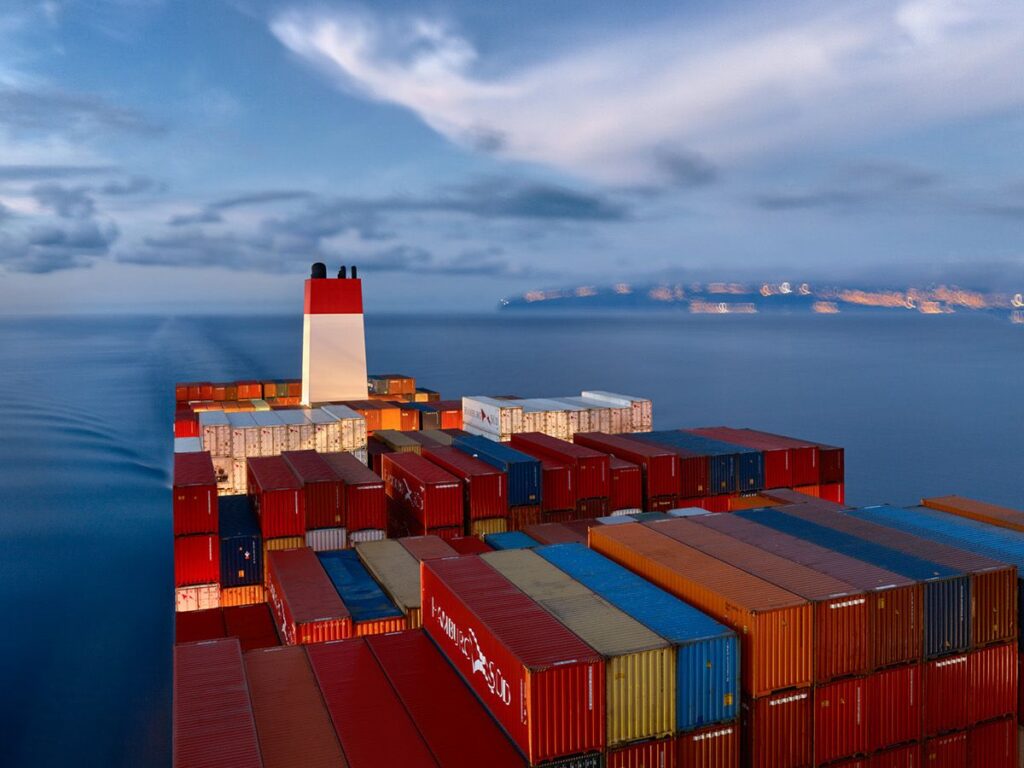
Sea freight is the transportation of goods by ocean vessel, usually in shipping containers. Importers often choose this method because it is far more economical for bulk cargo compared to air freight.
- Full Container Load (FCL): A single shipper’s goods occupy an entire container.
- Less than Container Load (LCL): Cargo is consolidated with shipments from other businesses.
Why Choose Sea Freight Instead of Air Freight?
Sea freight is not always the fastest, but it is significantly cheaper for high-volume shipments.
| Shipping Method | Cost (per kg) | Average Transit Time | Best for |
|---|---|---|---|
| Sea Freight | $0.50–$2.00 | 25–40 days | Bulk cargo, large volumes |
| Air Freight | $4–$8 | 5–10 days | Urgent, lightweight goods |
| Courier (Express) | $6–$12 | 3–7 days | Samples, small parcels |
How Much Does Sea Freight from China Cost?
Costs depend on multiple factors:
- Container type (20ft, 40ft, or high cube)
- Destination port and distance
- Peak season surcharges
- Bunker adjustment factor (fuel costs)
Average Container Rates (China → Major Destinations):
| Destination Port | 20ft Container | 40ft Container | Transit Time |
|---|---|---|---|
| Los Angeles, USA | $2,000–$3,000 | $3,800–$5,200 | 18–25 days |
| Hamburg, Germany | $1,800–$2,700 | $3,500–$4,800 | 28–35 days |
| Durban, South Africa | $2,200–$3,400 | $4,000–$5,600 | 30–40 days |
| Santos, Brazil | $2,600–$3,800 | $4,800–$6,200 | 35–45 days |
What are you waiting for?
Contact TJ China Freight for a fast, free quote.
Are you ready to book?
Access live instant freight quotes
Which Incoterms Should You Use?
Incoterms define responsibilities between buyers and sellers. Common options include:
- FOB (Free on Board): Seller handles transport until goods are loaded on the vessel.
- CIF (Cost, Insurance, and Freight): Seller covers sea freight and insurance until the destination port.
- DDP (Delivered Duty Paid): Seller manages the entire shipping process including customs clearance and final delivery.
What Are the Main Shipping Routes from China?
China’s major ports connect globally:
- Shanghai: Largest port worldwide, handling FCL and LCL cargo.
- Shenzhen: Preferred for electronics and e-commerce products.
- Guangzhou: Strategic for South China exports.
- Ningbo: Strong links to Europe and Middle East markets.
Transit times vary by route.
| Route | Transit Time | Notes |
|---|---|---|
| China → US West Coast | 18–25 days | Faster but high demand |
| China → US East Coast | 30–40 days | Usually via Panama Canal |
| China → Europe (North) | 28–35 days | Key route for industrial goods |
| China → Africa | 30–40 days | Higher costs due to distance |
What Documents Are Required for Sea Freight?
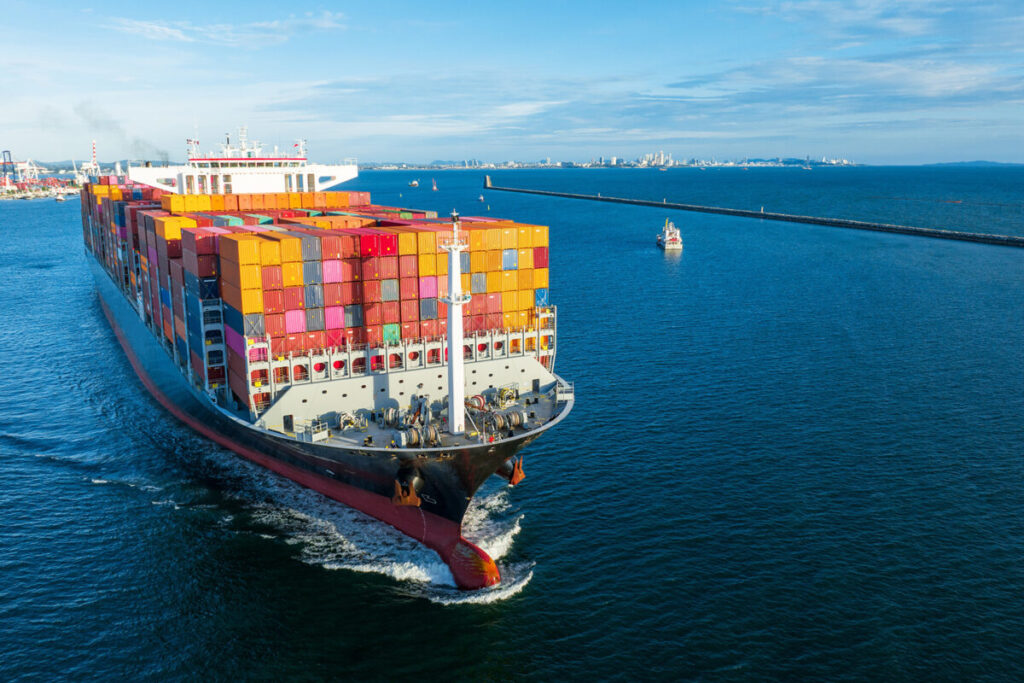
Accurate paperwork is crucial to avoid delays. Essential documents include:
| Document | Purpose |
|---|---|
| Bill of Lading (B/L) | Contract and receipt of goods |
| Commercial Invoice | Declares value of goods |
| Packing List | Details contents of shipment |
| Certificate of Origin | Confirms where goods were produced |
| Import Licenses | Required for restricted items |
Should You Choose FCL or LCL?
- FCL Pros: Lower cost per unit, faster handling, less risk of damage.
- FCL Cons: Higher upfront cost if you don’t fill the container.
- LCL Pros: Flexible for small shipments, cheaper if volume is low.
- LCL Cons: Longer transit times due to consolidation, higher handling fees.
How Do Customs and Duties Affect Shipping?
Every country applies tariffs and import taxes. Importers should:
- Check HS codes for accurate classification.
- Calculate VAT, customs duties, and local taxes.
- Prepare for potential inspections.
Failure to comply can lead to delays, fines, or cargo confiscation.
Sea Freight vs Rail Freight: Which to Choose?
For trade between China and Europe, rail freight is emerging as a middle ground.
| Factor | Sea Freight | Rail Freight |
|---|---|---|
| Transit Time | 28–35 days | 18–22 days |
| Cost | Lower | Higher (30–50% more) |
| Best Use | Heavy goods, low urgency | Mid-volume goods needing faster delivery |
How to Find a Reliable Freight Forwarder in China?
A good freight forwarder helps you:
- Negotiate competitive rates
- Handle customs clearance
- Arrange cargo insurance
- Track shipments with digital updates
Look for companies with proven networks in both China and your destination country.
Final Thoughts
Sea freight shipping from China offers businesses the most cost-efficient method for transporting goods globally. By understanding container pricing, customs documents, and the pros and cons of FCL versus LCL, importers can make smarter logistics decisions. With the support of an experienced Chinese freight forwarder, you can secure reliable schedules, lower shipping costs, and streamline your supply chain effectively.
FAQ
1. Can small businesses use sea freight effectively?
Yes, by booking LCL shipments, small businesses can consolidate cargo and reduce costs while still benefiting from reliable schedules and professional freight services.
2. What hidden costs should I watch out for?
Common hidden charges include terminal handling fees, documentation charges, customs inspection fees, and demurrage if containers are not picked up on time.
3. Do peak seasons affect sea freight prices?
Absolutely. During holidays like Chinese New Year or Christmas, demand surges, rates increase, and transit times may lengthen significantly due to congestion.
4. How do I reduce risks of cargo damage?
Use proper packaging, book FCL when possible, and add cargo insurance. Forwarders also recommend container fumigation for sensitive goods.
5. Are sea freight schedules reliable?
Schedules can shift due to port congestion, weather, or carrier changes. Reliable forwarders update clients regularly and adjust bookings as needed.