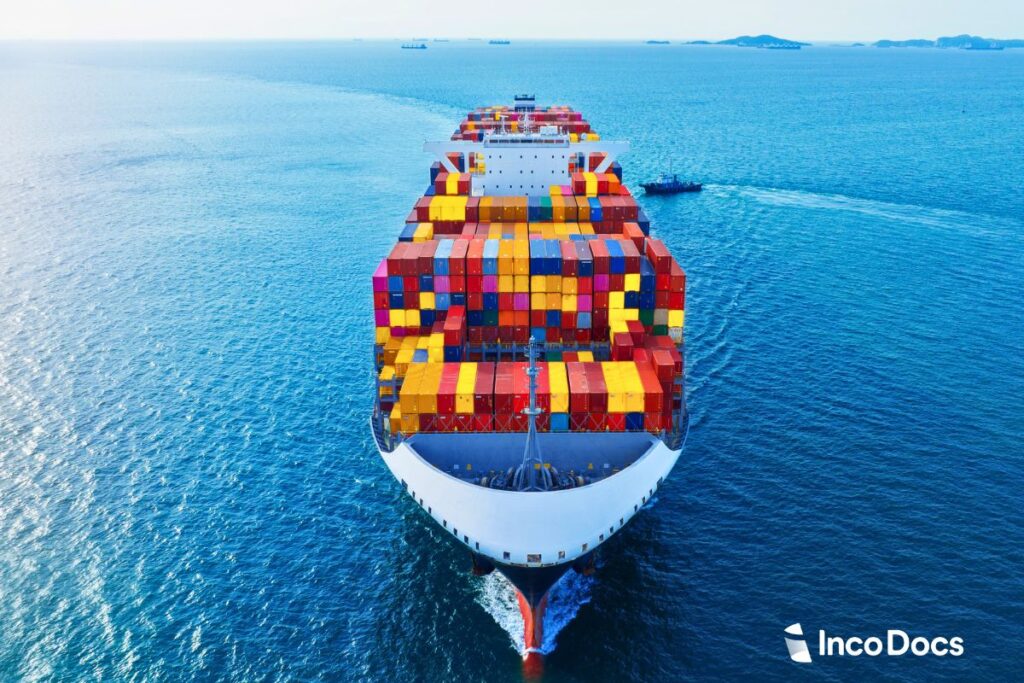
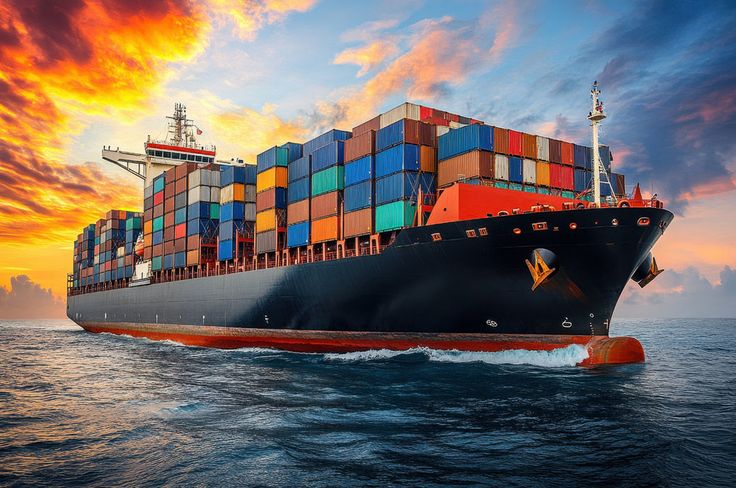
Freight from China to Italy is a vital link in international trade, connecting Europe’s major markets with the world’s largest manufacturing hub. However, transit times, customs clearance, and costs can be complex. That’s why working with reliable freight forwarders in China who offer sea freight, air freight, and rail solutions ensures smooth deliveries while keeping your supply chain efficient and cost-effective.

How Long Does Freight from China to Italy Take?

freight from china to italy

Transit time depends on mode of transport:

  • Sea freight: 25–35 days on average
  • Air freight: 3–7 days for urgent cargo
  • Rail freight: 18–22 days via China–Europe rail corridors

What Shipping Routes Are Common Between China and Italy?

Origin Port in ChinaItalian PortTransit Time (Sea)
ShanghaiGenoa28–32 days
NingboVenice27–30 days
ShenzhenTrieste25–28 days
QingdaoLivorno30–35 days

What Are the Main Shipping Methods for Freight from China to Italy?

MethodTransit TimeAverage CostProsCons
Sea Freight25–35 days$2,000–$5,000/FCLCheapest per unit, handles bulkSlow transit
Air Freight3–7 days$5–$10/kgFast, reliableExpensive
Rail Freight18–22 days$6,000–$8,000/FCLBalanced speed and costLimited routes

How Much Does Freight from China to Italy Cost?

Container TypeAverage Cost (USD)Transit TimeBest For
20ft FCL$2,000–$3,00025–30 daysSmall-medium shipments
40ft FCL$3,500–$5,00025–30 daysLarge-volume cargo
LCL$100–$150/CBM30–35 daysSMEs with small cargo

What are you waiting for?

Contact TJ China Freight for a fast, free quote.

Β  Are you ready to book?

Β  Β  Access live instant freight quotes

What Customs Documents Are Needed for Italy Imports?

DocumentPurpose
Commercial InvoiceDeclares cargo value
Packing ListDetails contents
Bill of Lading (B/L)Proof of carriage contract
Certificate of OriginVerifies source
Import LicensesRequired for restricted goods

Accurate documentation reduces clearance time and avoids penalties.

What Factors Influence Freight from China to Italy Transit and Cost?

china to australia freight
  • Cargo volume and weight
  • Mode of transport (air, sea, rail)
  • Seasonal demand (pre-holiday surges, Chinese New Year)
  • Fuel surcharges and global market conditions
  • Port congestion and customs inspections

FCL vs LCL: Which Option is Better for Freight from China to Italy?

OptionSpeedCost EfficiencyBest For
FCLFasterMore economical for bulk cargoLarge orders
LCLSlowerLower upfront cost for small loadsSmall businesses

How Do Incoterms Affect Freight from China to Italy?

  • FOB (Free on Board): Buyer manages shipping, more control.
  • CIF (Cost, Insurance, Freight): Seller covers freight to Italian port.
  • DDP (Delivered Duty Paid): Seller manages entire delivery, including customs and duties.

Pros and Cons of Freight Options

ModeProsCons
Sea FreightLowest per-unit cost, bulk capacityLongest transit time
Air FreightFastest delivery, high reliabilityMost expensive
Rail FreightBalanced time/cost, eco-friendlyLimited coverage

Which Industries Rely Most on Freight from China to Italy?

  • Fashion & apparel: Bulk textiles and garments
  • Furniture & home goods: Bulky items requiring containers
  • Automotive parts: Regular, time-sensitive deliveries
  • Electronics: High-value goods often shipped by air

Current Trends in Freight from China to Italy

  • Digital freight platforms enabling real-time tracking
  • Eco-friendly logistics with growing rail usage
  • Dynamic freight rates influenced by fuel costs
  • Expanded shipping alliances offering faster routes

Final Thoughts

Freight from China to Italy typically takes 25–35 days by sea, 3–7 days by air, and around 20 days by rail. Each option offers unique advantages based on cargo size, urgency, and budget. By booking early, preparing complete documents, and working with professional freight forwarders, importers can ensure smooth deliveries, avoid costly delays, and optimize their supply chain.

FAQ

1. How early should I book freight from China to Italy?

It’s best to book 3–4 weeks before departure, especially during peak seasons, to secure container space and avoid costly delays caused by port congestion.

No, duties and VAT are separate from freight charges. Importers must calculate them based on Italian customs regulations and factor them into total landed costs.

Yes, LCL options allow small businesses to share container space with others, making sea freight accessible and cost-effective without needing a full container.

Major ports include Genoa, Venice, Trieste, and Livorno. These ports offer container handling, customs services, and connections to inland distribution networks across Italy.

Air freight is the fastest, taking 3–7 days. Although costly, it ensures high-value or time-sensitive shipments arrive quickly without risking delays at sea ports


Post a Comment