

- By kelly
- September 10, 2025
- Logistics Guide
Freight in China: Complete 2025 Guide for Importers and Exporters
Managing freight in China is crucial for global trade since the country remains the world’s largest exporter. Importers and exporters face challenges such as rising freight costs, transit delays, customs clearance, and capacity shortages. However, understanding freight methods, costs, and logistics strategies ensures smooth international shipping. This comprehensive guide explores sea, air, rail, and courier freight from China, customs requirements, and cost optimization tips.
1. What Does Freight in China Include?
Freight in China covers all logistics services that move goods domestically and internationally:
- Sea freight for bulk cargo and containers.
- Air freight for urgent and high-value goods.
- Rail freight via the China–Europe network.
- Courier services for small parcels and e-commerce.
- Domestic trucking linking ports and factories.
Therefore, freight encompasses end-to-end solutions from factory pickup to final delivery.
2. What Factors Influence Freight Costs in China?
Several variables affect pricing:
- Shipping method (sea, air, rail, courier)
- Container size (20ft, 40ft, LCL)
- Cargo weight and volume
- Destination country and port congestion
- Fuel surcharges and peak season demand
- Customs duties, VAT, and handling fees
Thus, freight forwarders often recommend calculating landed cost instead of focusing only on freight charges.
3. How Much Does Sea Freight Cost from China?
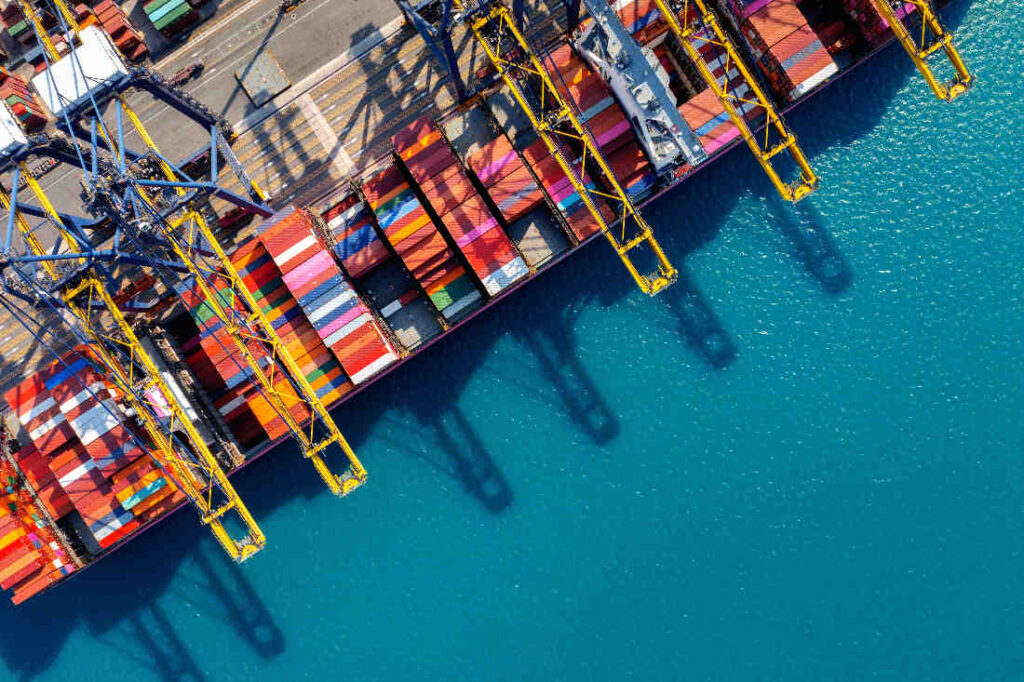
Sea freight remains the most affordable method for large volumes.
| Container Type | Average Price (USD) | Notes |
|---|---|---|
| 20ft FCL | $1,800 – $2,500 | Suitable for medium loads |
| 40ft FCL | $3,000 – $4,500 | Cost-effective per CBM |
| LCL (per CBM) | $90 – $150 | Flexible for SMEs |
Moreover, FCL offers better security, while LCL is more convenient for small shipments.
4. How Much Does Air Freight Cost from China?
Air freight provides speed but comes at a higher price.
| Weight | Average Rate (USD) | Transit Time |
|---|---|---|
| 100 kg | $500 – $700 | 3–5 days |
| 300 kg | $1,400 – $1,800 | 4–6 days |
| 500 kg | $2,500 – $3,200 | 5–7 days |
Therefore, air freight is ideal for electronics, fashion, and time-sensitive products.
5. How Much Does Rail Freight from China to Europe Cost?
The China–Europe Railway is gaining popularity.
| Container Type | Average Price (USD) | Transit Time |
|---|---|---|
| 20ft FCL | $4,500 – $5,500 | 18–22 days |
| 40ft FCL | $7,000 – $8,500 | 20–25 days |
| LCL (per CBM) | $250 – $350 | 20–25 days |
Additionally, rail freight is greener and faster than sea, though more expensive.
6. How Long Does Freight from China Take?
| Method | Transit Time |
|---|---|
| Sea Freight | 25–40 days |
| Rail Freight (to Europe) | 18–25 days |
| Air Freight | 3–7 days |
| Express Courier | 2–5 days |
Transit times depend on route, customs, and seasonal conditions.
7. What Are the Major Ports and Airports in China?
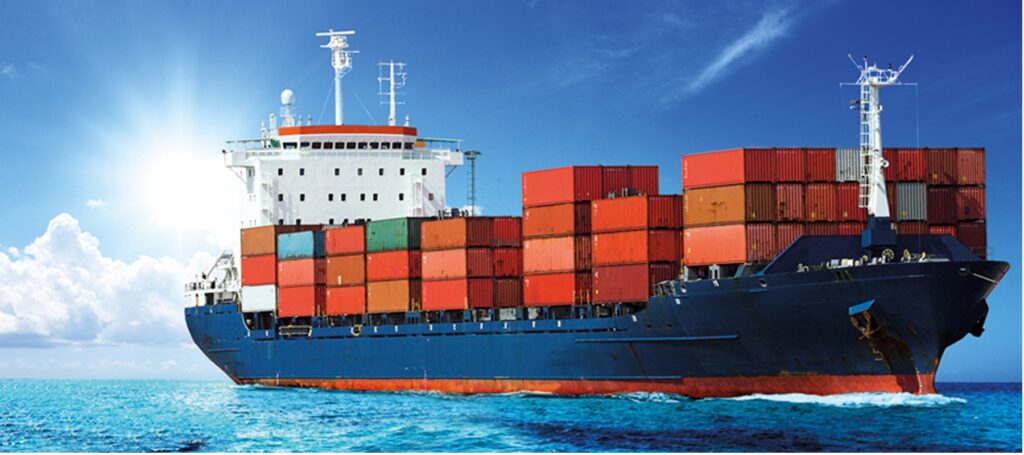
- Ports: Shanghai, Ningbo, Shenzhen, Qingdao, Guangzhou, Tianjin.
- Airports: Beijing Capital, Shanghai Pudong, Guangzhou Baiyun, Shenzhen Bao’an.
Choosing the right hub reduces inland trucking and speeds up exports.
8. What Documents Are Required for Freight in China?
| Document | Purpose |
|---|---|
| Bill of Lading / Air Waybill | Proof of shipment |
| Commercial Invoice | Declares value |
| Packing List | Itemized cargo breakdown |
| Certificate of Origin | Country verification |
| Customs Declaration | Duty and tax calculation |
| Import Licenses (if applicable) | For restricted goods |
Freight agents prepare and verify these to avoid costly delays.
9. What Duties and Taxes Apply When Importing from China?
- Customs Duty: Varies based on HS code.
- VAT / Sales Tax: Depends on destination country.
- Additional Fees: Port handling, inspection, storage charges.
Therefore, importers should calculate duties in advance to understand real shipping costs.
10. Sea vs. Air vs. Rail: Which Freight Method is Best?
| Method | Cost | Speed | Best For | Pros | Cons |
|---|---|---|---|---|---|
| Sea Freight | Lowest | 25–40 days | Bulk shipments | Cheapest per unit | Long transit |
| Air Freight | High | 3–7 days | Urgent, high-value cargo | Fast & secure | Expensive |
| Rail Freight | Mid-range | 18–25 days | Medium cargo to Europe | Faster than sea | Limited routes |
| Courier | High per kg | 2–5 days | Small parcels | Door-to-door | Costly for bulk |
Thus, businesses must align shipping choices with product type, volume, and deadlines.
11. How Do Freight Forwarders in China Help Businesses?
Freight forwarders:
- Negotiate competitive rates with carriers.
- Handle customs documentation.
- Provide multimodal solutions (sea + air + rail).
- Track shipments in real-time.
- Advise on compliance and HS codes.
Consequently, they simplify logistics and lower overall costs.
12. Tips to Reduce Freight Costs in China
- Ship in full containers (FCL) to lower unit costs.
- Consolidate cargo to avoid paying for unused space.
- Book early to avoid peak-season surcharges.
- Use alternative ports to bypass congestion.
- Compare multiple freight forwarder quotes.
📦Get a Free Quote
Working with a reliable freight provider ensures your freight in China is cost-efficient, compliant, and delivered on schedule. At ChinaTopFreight, we specialize in sea, air, rail, and courier solutions tailored to importers worldwide. Contact us today for a competitive quote and simplify your logistics.
❓ Frequently Asked Questions
1. What is the cheapest freight option in China?
Sea freight (FCL) is the most economical for bulk shipments, though slower than air or rail.
2. How long does freight from China to the USA take?
Sea freight takes 25–35 days, while air freight takes only 3–7 days.
3. Can small businesses use freight forwarders in China?
Yes. Freight forwarders offer LCL and courier services, perfect for SMEs with smaller shipments.
4. What documents are needed for customs clearance?
Key documents include a commercial invoice, packing list, bill of lading, and certificate of origin.
5. Is rail freight reliable from China to Europe?
Yes. Rail freight is faster than sea and more stable than air during peak seasons.
Conclusion
The freight in China market remains the backbone of global trade. Sea freight is the cheapest for large shipments, air freight ensures speed for urgent cargo, and rail provides a balance between cost and time. However, customs, duties, and proper documentation are just as important as freight rates. By partnering with experienced freight forwarders, importers and exporters can achieve smooth, cost-efficient, and reliable shipping solutions.