

- By kelly
- September 11, 2025
- Logistics Guide
Cheapest Freight from China to Australia: Complete 2025 Guide
For importers, securing the cheapest freight from China to Australia is critical to staying competitive. Many businesses struggle with fluctuating freight rates, customs duties, and long transit times. However, with proper planning, comparing methods, and working with reliable partners, you can minimize costs while keeping supply chains efficient.
1. What Are the Main Shipping Options from China to Australia?
Choosing the right shipping method depends on urgency, cargo type, and budget.
| Method | Transit Time | Cost Level | Best For | Pros | Cons |
|---|---|---|---|---|---|
| Sea Freight (FCL/LCL) | 20–35 days | Cheapest | Bulk cargo | Cost-efficient, large volumes | Slow transit, port delays |
| Air Freight | 5–10 days | Expensive | Urgent goods | Fast, secure | High cost |
| Express Courier (DHL/UPS/FedEx) | 3–7 days | Very High | Small parcels | Door-to-door, simple | Limited size/weight |
| Rail + Sea (Multimodal) | 25–35 days | Medium | Non-urgent cargo | Balanced costs | Longer handling |
Therefore, sea freight remains the cheapest, especially for full container loads.
2. How Long Does Shipping from China to Australia Take?
Transit times depend on origin, destination, and customs clearance.
| Route | Mode | Estimated Time |
|---|---|---|
| Shanghai – Sydney | Sea Freight | 20–25 days |
| Ningbo – Melbourne | Sea Freight | 22–28 days |
| Shenzhen – Brisbane | Sea Freight | 25–30 days |
| Guangzhou – Perth | Sea Freight | 30–35 days |
| Guangzhou – Sydney | Air Freight | 5–7 days |
| Beijing – Melbourne | Air Freight | 6–9 days |
| Courier Express | Courier | 3–6 days |
Moreover, peak seasons like Chinese New Year can cause additional delays.
3. How Much Does It Cost to Ship Cargo from China to Australia?
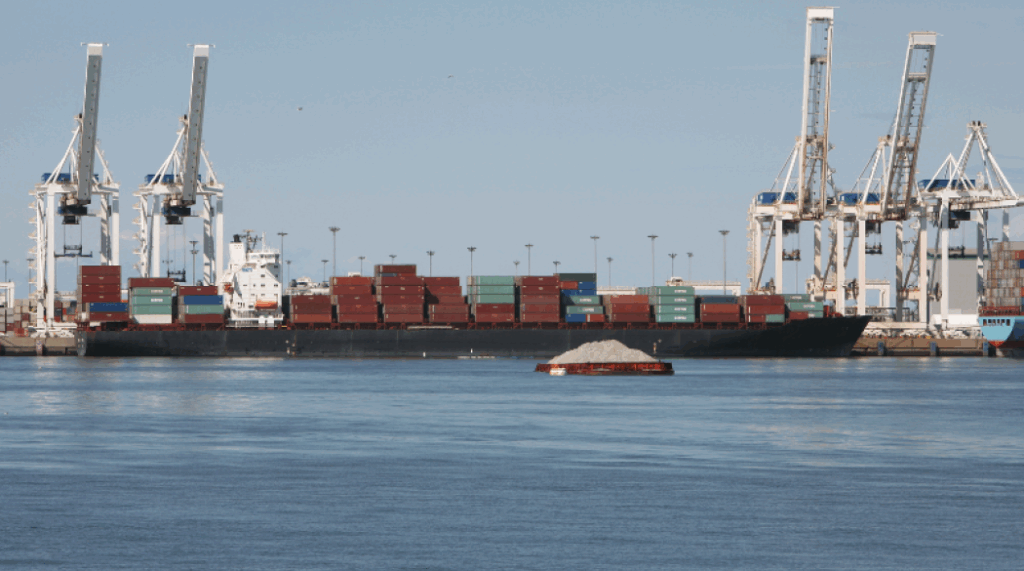
Costs are influenced by volume, weight, and service level.
| Cargo Type | Estimated Cost (USD) | Notes |
|---|---|---|
| 20FT Container (FCL) | $1,200–$1,800 | Good for medium bulk |
| 40FT Container (FCL) | $2,000–$2,800 | Cost-efficient per unit |
| LCL (per CBM) | $120–$180 | Small shipments |
| Air Freight (per kg) | $5–$9 | Urgent cargo |
| Express Courier (per kg) | $10–$15 | Small parcels, samples |
Additionally, importers should consider fuel surcharges, customs fees, and port charges.
4. Which Ports and Airports Are Commonly Used?
Major Chinese Ports:
- Shanghai
- Ningbo
- Shenzhen
- Guangzhou
- Qingdao
Australian Ports:
- Sydney (Port Botany)
- Melbourne
- Brisbane
- Fremantle (Perth)
Airports:
- Shanghai Pudong (PVG)
- Guangzhou Baiyun (CAN)
- Beijing Capital (PEK)
- Sydney Kingsford Smith (SYD)
- Melbourne Tullamarine (MEL)
Therefore, selecting the right route impacts both transit time and total cost.
5. What Customs Duties and Taxes Apply in Australia?
Australia has strict import regulations.
- Customs Duty: Varies by HS code and product type (typically 0–10%).
- Goods and Services Tax (GST): 10% applied on CIF value + duty.
- Excise Taxes: Apply to alcohol, fuel, and tobacco.
- Low-Value Imports: Goods under AUD 1,000 still attract GST.
Therefore, importers should calculate landed costs in advance to avoid surprises.
6. What Documents Are Needed for Customs Clearance?
| Document | Purpose |
|---|---|
| Commercial Invoice | Declares value |
| Packing List | Itemized details |
| Bill of Lading / Air Waybill | Shipment contract |
| Import Declaration | Customs requirement |
| Certificate of Origin | Determines duties |
| HS Code | Classification |
Accurate paperwork ensures smooth clearance and avoids penalties.
7. Should You Choose FCL or LCL for Sea Freight?
| Factor | FCL | LCL |
|---|---|---|
| Cost Efficiency | Better for larger loads | Affordable for small cargo |
| Speed | Faster | Slower (consolidation needed) |
| Security | Exclusive container | Shared, higher damage risk |
Therefore, FCL is best for big volumes, while LCL suits small businesses.
8. Is Air Freight Worth It Compared to Sea Freight?
Air Freight Pros:
- Fastest delivery (5–10 days).
- Secure and reliable.
- Suitable for perishable and high-value goods.
Air Freight Cons:
- Expensive.
- Weight and volume limitations.
Sea freight, while slower, is far cheaper for bulk shipments.
9. How to Find the Cheapest Freight from China to Australia?
- Ship in bulk (FCL) to reduce per-unit cost.
- Avoid peak seasons.
- Compare multiple freight forwarders.
- Use alternative ports like Fremantle for cost savings.
- Optimize packaging to reduce chargeable weight.
10. What Are the Pros and Cons of Different Freight Options?
| Mode | Pros | Cons |
|---|---|---|
| Sea Freight | Cheapest, high volume | Long transit time |
| Air Freight | Fast, reliable | Expensive |
| Express Courier | Convenient, fast | Very costly |
| Multimodal | Balanced | Longer handling |
11. Why Work with a Freight Forwarder?
Freight forwarders:
- Negotiate competitive rates.
- Handle customs documentation.
- Provide door-to-door service.
- Manage risks and compliance.
Moreover, professional guidance ensures you always secure the cheapest freight from China to Australia without compromising reliability.
📦Get a Free Quote
Partnering with experts makes importing easier. Contact us today for tailored freight solutions and competitive quotes for your shipments from China to Australia.
❓ Frequently Asked Questions
1. How long does sea freight from China to Australia take?
Typically 20–35 days depending on port of origin and customs clearance speed.
2. What is the cheapest way to ship from China to Australia?
Sea freight, particularly FCL, offers the lowest cost per unit.
3. Do I need a customs broker in Australia?
Yes, brokers simplify clearance and ensure compliance with import laws.
4. Can I ship small parcels from China to Australia?
Yes, couriers like DHL, UPS, or FedEx are suitable for small shipments.
5. What documents are required for shipping?
Commercial invoice, packing list, bill of lading, certificate of origin, and import declaration.
Conclusion
Securing the cheapest freight from China to Australia requires balancing cost, speed, and compliance. Sea freight is the most affordable method for large volumes, while air freight and couriers suit urgent deliveries. Moreover, working with a reliable freight forwarder helps businesses save money, streamline operations, and avoid costly delays.