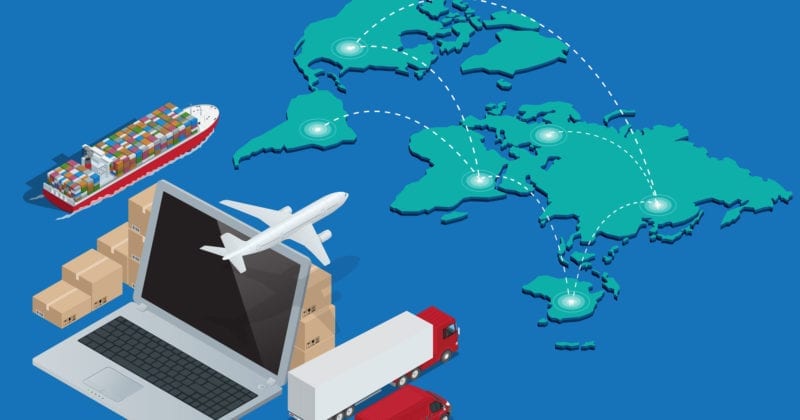
Sea freight China to Singapore is one of the most efficient and cost-effective ways for businesses to transport goods between the two countries. However, understanding costs, transit times, and customs regulations can be challenging without guidance. Reliable Chinese freight forwarders offering sea, air, rail, and courier services ensure smooth delivery for importers targeting Singapore’s competitive market.
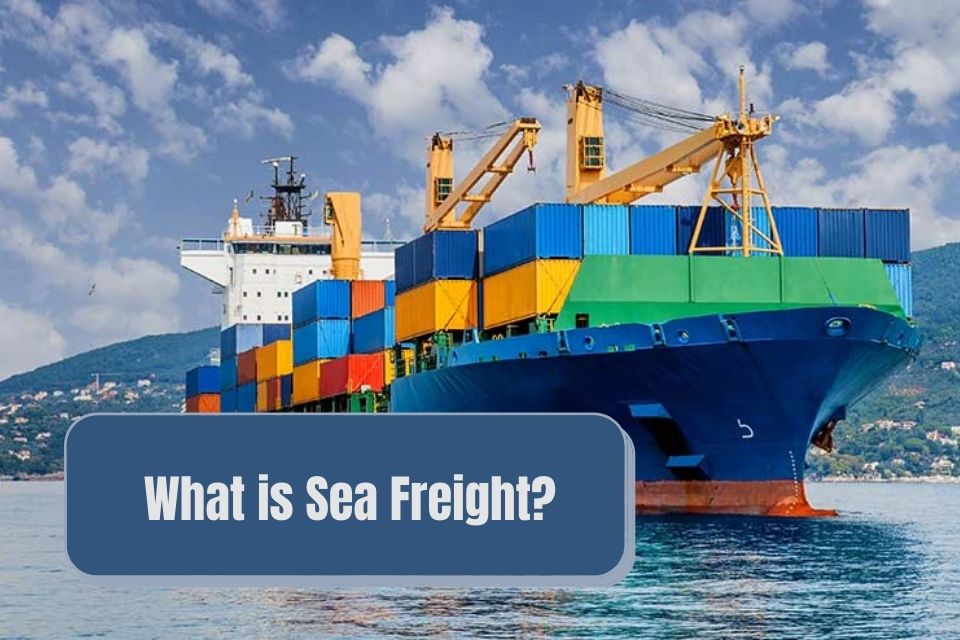
Sea freight refers to the shipment of goods via container vessels from Chinese ports like Shanghai, Ningbo, or Shenzhen to Singapore’s major port terminals. It remains the most economical method for moving bulk cargo across Asia.
How Much Does Sea Freight China to Singapore Cost?
Container Size
Average Cost (USD)
Cargo Type
20ft Container
$500 – $850
Furniture, textiles, general goods
40ft Container
$950 – $1,400
Electronics, machinery
40ft High Cube
$1,050 – $1,600
Bulky cargo, heavy shipments
Costs fluctuate due to fuel prices, peak seasons, and global trade demand.
How Long Does Sea Freight Take from China to Singapore?
Route
Estimated Transit Time
Shanghai → Singapore
5–7 days
Shenzhen → Singapore
4–6 days
Ningbo → Singapore
6–8 days
Qingdao → Singapore
7–10 days
Although transit times are relatively short, customs clearance and port congestion may extend total delivery time.
FCL (Full Container Load): Exclusive use of a container, secure, cost-effective for large shipments.
LCL (Less than Container Load): Shared container space, cheaper upfront, best for small businesses.
Option
Pros
Cons
FCL
Faster, secure, cheaper per unit
Requires large volume
LCL
Low cost for small loads
Slower, risk of delays
What Customs Documents Are Required?
Document
Purpose
Bill of Lading
Proof of shipment
Commercial Invoice
Declares cargo value
Packing List
Provides shipment details
Certificate of Origin
Confirms source country
Import Permit (if needed)
Required for restricted goods
Ensuring accurate documentation avoids costly customs delays.
Why Is Sea Freight Popular for China–Singapore Trade?
Singapore’s geographical proximity, advanced logistics infrastructure, and free-trade policies make sea freight the backbone of bilateral trade. Moreover, lower per-unit costs allow importers to maximize profits compared to air freight.
Air vs Sea Freight: Which Should You Choose?
Method
Pros
Cons
Sea Freight
Affordable, large volumes, eco-friendly
Longer transit times
Air Freight
Fast, reliable, ideal for urgent cargo
Expensive, limited space
Therefore, businesses often choose sea freight for bulk shipments while using air freight for urgent or high-value products.
Which Ports Handle Sea Freight China to Singapore?
Singapore: PSA Singapore, the world’s second-busiest container port, handling millions of TEUs annually.
What Factors Influence Shipping Costs?
Container size and cargo type.
Seasonal demand (Chinese New Year, peak holidays).
Global fuel prices.
Port congestion or delays.
Customs duties and local handling fees.
How to Reduce Sea Freight Costs from China to Singapore?
Book in advance during off-peak seasons.
Use FCL for larger shipments to reduce per-unit costs.
Consolidate shipments when using LCL.
Partner with experienced freight forwarders for negotiated rates.
Optimize packaging to reduce volumetric charges.
Advantages of Sea Freight China to Singapore
Cost-effective for bulk trade.
Shorter transit times compared to other global routes.
High reliability due to Singapore’s strong port infrastructure.
Flexible shipping solutions (FCL and LCL).
Final Thoughts
Sea freight China to Singapore offers importers a reliable, affordable, and efficient logistics solution. While transit times are longer than air freight, the cost savings and capacity make it the best choice for businesses managing bulk goods. By planning ahead, consolidating shipments, and working with experienced freight forwarders, companies can optimize shipping, reduce costs, and ensure seamless customs clearance.