

- By kelly
- September 11, 2025
- Logistics Guide
Shipping Company from China to Canada: Complete Guide on Costs, Transit & Logistics
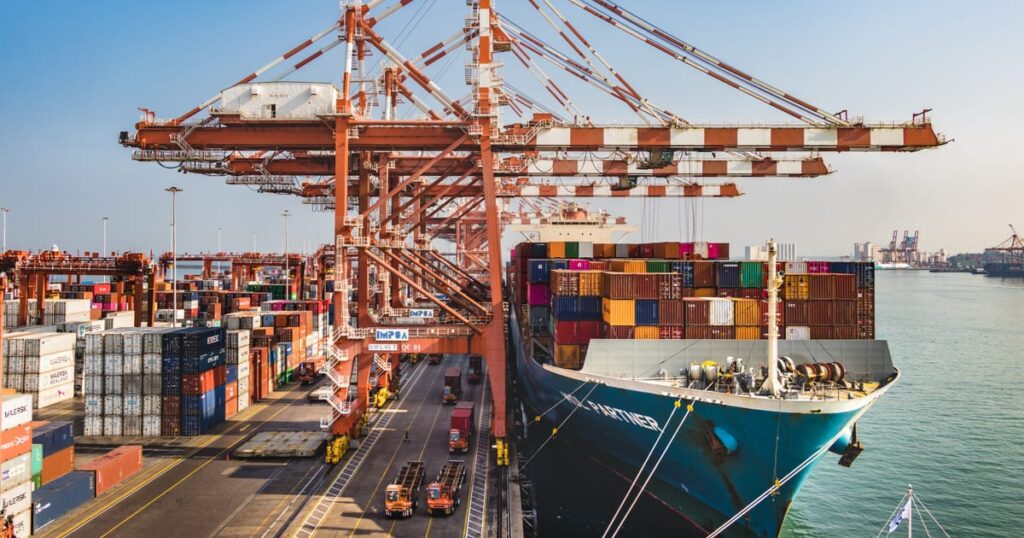
Choosing the right shipping company from China to Canada can be overwhelming for importers. With rising freight rates, complex customs rules, and tight delivery schedules, businesses often face delays and unexpected costs. However, with the right freight forwarder and strategy, your shipments can move smoothly and cost-effectively.
Why Do You Need a Shipping Company from China to Canada?
International shipping involves multiple processes such as customs clearance, cargo handling, and documentation. A professional freight forwarder ensures:
- Lower shipping costs through carrier partnerships.
- Faster transit times by selecting the best routes.
- Compliance with Canadian import regulations.
- Stress-free logistics with door-to-door service.
Therefore, partnering with a reliable shipping company reduces risk and saves time.
How Much Does It Cost to Ship from China to Canada?
Shipping costs vary by method, cargo size, and season. Moreover, additional charges such as customs duties, fuel surcharges, and handling fees impact total expenses.
| Shipping Method | Estimated Cost | Transit Time | Best For |
|---|---|---|---|
| Sea Freight (FCL) | $2,800 – $5,000 per container | 25–40 days | Bulk cargo |
| Sea Freight (LCL) | $80 – $120 per CBM | 30–45 days | Small shipments |
| Air Freight | $4 – $9 per kg | 5–10 days | Urgent goods |
| Courier | $7 – $12 per kg | 3–7 days | Small parcels |
| Rail Freight (via USA) | $2,500 – $4,500 per container | 18–25 days | Limited availability |
What Shipping Methods Are Available from China to Canada?

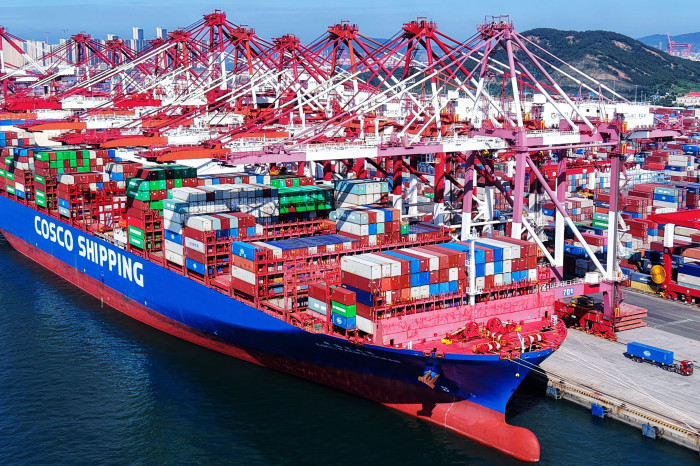
Sea freight is the most popular and cost-effective option. Full Container Load (FCL) offers better security and lower costs per unit, while Less than Container Load (LCL) is ideal for smaller shipments
Air freight ensures faster transit, suitable for electronics, fashion, and high-value products. Although more expensive, it reduces stockout risks.
Carriers like DHL, FedEx, and UPS provide fast door-to-door delivery, best for e-commerce and small packages.
Rail freight is a developing alternative, offering a balance of speed and cost. However, it requires transloading at U.S. borders.
How Long Does Shipping from China to Canada Take?
Transit times depend on method and destination port or airport.
| Destination | Sea Freight | Air Freight | Courier |
|---|---|---|---|
| Vancouver | 20–28 days | 5–7 days | 3–5 days |
| Toronto | 30–40 days | 6–9 days | 4–6 days |
| Montreal | 32–42 days | 6–10 days | 4–7 days |
What Documents Are Required for Canada Imports?
Shipping to Canada requires accurate paperwork. Missing documents can cause costly delays.
| Document | Purpose |
|---|---|
| Commercial Invoice | Declares value of goods |
| Packing List | Details cargo contents |
| Bill of Lading / Air Waybill | Transport contract |
| Certificate of Origin | Proves manufacturing source |
| Canada Customs Invoice (CCI) | Mandatory for imports > CAD $2,500 |
| Importer of Record | Responsible for duties and compliance |
Should You Choose FCL or LCL for Canada Shipments?
| Option | Advantages | Disadvantages |
|---|---|---|
| FCL (Full Container Load) | Lower cost per unit, secure, faster handling | Requires large volumes |
| LCL (Less than Container Load) | Flexible, cost-effective for small loads | Longer handling, higher damage risk |
What Are the Pros and Cons of Sea, Air, and Courier Shipping?
| Method | Pros | Cons |
|---|---|---|
| Sea Freight | Cheapest per unit, good for bulk cargo | Slow, subject to port congestion |
| Air Freight | Fast, reliable, lower risk of damage | Expensive, weight restrictions |
| Courier | Direct, door-to-door, fast | High per kg cost |
How Do Customs Duties and Taxes Work in Canada?
Importers must pay duties and GST/HST based on HS codes and product categories. Additionally, incorrect product classification may lead to fines or seizures. A shipping company helps manage tariff codes, ensuring compliance.
What Are Common Challenges in Shipping from China to Canada?
- Port Congestion: Delays at Vancouver or Toronto.
- Customs Clearance: Incorrect documents cause long hold times.
- Hidden Fees: Storage, demurrage, and handling charges.
- Seasonal Rate Spikes: Prices rise during peak seasons.
However, with proper planning and a reliable forwarder, these risks can be minimized.
Why Work with a Professional Shipping Company?
A specialized shipping company from China to Canada offers:
- Competitive freight rates through bulk contracts.
- Customs brokerage services to ensure compliance.
- Flexible delivery terms (DDP, DAP, FOB, CIF).
- Real-time shipment tracking.
- End-to-end solutions from supplier to consignee.
📦Get a Free Quote
If you are planning shipments, remember that working with a trusted shipping company from China to Canada ensures cost savings, faster customs clearance, and peace of mind. Contact us today to request a free shipping quote tailored to your business needs.
❓ Frequently Asked Questions
Q1: How much does sea freight cost from China to Canada?
A 40ft container costs between $3,500 and $5,000 depending on carrier, season, and final destination.
Q2: What is the fastest way to ship from China to Canada?
Air freight and courier services are the fastest, taking 3–10 days depending on the airport and service provider.
Q3: Can small businesses use LCL shipping to Canada?
Yes, LCL allows small businesses to share container space, reducing upfront costs while maintaining efficiency.
Q4: Do I need a customs broker for Canada imports?
Yes, customs brokers help classify products, pay duties, and ensure compliance with Canadian import laws.
Q5: What Incoterms are best for Canada shipments?
Delivered Duty Paid (DDP) and Delivered at Place (DAP) are recommended, as they simplify customs and final delivery.
Conclusion
Selecting the right shipping company from China to Canada is essential for smooth logistics and cost efficiency. While sea freight remains the most economical for bulk cargo, air and courier options serve urgent needs. Moreover, proper documentation, customs compliance, and reliable partners prevent costly delays. By working with a professional freight forwarder, businesses can optimize supply chains, reduce risks, and achieve reliable delivery across Canada.