

- By ayla tj
- September 12, 2025
- Logistics Guide
Finding cheap air freight from China to Australia is a top priority for importers aiming to balance shipping speed and cost. Businesses often struggle with rising freight rates, customs complexity, and uncertain transit schedules. However, with the right freight forwarder offering sea freight, air freight, and courier options, importers can streamline logistics and ensure timely deliveries through reliable Chinese partners.
1. What Is the Best Way to Get Cheap Air Freight from China to Australia?
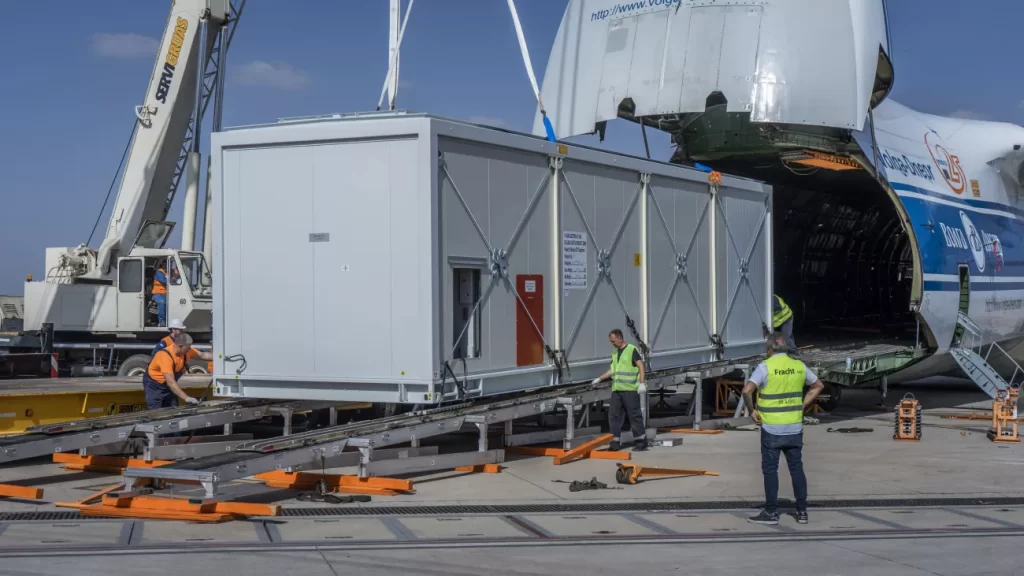
Air freight remains the fastest method for transporting goods across the Asia–Pacific region. Although typically more expensive than sea freight, it offers unparalleled speed. However, by consolidating shipments, choosing off-peak schedules, and partnering with experienced freight forwarders, businesses can access affordable rates without sacrificing reliability.
2. Why Choose Air Freight Instead of Sea Freight?
While sea freight is more economical for bulk cargo, air freight is ideal for time-sensitive goods such as electronics, medical supplies, or fashion products. Importers who value delivery speed should consider air freight despite higher per-kg costs. Moreover, air freight significantly reduces the risk of delays compared to ocean shipping, which can face port congestion and weather disruptions.
3. How Much Does Air Freight from China to Australia Cost?
Air freight costs depend on cargo weight, dimensions, origin airport, and delivery destination in Australia. Generally, rates range between USD 4.5 – 8.5 per kg.
| Cargo Weight | Estimated Cost (USD/kg) | Transit Time | Notes |
|---|---|---|---|
| 100 – 300 kg | 6.5 – 8.5 | 3 – 5 days | Suitable for urgent goods |
| 300 – 500 kg | 5.5 – 7.0 | 4 – 6 days | Balanced cost and speed |
| 500 kg and above | 4.5 – 6.0 | 5 – 7 days | Best for larger consignments |
What are you waiting for?
Contact TJ China Freight for a fast, free quote.
Are you ready to book?
Access live instant freight quotes
4. What Are the Transit Times for Air Freight?
On average, direct flights from China to Australia take 1–2 days. However, including customs clearance, handling, and inland transport, total delivery usually requires 3–7 days.
| Route | Average Transit Time |
|---|---|
| Beijing to Sydney | 3 – 5 days |
| Shanghai to Melbourne | 4 – 6 days |
| Guangzhou to Brisbane | 4 – 7 days |
| Shenzhen to Perth | 5 – 7 days |
5. Can Importers Reduce Costs on Air Freight Shipments?
Yes. Importers can minimize expenses by:
- Consolidating shipments with other consignors.
- Booking during off-peak seasons, when rates drop.
- Using standard services instead of express options.
- Partnering with freight forwarders who negotiate bulk airline contracts.
- Optimizing packaging to reduce volumetric weight charges.
6. What Documents Are Required for Air Freight from China to Australia?
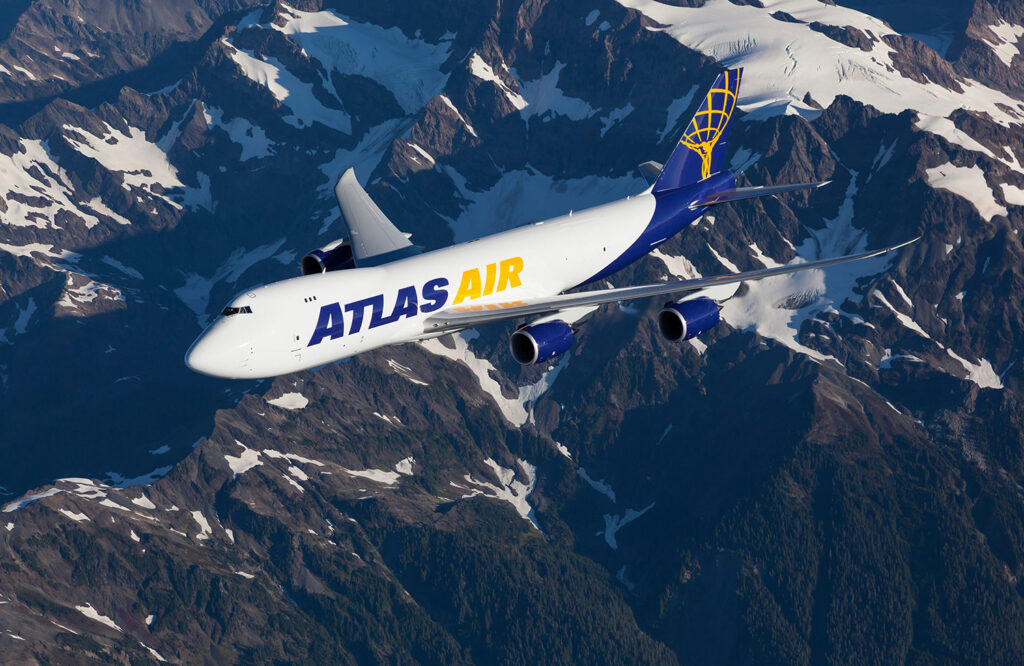
Proper documentation ensures smooth customs clearance.
| Document | Purpose |
|---|---|
| Commercial Invoice | Declares goods value for customs duties |
| Packing List | Details items and packaging breakdown |
| Air Waybill (AWB) | Contract of carriage between shipper and airline |
| Import Declaration | Required by Australian Border Force (ABF) |
| Certificates (if needed) | For restricted or sensitive goods (e.g., food, meds) |
7. How Does Air Freight Compare with Sea and Rail Freight?
| Mode | Cost Level | Transit Time | Best For |
|---|---|---|---|
| Air Freight | High | 3 – 7 days | Urgent or high-value cargo |
| Sea Freight | Low | 18 – 35 days | Bulk goods and non-urgent shipments |
| Rail Freight | Moderate | Not available | Primarily China–Europe, not China–Australia |
Therefore, although sea freight is cheaper, air freight ensures faster delivery cycles, reducing inventory holding costs and improving supply chain efficiency.
8. Should Small Businesses Use Air Freight?
Absolutely. Many SMEs importing from China to Australia prefer air freight for small, high-value shipments. Since sea freight involves larger container minimums (LCL or FCL), air freight often proves more cost-effective for shipments under 500 kg.
9. What Are the Advantages of Using a Chinese Freight Forwarder?
Working with a local freight forwarder in China offers several advantages:
- Competitive pricing through established airline partnerships.
- Seamless handling of customs clearance and documentation.
- Multi-modal options including courier, sea, and air services.
- End-to-end logistics solutions, from supplier pick-up to final delivery in Australia.
10. Do Air Freight Rates Fluctuate Throughout the Year?
Yes. Rates often increase during peak seasons such as Chinese New Year, Golden Week, and pre-Christmas months (October–December). To secure cheap rates, importers should book shipments in advance and consult freight forwarders for flexible scheduling.
11. Is Insurance Necessary for Air Freight Shipments?
Although air freight has lower risk than sea shipping, insurance is highly recommended. It protects against damage, loss, or theft during transit. Most freight forwarders provide comprehensive coverage options based on cargo value.
Final Thoughts
Choosing cheap air freight from China to Australia enables businesses to achieve fast deliveries while controlling logistics expenses. By consolidating shipments, planning around peak seasons, and partnering with reliable Chinese freight forwarders, importers can access competitive rates and efficient supply chain solutions. For businesses seeking flexibility, speed, and cost control, air freight remains the smartest choice for cross-border trade.
FAQ
1. Can I track my air freight shipment from China to Australia?
Yes, most airlines and freight forwarders provide online tracking tools showing real-time cargo status and estimated delivery time.
2. What factors influence air freight charges besides weight?
Charges also depend on cargo dimensions, destination airport, fuel surcharges, security fees, and seasonal airline rate fluctuations.
3. Are there duties or taxes when importing goods via air freight?
Yes, Australian Customs applies GST and duties based on product classification, declared value, and applicable free trade agreements.
4. How do freight forwarders negotiate lower air freight rates?
Forwarders secure bulk contracts with airlines, consolidate shipments, and pass on cost savings to clients for cheaper transport.
5. Is weekend delivery possible for air freight shipments?
Yes, but weekend delivery often requires express courier services or special arrangements with local logistics providers in Australia.