

- By kelly
- September 12, 2025
- Logistics Guide
Freight Forwarder China to Singapore: Cost, Transit & Customs Guide
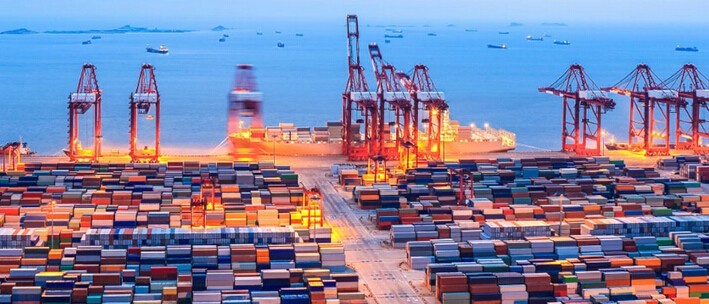
If you are an importer, one of the most important decisions is choosing the right freight forwarder China to Singapore. Singapore is one of Asia’s busiest logistics hubs, but costs, customs, and transit times can still be confusing. However, with proper planning and the right logistics partner, shipping can be affordable, fast, and hassle-free.
1. Why Do You Need a Freight Forwarder China to Singapore?
A freight forwarder simplifies international trade by handling transportation, customs clearance, and paperwork. Moreover, they coordinate with carriers, warehouses, and local authorities, ensuring your cargo arrives safely and on time.
Key reasons include:
- Streamlined logistics and reduced delays.
- Cost savings through consolidated shipments.
- Expert guidance on Singapore import regulations.
- Real-time tracking and reliable delivery schedules.
2. What Shipping Methods Are Available from China to Singapore?
There are multiple shipping methods available. The best choice depends on budget, timeline, and cargo type.
| Method | Average Cost | Transit Time | Pros | Cons |
|---|---|---|---|---|
| Sea Freight (FCL) | $600 – $1,200 per container | 5–8 days | Economical for bulk cargo | Slower than air |
| Sea Freight (LCL) | $30 – $50 per CBM | 7–10 days | Affordable for small shipments | Extra handling required |
| Air Freight | $4 – $7 per kg | 1–3 days | Fast, reliable | Expensive |
| Courier/Express | $6 – $12 per kg | 2–5 days | Door-to-door convenience | High per-unit cost |
| Rail/Multimodal | Limited | 8–12 days | Balanced cost/time | Less direct routes |
3. How Much Does Sea Freight Cost?
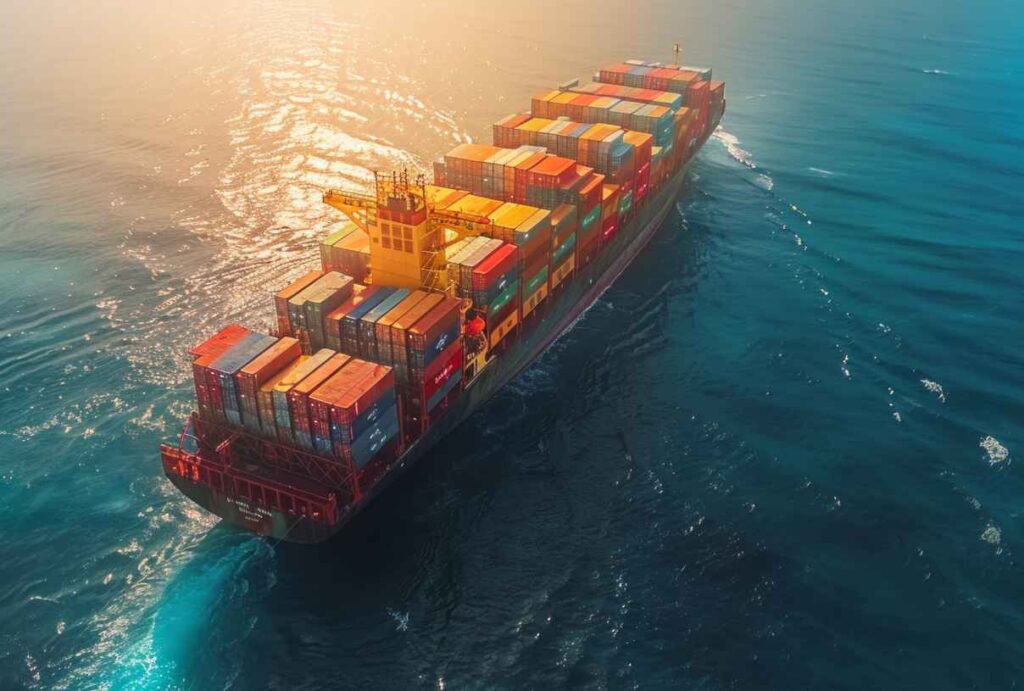
Sea freight remains the most common method.
| Container Type | Cost (USD) | Capacity | Best For |
|---|---|---|---|
| 20ft FCL | $600 – $800 | 28–30 CBM | Smaller loads |
| 40ft FCL | $1,000 – $1,200 | 58–60 CBM | Larger shipments |
| 40HQ (High Cube) | $1,100 – $1,300 | 68 CBM | Bulky goods |
Sea freight is best for heavy or high-volume shipments like furniture, electronics, or raw materials.
4. Is Air Freight Worth the Price?
Air freight is popular for high-value goods.
| Weight | Cost per kg (USD) | Transit Time |
|---|---|---|
| 100 – 300 kg | $5 – $7 | 1–2 days |
| 300 – 500 kg | $4.5 – $6 | 1–3 days |
| 500+ kg | Negotiable | 1–3 days |
Although expensive, air freight guarantees speed, making it ideal for perishable goods, fashion, or urgent deliveries.
5. Should You Choose FCL or LCL?
When deciding between Full Container Load (FCL) and Less than Container Load (LCL), consider shipment size.
| Option | Pros | Cons |
|---|---|---|
| FCL | Secure, cost-effective per CBM | Higher upfront cost |
| LCL | Flexible for small shipments | Higher handling and per-unit costs |
6. What Are the Customs Duties for Shipping to Singapore?
Singapore is known for efficient customs processes. However, duties and taxes still apply.
- GST (Goods and Services Tax): 8% of CIF value (Cost + Insurance + Freight).
- Excise Duties: Apply on alcohol, tobacco, and petroleum.
- Import Permits: Required for restricted items.
- Customs Clearance Fees: $30 – $80 depending on agent.
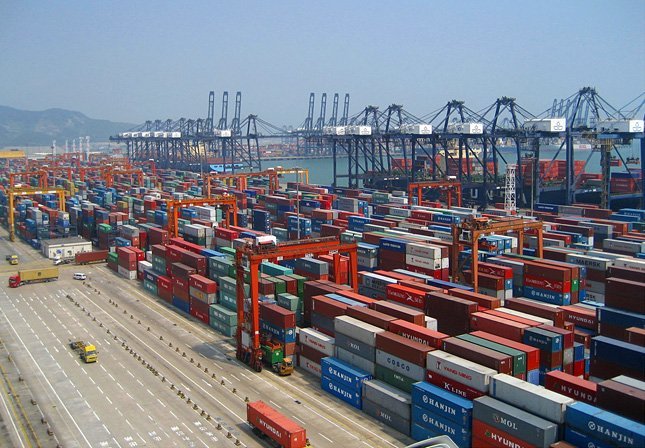
7. Which Documents Are Required for Import?
Proper documentation prevents delays.
| Document | Purpose |
|---|---|
| Commercial Invoice | Declares goods’ value |
| Packing List | Cargo breakdown |
| Bill of Lading (Sea) / Air Waybill (Air) | Shipping contract |
| Certificate of Origin | Confirms product source |
| Import Permits (if needed) | For regulated items |
8. What Are the Transit Times from China to Singapore?
Transit time depends on port of origin and method.
| Origin Port (China) | Destination (Singapore) | Method | Transit Time |
|---|---|---|---|
| Shanghai | Singapore | Sea Freight | 5–7 days |
| Shenzhen | Singapore | Sea Freight | 4–6 days |
| Guangzhou | Singapore | Air Freight | 1–2 days |
| Ningbo | Singapore | LCL | 7–10 days |
9. What Are the Pros and Cons of Sea vs Air vs Courier?
| Mode | Pros | Cons |
|---|---|---|
| Sea Freight | Cheapest for volume, eco-friendly | Slower transit |
| Air Freight | Fast, reliable | High cost |
| Courier | Door-to-door, trackable | Expensive for bulk |
10. How Can You Reduce Shipping Costs?
Practical strategies:
- Book in advance: Avoid peak-season surcharges.
- Use consolidation services: Save money on LCL.
- Choose optimal ports: Major Chinese ports like Shanghai and Shenzhen offer cheaper routes.
- Partner with experienced forwarders: Access negotiated rates.
- Plan around demand cycles: Costs rise before holidays.
11. What Role Does a Freight Forwarder Play?
A professional freight forwarder helps with:
- Route optimization.
- Negotiating carrier contracts.
- Preparing customs documentation.
- Providing door-to-door delivery.
- Offering insurance and risk management.
This reduces risks and saves time for importers.
12. Do Freight Forwarders Offer Door-to-Door Delivery?
Yes, most provide door-to-door services including:
- Pickup from supplier’s factory in China.
- Export customs clearance.
- International shipping.
- Import customs clearance in Singapore.
- Final delivery to warehouse or office.
13. Should SMEs Use Freight Forwarders?
For small and medium enterprises (SMEs), freight forwarders are particularly valuable because they offer:
- Consolidation options for smaller loads.
- Transparent cost breakdowns.
- Access to global carrier networks.
- Assistance with customs compliance.
📦Get a Free Quote
If you’re looking for the most reliable freight forwarder China to Singapore, the best way forward is to work with a trusted partner. Professional logistics providers handle everything from customs paperwork to delivery schedules, ensuring your supply chain runs smoothly. Contact us today for a tailored quote and let us optimize your shipping process.
❓ Frequently Asked Questions
1. How much does sea freight cost from China to Singapore?
A 20ft container typically costs $600–$800, while a 40ft container costs $1,000–$1,200 depending on port and season.
2. How long does air freight take from China to Singapore?
Air freight usually takes 1–3 days, depending on airline schedules, cargo volume, and customs clearance efficiency.
3. Do I need an import license for Singapore?
Most goods don’t require a license, but restricted items like chemicals, alcohol, and medical products need permits.
4. Is LCL cheaper than FCL?
For shipments under 15 CBM, LCL is cheaper. However, FCL offers better value and security for larger cargo loads.
5. Can freight forwarders arrange customs clearance in Singapore?
Yes, forwarders handle customs clearance, GST payment, and documentation, ensuring smooth entry of goods into Singapore.
Conclusion
Choosing the right freight forwarder China to Singapore can drastically improve your logistics efficiency. Costs vary depending on shipping method, cargo size, and customs duties, but with proper planning and a trusted partner, businesses can save time and money. Whether you choose sea freight for bulk, air freight for speed, or courier for small packages, a freight forwarder ensures smooth international trade operations.