

- By kelly
- September 15, 2025
- Logistics Guide
Air Freight Quote China to Australia: Complete Guide for 2025
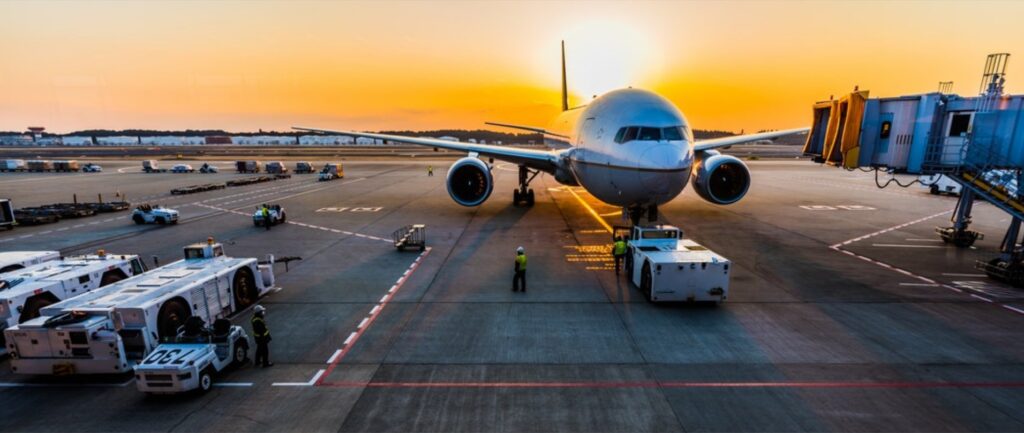
Getting an air freight quote China to Australia can feel overwhelming if you don’t know where to start. Between cost calculations, customs paperwork, and choosing the right carrier, mistakes can cost both time and money. This guide breaks it down step by step, helping you secure competitive rates, faster transit times, and smoother logistics for your shipments.
1. What Is an Air Freight Quote China to Australia?
An air freight quote China to Australia is a cost estimate provided by a logistics provider. It typically covers:
- Freight charges (airport-to-airport or door-to-door)
- Fuel surcharges & security fees
- Customs clearance costs
- Optional services (pick-up, delivery, insurance, warehousing)
Getting an accurate quote ensures you avoid hidden costs and delays.
2. Why Choose Air Freight from China to Australia?
Although sea freight is cheaper, air freight is often preferred when:
- Goods are time-sensitive (e.g., electronics, fashion, medical supplies).
- Cargo value is high and requires secure handling.
- Inventory cycles demand just-in-time delivery.
Moreover, air freight provides reliability, reduced handling, and direct routes between major Chinese and Australian cities.
3. How Much Does Air Freight from China to Australia Cost?
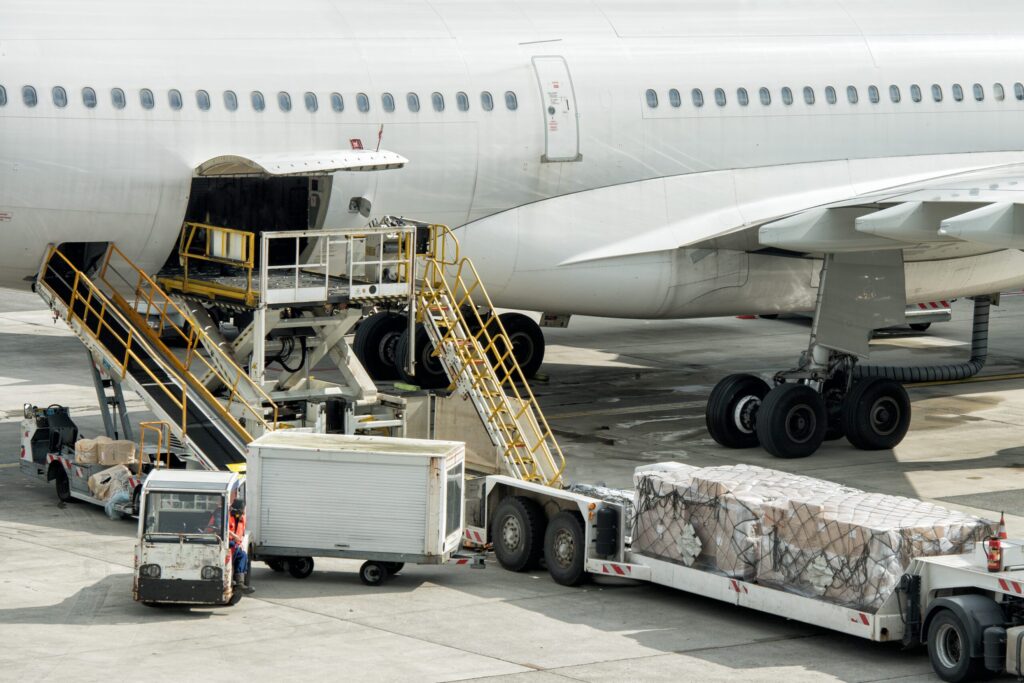
Air freight rates vary based on weight, dimensions, origin, and destination. On average:
| Cargo Weight/Type | Estimated Cost per KG (USD) | Transit Time | Notes |
|---|---|---|---|
| General Cargo (100–300 kg) | $4.5 – $6.5 | 3–6 days | Most common shipment size |
| Heavy Cargo (300–500 kg) | $4.0 – $5.8 | 3–6 days | Bulk discounts apply |
| Express Cargo (<100 kg) | $6.5 – $9.0 | 1–3 days | Priority service |
Note: Rates fluctuate depending on fuel, seasonality, and airline capacity.
4. What Factors Affect an Air Freight Quote China to Australia?
Several variables influence pricing:
- Weight & Volume: Airlines charge by chargeable weight (volumetric vs actual).
- Route & Airline: Direct flights cost more but save time.
- Seasonality: Peak periods (pre-Christmas, Chinese New Year) raise rates.
- Customs Requirements: Extra documents may add clearance fees.
- Additional Services: Insurance, pick-up, and delivery increase total cost.
5. Which Airports Are Best for Air Freight China to Australia?
| Origin Airport (China) | Destination Airport (Australia) | Frequency | Average Transit Time |
|---|---|---|---|
| Shanghai (PVG) | Sydney (SYD) | Daily | 3–4 days |
| Guangzhou (CAN) | Melbourne (MEL) | Daily | 3–5 days |
| Shenzhen (SZX) | Brisbane (BNE) | 3–5/week | 4–6 days |
| Beijing (PEK) | Perth (PER) | 3–4/week | 5–7 days |
6. What Documents Are Required for Air Freight to Australia?
| Document | Purpose |
|---|---|
| Commercial Invoice | Declares value & details of goods |
| Packing List | Details number of cartons/pallets |
| Air Waybill (AWB) | Proof of shipment contract |
| Import Declaration | Required by Australian Customs |
| Certificates (if needed) | E.g., fumigation, origin certificate |
Without correct paperwork, clearance delays or penalties may occur.
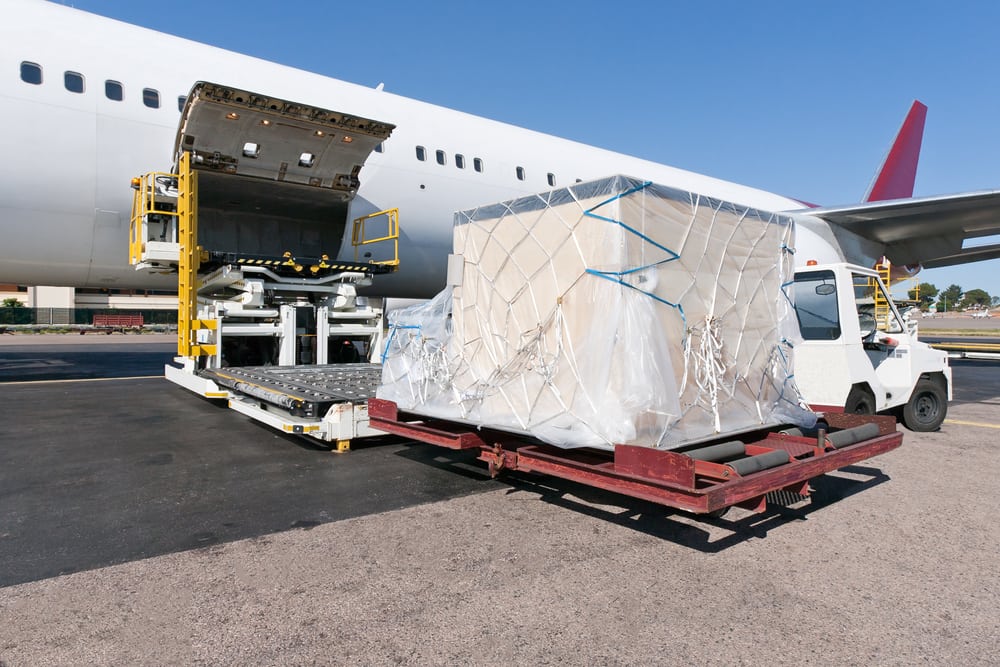
7. Air Freight vs. Sea Freight vs. Courier: Which Should You Choose?
| Mode | Cost | Transit Time | Best For | Pros | Cons |
|---|---|---|---|---|---|
| Air Freight | $$$ | 3–7 days | Medium-large urgent shipments | Fast, secure | Higher cost |
| Sea Freight | $ | 20–35 days | Large/bulky cargo | Cheapest for volume | Slow |
| Courier | $$$$ | 1–3 days | Small parcels (<100kg) | Door-to-door, fastest | Most expensive |
8. How to Calculate Chargeable Weight in Air Freight?
Airlines use the greater of actual weight vs volumetric weight:
Formula: (Length × Width × Height in cm) ÷ 6000 = Volumetric Weight (kg)
Example: 100 × 80 × 60 cm = 480,000 ÷ 6000 = 80 kg chargeable weight.
9. Common Challenges When Shipping China to Australia
- Peak Season Congestion – rates rise sharply before Chinese New Year.
- Customs Delays – incorrect HS codes or missing permits.
- Weight Miscalculation – leading to unexpected surcharges.
- Restricted Items – such as batteries, chemicals, or perishables requiring special handling.
However, working with an experienced freight forwarder minimizes risks.
10. How to Get the Best Air Freight Quote from China to Australia?
- Book Early – secure lower rates before peak season.
- Consolidate Shipments – combine smaller shipments to save cost.
- Choose Right Airport – select the nearest major hub for efficiency.
- Work with Trusted Forwarder – professional agents simplify customs and reduce delays.
📦Get a Free Quote
With years of experience in air freight from China to Australia, we provide cost-effective solutions, transparent pricing, and reliable service. Whether you need airport-to-airport or door-to-door delivery, we ensure your cargo arrives safely and on time. Contact us today for your air freight quote China to Australia and get tailored options to fit your business needs.
❓ Frequently Asked Questions
1. How long does air freight take from China to Australia?
Typically, 3–7 days depending on the route, airline schedule, and customs clearance. Priority services may deliver in 1–3 days.
2. What is the cheapest way to ship from China to Australia?
Sea freight is cheapest, but slower. For time-sensitive goods, consolidated air freight balances cost and speed.
3. Do I need insurance for air freight?
Yes, it’s recommended. Insurance protects against loss or damage, especially for high-value or fragile cargo.
4. Can I ship batteries or hazardous goods by air freight?
Yes, but strict IATA regulations apply. Special packaging, labeling, and documentation are required.
5. How is customs duty calculated in Australia?
Duties are based on product HS codes, declared value, and applicable trade agreements. GST may also apply.
Conclusion
Securing the right air freight quote China to Australia is essential for cost control, efficiency, and smooth logistics. By understanding cost drivers, required documents, and shipping options, businesses can make informed decisions. Partnering with a reliable freight forwarder ensures faster transit, fewer delays, and competitive rates.