

- By kelly
- September 15, 2025
- Logistics Guide
Shipping China to Australia: Complete 2025 Guide
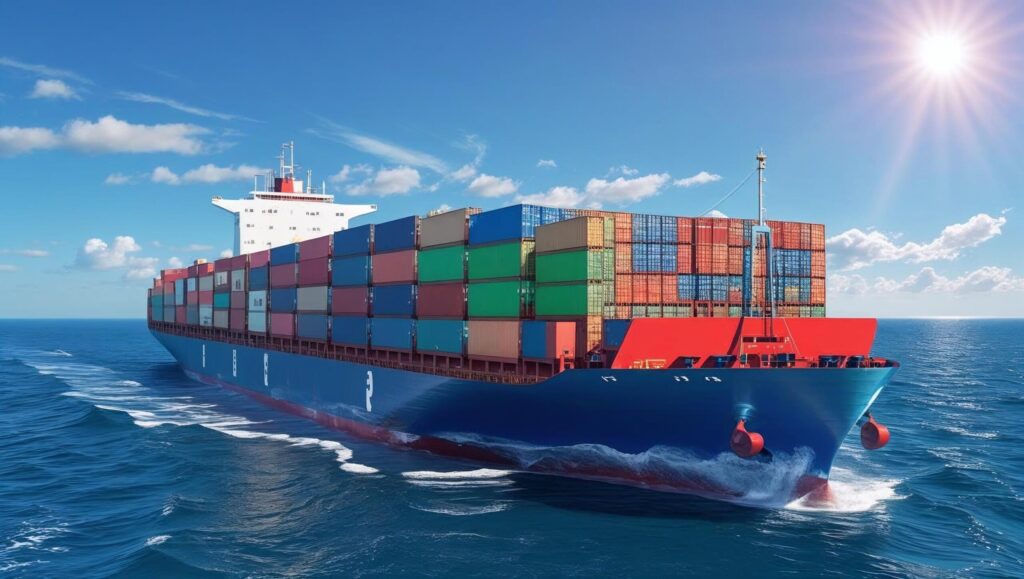
Efficient shipping China to Australia is crucial for importers balancing costs, transit time, and customs compliance. Whether you’re moving small parcels or full containers, knowing your options helps avoid delays and unnecessary expenses. This guide covers freight methods, pricing, transit times, and compliance tips to streamline your logistics.
1. What Are the Main Shipping Options from China to Australia?
There are several reliable transport methods when shipping from China to Australia:
| Method | Transit Time | Average Cost | Best For | Pros | Cons |
|---|---|---|---|---|---|
| Sea Freight (FCL) | 20–30 days | $2,000–$3,500 per 20ft container | Large cargo | Cheapest for volume | Longest lead time |
| Sea Freight (LCL) | 25–35 days | $80–$120 per CBM | Small shipments | Flexible, cost-sharing | Longer handling |
| Air Freight | 5–12 days | $6–$10 per kg | Urgent goods | Faster delivery | Higher cost |
| Express Courier | 3–7 days | $8–$15 per kg | Small parcels | Door-to-door, fast | Limited volume |
2. Why Is Sea Freight Popular for Shipping China to Australia?
Sea freight dominates because:
- It’s the most cost-effective option for large volumes.
- Australia’s ports (Sydney, Melbourne, Brisbane, Fremantle) have direct links to major Chinese hubs.
- It accommodates FCL and LCL shipments with flexible schedules.
However, it is slower, so businesses must plan inventory cycles in advance.
3. How Does Air Freight Compare for China–Australia Trade?
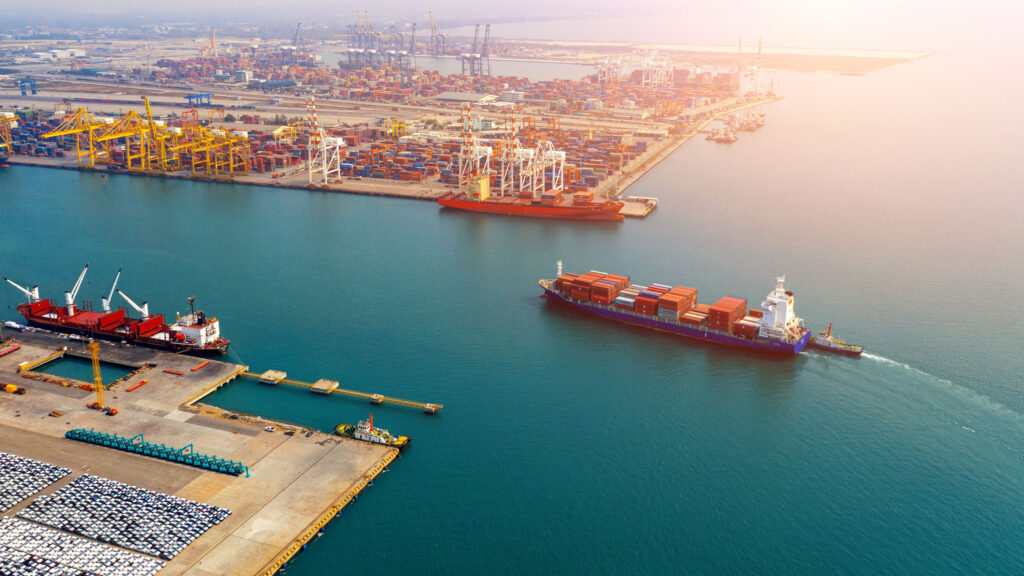
Air freight is ideal for high-value, time-sensitive cargo such as electronics, pharmaceuticals, and fashion.Advantages:
- Faster than sea freight (5–12 days).
- Reliable schedules and fewer delays.
- Better security for fragile or perishable goods.
Disadvantages:
- Costs can be 5–7 times higher than sea.
- Weight and size restrictions apply.
4. What Are the Transit Times by Destination?
| Origin Port/Airport (China) | Destination (Australia) | Sea Transit | Air Transit |
|---|---|---|---|
| Shanghai (Port) | Sydney | 20–25 days | 6–8 days |
| Ningbo (Port) | Melbourne | 22–28 days | 6–9 days |
| Shenzhen (Port) | Brisbane | 18–24 days | 5–7 days |
| Guangzhou (Air) | Perth | — | 5–6 days |
Transit times depend on season, carrier, and customs clearance.
5. How Much Does Shipping from China to Australia Cost?
| Shipment Size | Estimated Cost (USD) | Notes |
|---|---|---|
| 20ft Container (FCL) | $2,000 – $3,500 | Seasonal changes affect rates |
| 40ft Container (FCL) | $3,800 – $6,000 | More cost-effective per CBM |
| LCL (per CBM) | $80 – $120 | Ideal for smaller cargo |
| Air Freight (per kg) | $6 – $10 | Rates vary by airline |
| Courier (per kg) | $8 – $15 | Includes door-to-door service |
6. What Documents Are Required for Shipping?
| Document | Purpose |
|---|---|
| Commercial Invoice | Declares value and description of goods |
| Packing List | Specifies package contents and dimensions |
| Bill of Lading (B/L) or Air Waybill (AWB) | Contract of carriage |
| Import Declaration (Australia) | Customs clearance requirement |
| Certificates (if applicable) | E.g., fumigation or origin certificate |
Errors in paperwork often cause delays at customs, so accuracy is critical.
7. How Do Customs Duties and Taxes Work in Australia?
Australia charges:
- Import duty: Based on HS codes.
- GST (Goods and Services Tax): 10% on most imports.
- Customs processing fees.
Moreover, free trade agreements (FTAs) between China and Australia may reduce or eliminate duties for eligible goods.
8. Should You Choose FCL or LCL for Sea Freight?
| Option | Best For | Pros | Cons |
|---|---|---|---|
| FCL (Full Container Load) | Large cargo | Faster, secure, cost-efficient per CBM | Higher upfront cost |
| LCL (Less than Container Load) | Small shipments | Affordable for low volumes | Slower handling, possible damage |
9. What Are the Pros and Cons of Courier Services?
- Pros: Fastest option, door-to-door, great for small parcels and e-commerce shipments.
- Cons: Expensive for bulk shipments, limited to package-size restrictions.
Therefore, courier is best for e-commerce sellers shipping small, frequent orders.
10. How to Reduce Shipping Costs from China to Australia?
- Book early to lock in better rates.
- Consolidate shipments to save per-unit costs.
- Choose the right mode (sea for bulk, air for urgent).
- Work with experienced freight forwarders to avoid hidden charges.
- Leverage FTAs for reduced duties.
11. How Do You Select the Right Freight Forwarder?
When choosing a logistics partner:
- Check their experience in China–Australia trade.
- Ensure customs clearance expertise.
- Confirm real-time tracking availability.
- Look for flexible solutions (FCL, LCL, air, courier).
- Verify transparent pricing.
📦Get a Free Quote
Working with a professional partner for shipping China to Australia ensures cost-effective, on-time, and compliant deliveries. We provide tailored sea, air, and courier freight solutions, including customs clearance and door-to-door services. Contact us today for a competitive quote and simplify your logistics process.
❓ Frequently Asked Questions
1. How long does shipping from China to Australia take?
Sea freight takes 20–35 days, while air freight delivers in 5–12 days. Couriers take 3–7 days.
2. What is the cheapest way to ship from China to Australia?
Sea freight (FCL or LCL) is the most affordable option, especially for large and heavy shipments.
3. Do I need insurance for my shipment?
Yes, insurance is strongly recommended to protect against damage, loss, or delays during transport.
4. What is the difference between FCL and LCL shipping?
FCL uses a full container for one shipper, while LCL consolidates cargo from multiple shippers.
5. Are there restricted items when importing to Australia?
Yes, items like food, plants, and hazardous materials may need special permits or face import restrictions.
Conclusion
Efficient shipping China to Australia requires balancing speed, cost, and compliance. Sea freight suits bulk shipments, while air and courier offer faster delivery for urgent or small cargo. Choosing the right mode and working with an experienced freight forwarder ensures smooth customs clearance, reduced costs, and reliable delivery schedules.