

- By kelly
- September 15, 2025
- Logistics Guide
Freight Charges from China to India by Sea: Complete Shipping Cost & Transit Guide
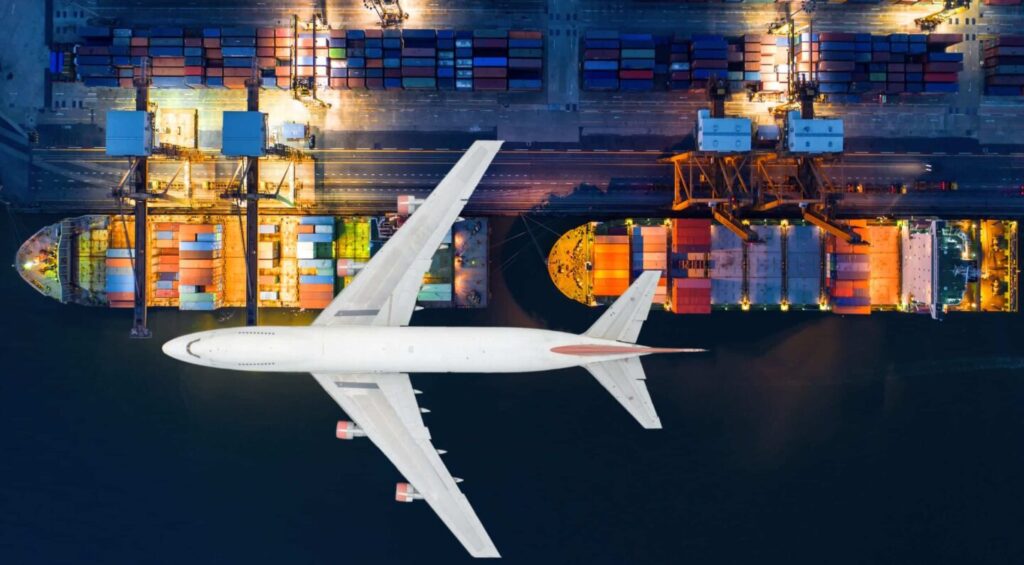
Shipping goods between China and India is one of the busiest trade routes in Asia, and many importers ask: what are the real freight charges from China to India by sea? With fluctuating container rates, customs clearance complexities, and varying transit times, it is crucial to understand all cost components before booking. This guide breaks down sea freight pricing, container sizes, delivery schedules, customs requirements, and comparisons with other modes of transport to help businesses secure the most affordable and reliable shipping solutions.
1.Why Choose Sea Freight from China to India?
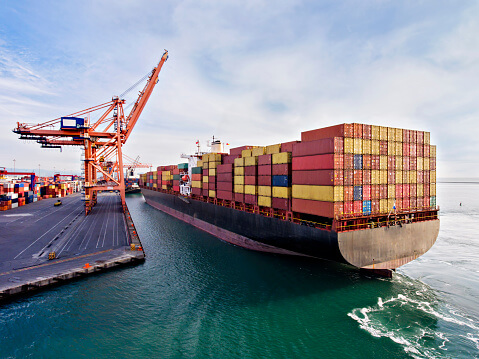
Sea freight is the most cost-effective way to move bulk shipments from China to India. While air cargo offers speed, and rail freight provides balance, sea freight dominates because:
- It accommodates large cargo volumes at lower costs.
- Major Indian ports like Mumbai, Chennai, and Kolkata have direct sailings from Chinese hubs such as Shanghai and Shenzhen.
- It supports both FCL (Full Container Load) and LCL (Less than Container Load) shipping options.
2. How Are Freight Charges from China to India by Sea Calculated?
Freight charges are not flat rates—they depend on several factors:
- Container type & size (20ft, 40ft, 40HQ).
- Cargo volume/weight (measured in CBM or metric tons).
- Port of loading and destination.
- Incoterms (FOB, CIF, DAP, DDP).
- Seasonal demand and global fuel surcharges.
- Customs duties, taxes, and port handling charges.
3. Typical Container Freight Charges (China → India)
| Container Size | Average Cost (USD) | Best For | Transit Time (Days) |
|---|---|---|---|
| 20ft FCL | $650 – $1,000 | Small to medium shipments | 18 – 22 |
| 40ft FCL | $1,100 – $1,800 | Medium to large shipments | 18 – 22 |
| 40ft HQ | $1,200 – $2,000 | High volume cargo | 18 – 22 |
| LCL (per CBM) | $90 – $150 | Less than container load | 20 – 25 |
Note: Prices fluctuate with global shipping trends, fuel rates, and peak seasons.
4. What Is the Average Transit Time by Sea?
Transit time depends on both origin and destination ports.
| Route | Estimated Transit Time (Days) |
|---|---|
| Shanghai to Mumbai | 18 – 20 |
| Shenzhen to Chennai | 19 – 21 |
| Ningbo to Kolkata | 20 – 22 |
| Qingdao to Nhava Sheva | 21 – 23 |
Moreover, customs clearance and port congestion may add 2–3 days.
5. What Are the Extra Costs Beyond Freight Rates?
When calculating freight charges from China to India by sea, you must include:
- Customs clearance fees (import/export documentation).
- Terminal handling charges (THC) at ports.
- Bill of lading (B/L) fees.
- Insurance (CIF shipments).
- Delivery charges (last-mile transport in India).
6. FCL vs LCL: Which Is Cheaper?
| Mode | Cost Efficiency | Transit Time | Pros | Cons |
|---|---|---|---|---|
| FCL | Cheaper per unit for bulk cargo | Faster (direct) | Dedicated container, less risk of damage | Requires higher cargo volume |
| LCL | Cheaper for small shipments | Slightly longer (consolidation required) | Flexible, no need for full container | Higher handling, risk of cargo damage |
7. How Do Sea Freight Costs Compare with Air & Rail?
| Mode | Average Cost (per kg or container) | Transit Time | Best Use Case |
|---|---|---|---|
| Sea Freight | $650–$2,000 per container | 18–25 days | Bulk shipments, cost-sensitive goods |
| Air Freight | $5–$8 per kg | 3–7 days | Urgent, high-value cargo |
| Rail Freight | $2,500–$4,000 per container | 14–18 days | Balanced speed and cost |
Therefore, sea freight remains the most economical option for non-urgent, high-volume goods.
8. Customs Requirements When Shipping from China to India
To avoid delays, you need proper customs documentation.
Checklist of Common Documents:
- Commercial Invoice
- Packing List
- Bill of Lading
- Importer Exporter Code (IEC, India)
- Letter of Credit (if applicable)
- Insurance Certificate
Additionally, India has strict import regulations on electronics, textiles, and pharmaceuticals, requiring special permits.
9. Factors That Influence Rate Fluctuations
- Global demand and supply imbalance (peak holiday seasons).
- Fuel price surcharges.
- Congestion at Indian ports (Nhava Sheva, Chennai).
- Trade policies & tariffs.
- COVID-19 and geopolitical disruptions (affecting vessel schedules).
10. How to Reduce Freight Charges from China to India by Sea?
- Book early to secure lower rates.
- Choose FCL if cargo volume justifies it.
- Use freight forwarders with consolidation services.
- Avoid peak shipping seasons.
- Leverage long-term contracts with carriers.
11. Do You Need a Freight Forwarder for China–India Trade?
Yes, because a freight forwarder handles end-to-end logistics, including:
- Negotiating competitive sea freight rates.
- Coordinating customs clearance in China and India.
- Managing warehousing and delivery schedules.
- Providing door-to-door shipping (DDP, DAP).
This ensures seamless supply chain management and lower risks of hidden costs.
12.Cost Components: Sample Shipping Scenario
Example: Shipping 10 tons of machinery from Shanghai to Mumbai (FCL, 40ft container).
| Cost Element | Estimated Cost (USD) |
|---|---|
| Ocean Freight | $1,400 |
| Customs Clearance (both sides) | $250 |
| Port Handling Charges | $180 |
| Insurance | $120 |
| Inland Transport (India) | $300 |
| Total Estimated Cost | $2,250 |
13.Key Benefits of Sea Freight from China to India
- Cost efficiency for bulk shipments.
- Flexible container options (FCL & LCL).
- Strong port connectivity across Asia.
- Reliable schedules for supply chain planning.
📦Get a Free Quote
Looking to lower your freight charges from China to India by sea? Partner with an experienced logistics provider who understands container rates, customs procedures, and delivery timelines. Contact us today for a tailored shipping quote and ensure smooth, cost-effective cargo movement for your business.
❓ Frequently Asked Questions
Q1: What is the cheapest way to ship from China to India?
Sea freight via FCL is usually the cheapest option for bulk shipments, while LCL works best for smaller cargo.
Q2: How long does sea freight from China to India take?
Transit times range from 18 to 25 days depending on ports, with an additional 2–3 days for customs clearance.
Q3: Do sea freight charges include customs duties?
No. Duties, taxes, and clearance fees are separate from base freight charges and depend on cargo type.
Q4: Can I track my sea freight shipment?
Yes. Most carriers and freight forwarders provide online container tracking using bill of lading numbers.
Q5: How can I reduce shipping costs from China to India?
Book early, choose FCL if volume allows, and work with forwarders offering consolidated LCL services.
Conclusion
Understanding freight charges from China to India by sea is essential for businesses seeking cost-effective logistics. While rates vary by container size, port, and season, sea freight remains the most economical choice for large shipments. By planning ahead, consolidating cargo, and working with a reliable freight forwarder, you can save costs, reduce delays, and optimize your supply chain.