

- By kelly
- September 15, 2025
- Logistics Guide
Freight Cost from China to Australia: Complete Guide on Shipping Prices & Transit Times
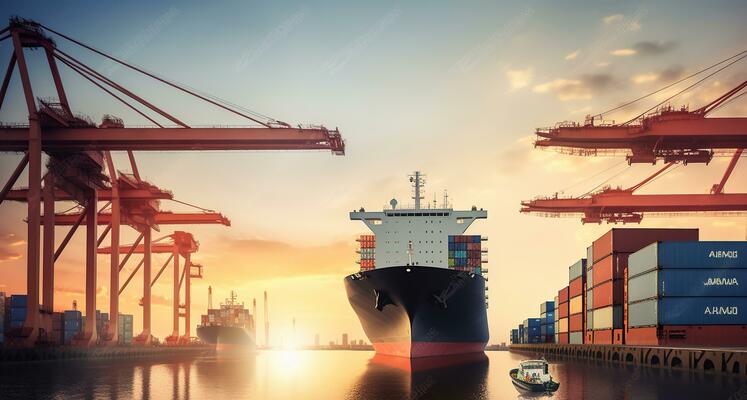
When planning imports, businesses often worry about the freight cost from China to Australia because shipping prices fluctuate due to fuel surcharges, customs fees, and seasonal demand. However, with the right freight method and forwarder, companies can optimize costs and avoid delays. This guide explains shipping options, average costs, transit times, and customs documentation.
What Are the Main Freight Options from China to Australia?
Businesses can choose sea freight, air freight, courier/express shipping, and in some cases multimodal solutions. Each option differs in cost, speed, and suitability.
| Method | Average Cost | Transit Time | Best For | Pros | Cons |
|---|---|---|---|---|---|
| Sea Freight (FCL/LCL) | $1,200–$3,000/container | 18–30 days | Bulk cargo | Economical, reliable | Slow |
| Air Freight | $5–$9 per kg | 3–7 days | Urgent goods | Fast, secure | Expensive |
| Courier (DHL, FedEx, UPS) | $8–$15 per kg | 3–5 days | Small parcels | Door-to-door | High cost |
| Multimodal (Sea-Air) | Variable | 10–15 days | Mixed cargo | Balanced option | Limited routes |
How Much Does Sea Freight Cost from China to Australia?
Sea freight is the most common shipping method for bulk cargo.
| Container Type | Cost Range (USD) | Notes |
|---|---|---|
| 20ft Container (FCL) | $1,200–$1,800 | Best for smaller shipments |
| 40ft Container (FCL) | $2,200–$3,000 | Economical for large volumes |
| LCL (per CBM) | $120–$180 | Pay for shared container space |
Therefore, sea freight is the most affordable for importers moving heavy goods like furniture, machinery, and textiles.
How Much Does Air Freight Cost from China to Australia?
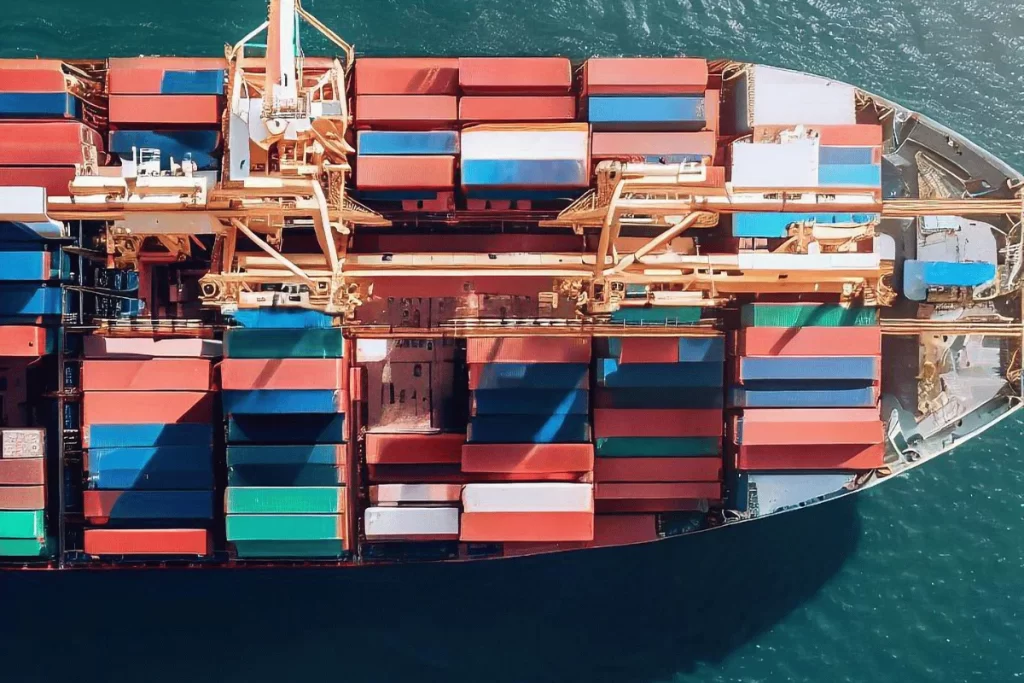
Air freight is ideal for urgent or high-value shipments.
| Weight Bracket | Cost (USD per kg) | Transit Time |
|---|---|---|
| 100–300 kg | $6–$8 | 3–5 days |
| 300–500 kg | $5.50–$7.50 | 3–6 days |
| 500 kg+ | $5–$6 | 5–7 days |
Air freight is best for electronics, luxury goods, and perishable items, but costs can rise sharply during peak seasons.
How Much Do Courier Services Cost?
Courier services are suitable for parcels under 100 kg.
| Courier | Cost (USD per kg) | Transit Time |
|---|---|---|
| DHL | $9–$12 | 3–5 days |
| FedEx | $8–$11 | 3–6 days |
| UPS | $10–$15 | 3–5 days |
Additionally, courier services include door-to-door delivery and customs clearance, making them convenient for e-commerce shipments.
Which Ports and Airports Connect China and Australia?
Major Chinese Ports:
- Shanghai, Ningbo, Shenzhen, Qingdao, Guangzhou
Australian Ports:
- Sydney, Melbourne, Brisbane, Fremantle
Major Airports in China:
- Shanghai Pudong (PVG), Beijing Capital (PEK), Guangzhou (CAN)
Major Airports in Australia:
- Sydney (SYD), Melbourne (MEL), Brisbane (BNE), Perth (PER)
These ports and airports provide direct connections that reduce transit times and costs.
What Customs Documents Are Required for Shipping?
| Document | Purpose |
|---|---|
| Bill of Lading / Airway Bill | Proof of shipment |
| Commercial Invoice | Declares cargo value |
| Packing List | Itemized shipment details |
| Certificate of Origin | Confirms manufacturing country |
| Import Declaration | Required for Australian customs |
| Insurance Certificate | Protects goods during transit |
Moreover, some goods such as food, chemicals, and medical equipment require import permits from Australian authorities.
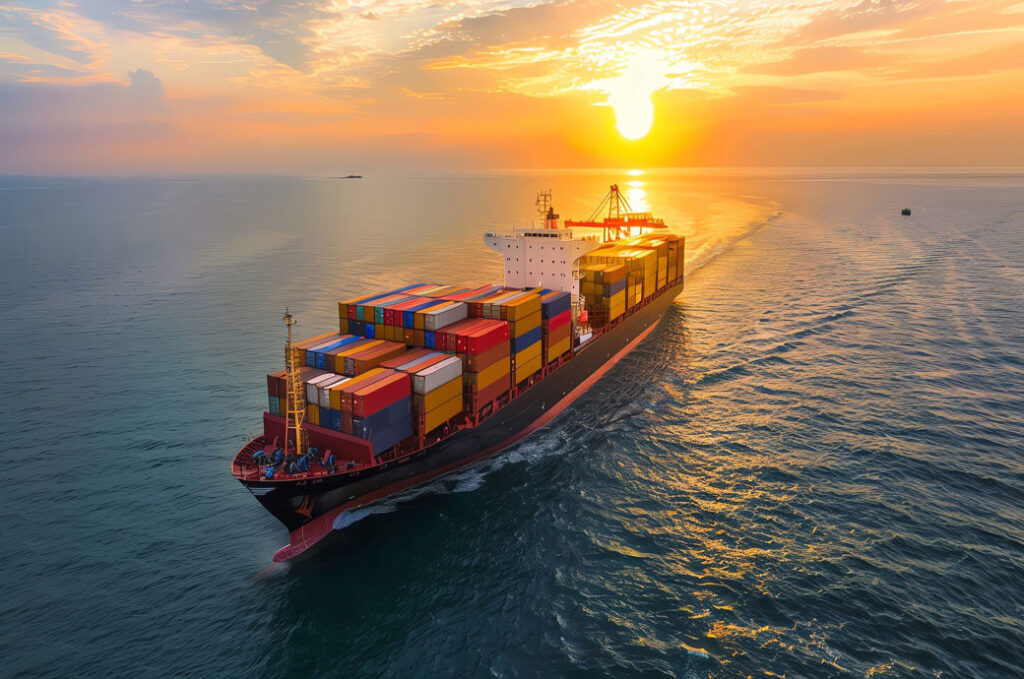
How Long Does Freight Take from China to Australia?
| Method | Transit Time | Notes |
|---|---|---|
| Sea Freight (FCL) | 18–25 days | From Shenzhen or Shanghai |
| Sea Freight (LCL) | 20–30 days | Includes consolidation time |
| Air Freight | 3–7 days | Fastest but costly |
| Courier | 3–5 days | Door-to-door convenience |
Therefore, the choice depends on whether speed or cost is more important.
What Factors Influence Freight Cost from China to Australia?
- Cargo weight and size: Heavier shipments cost more.
- Incoterms (FOB, CIF, DAP, DDP): Determine responsibility for costs.
- Customs duties and taxes: Australia imposes tariffs on certain imports.
- Fuel surcharges: Rising fuel costs impact air and sea rates.
- Seasonality: Costs spike during holiday seasons.
- Type of cargo: Hazardous or oversized items cost more.
Should You Choose FCL or LCL Shipping?
- FCL (Full Container Load): Best for large cargo, lower cost per unit, less handling.
- LCL (Less than Container Load): Best for small cargo, shared cost, but slower handling.
| Factor | FCL | LCL |
|---|---|---|
| Cost per CBM | Lower | Higher |
| Handling | Less | More |
| Risk of Damage | Lower | Higher |
| Speed | Faster | Slower |
Is Air Freight Better Than Sea Freight?
| Factor | Air Freight | Sea Freight |
|---|---|---|
| Cost | High | Low |
| Speed | 3–7 days | 18–30 days |
| Reliability | High | Moderate |
| Best For | Urgent, high-value cargo | Heavy, bulk shipments |
Air freight is best when time is critical, but sea freight remains the cost-effective choice for most imports.
How to Reduce Freight Costs from China to Australia?
- Ship in bulk using FCL to reduce per-unit cost.
- Plan shipments outside of peak seasons.
- Use consolidation services for small loads.
- Work with reliable freight forwarders for better rates.
- Compare air and sea freight depending on cargo type.
📦Get a Free Quote
China Top Freight provides competitive freight cost from China to Australia with sea, air, and courier services. Our team ensures fast customs clearance, real-time tracking, and cost-effective solutions tailored to your business. Contact us today for a free shipping quote.
❓ Frequently Asked Questions
Q1: What is the cheapest shipping method from China to Australia?
Sea freight is usually the cheapest, especially for full container loads, although it takes longer than air or courier services.
Q2: How much does it cost to ship a 20ft container from China to Australia?
On average, $1,200–$1,800 depending on port of loading, destination, and market conditions.
Q3: How much does air freight cost per kg from China to Australia?
Typically $5–$9 per kg, with discounts available for shipments above 500 kg.
Q4: Do I need an import license for goods in Australia?
Some restricted items like food, chemicals, or medical goods require an import permit, but most products only need customs clearance.
Q5: How long does customs clearance take in Australia?
Usually 1–3 working days if documents are correct, but delays may occur for inspections or restricted cargo.
Conclusion
The freight cost from China to Australia varies depending on cargo size, method of shipping, and customs requirements. Sea freight remains the most affordable, while air freight and couriers provide faster solutions. Moreover, choosing the right forwarder, planning shipments strategically, and understanding customs rules help businesses save money and avoid delays. Partnering with a professional logistics provider ensures smooth and cost-effective supply chain management.