

- By kelly
- September 15, 2025
- Logistics Guide
Freight Cost from China to UK: Complete Guide on Prices, Transit & Customs
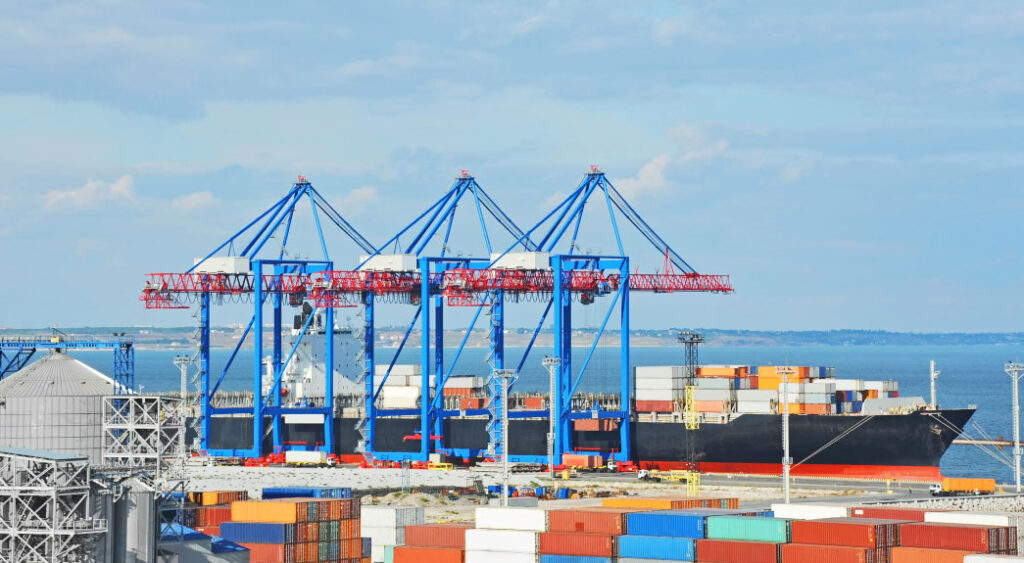
Understanding the freight cost from China to UK is critical for importers who want to manage expenses, delivery schedules, and customs challenges. However, prices vary widely depending on shipping method, cargo size, and season. This guide explains costs, timelines, and requirements, helping you choose the most efficient logistics solution.
What Shipping Methods Are Available from China to the UK?
Businesses can choose among sea freight, air freight, courier/express, and rail freight. Each offers unique benefits.
| Shipping Method | Cost Estimate | Transit Time | Best For | Pros | Cons |
|---|---|---|---|---|---|
| Sea Freight (FCL/LCL) | $1,300–$3,200 | 25–40 days | Bulk cargo | Cheapest, reliable | Slow |
| Air Freight | $5–$8 per kg | 5–9 days | Urgent cargo | Fast, secure | Expensive |
| Rail Freight | $3,500–$6,000/40ft | 18–25 days | Mid-sized cargo | Balanced cost/time | Limited routes |
| Courier (DHL/FedEx/UPS) | $7–$15 per kg | 3–6 days | Small parcels | Door-to-door | High per-kg cost |
Sea Freight Cost from China to the UK
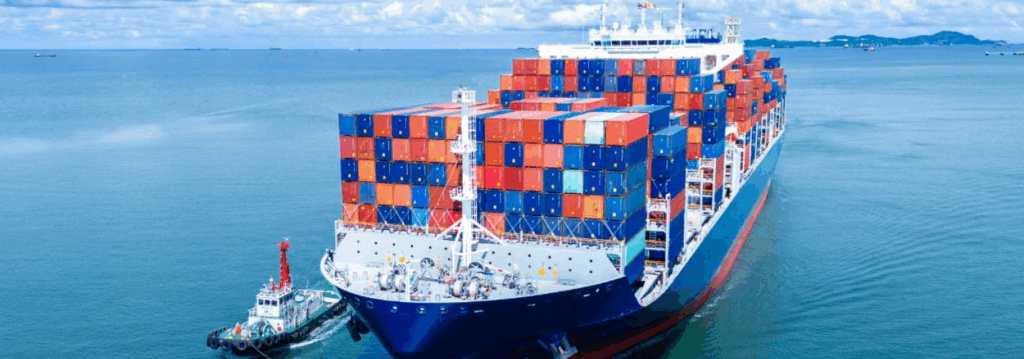
Sea freight is the most popular choice for bulk imports.
| Container Type | Average Cost (USD) | Notes |
|---|---|---|
| 20ft FCL | $1,300–$1,800 | Best for smaller bulk shipments |
| 40ft FCL | $2,200–$3,200 | Economical for large volumes |
| LCL (per CBM) | $120–$160 | Ideal for shipments under 12 CBM |
Sea freight is ideal for heavy items like furniture, machinery, and textiles.
Air Freight Cost from China to the UK
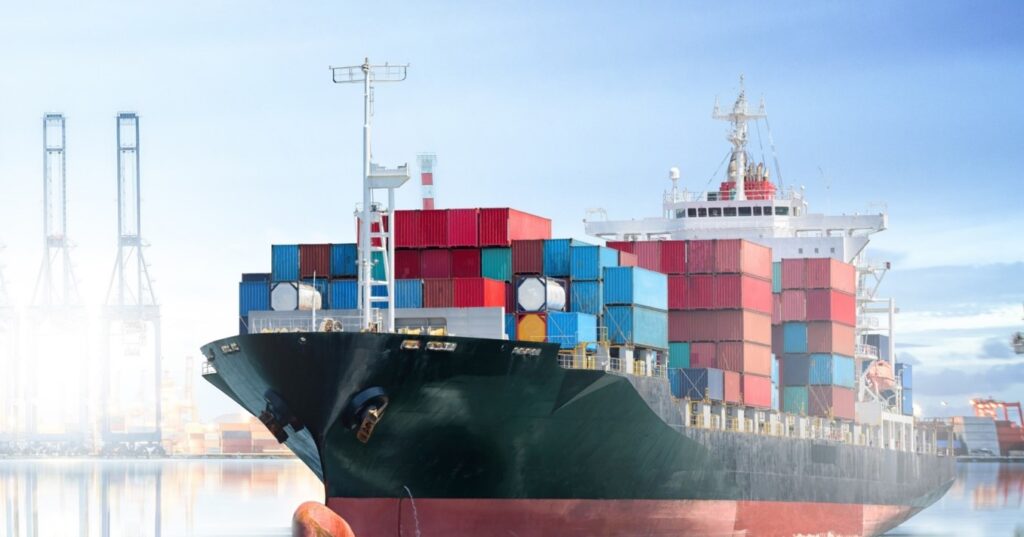
Air freight is faster but significantly costlier.
| Weight Bracket | Cost per kg (USD) | Transit Time |
|---|---|---|
| 100–300 kg | $6–$8 | 5–7 days |
| 300–500 kg | $5.50–$7 | 6–8 days |
| 500+ kg | $5–$6 | 7–9 days |
Therefore, air freight suits high-value or time-sensitive cargo such as electronics and fashion items.
Courier Services Cost from China to the UK
Couriers provide convenience for smaller shipments under 100 kg.
| Courier Service | Cost per kg (USD) | Delivery Time |
|---|---|---|
| DHL | $9–$12 | 3–5 days |
| FedEx | $8–$11 | 3–6 days |
| UPS | $10–$15 | 3–6 days |
Additionally, courier services handle customs clearance, making them attractive for e-commerce sellers.
What About Rail Freight from China to the UK?
Rail freight is an alternative combining cost-effectiveness and moderate speed.
| Route | Average Cost (40ft) | Transit Time |
|---|---|---|
| China–UK (via Europe) | $3,500–$6,000 | 18–25 days |
Moreover, rail is eco-friendlier than air and faster than sea, but it has limited availability.
Which Ports and Airports Connect China and the UK?
Major Chinese Ports:
- Shanghai, Ningbo, Shenzhen, Qingdao, Guangzhou
Major UK Ports:
- Felixstowe, Southampton, London Gateway, Liverpool
Major Chinese Airports:
- Shanghai Pudong (PVG), Beijing Capital (PEK), Guangzhou (CAN)
Major UK Airports:
- London Heathrow (LHR), Manchester (MAN), Birmingham (BHX)
These hubs ensure frequent shipping schedules and competitive rates.
What Customs Documents Are Required for UK Imports?
| Document | Purpose |
|---|---|
| Bill of Lading / Airway Bill | Confirms shipment details |
| Commercial Invoice | Declares cargo value |
| Packing List | Itemized shipment data |
| Certificate of Origin | Identifies country of manufacture |
| UK Import Declaration (CHIEF/CDS) | Required by HMRC |
| Insurance Certificate | Protects goods during transit |
Additionally, restricted goods may need licenses or health/safety compliance certificates.
How Long Does Freight Take from China to the UK?
| Method | Transit Time | Notes |
|---|---|---|
| Sea Freight (FCL) | 25–35 days | Longer in peak season |
| Sea Freight (LCL) | 30–40 days | Includes consolidation delays |
| Air Freight | 5–9 days | Fastest but costly |
| Rail Freight | 18–25 days | Moderate cost/speed |
| Courier | 3–6 days | Door-to-door convenience |
What Factors Influence Freight Cost from China to UK?
- Weight & Volume: Higher weight or CBM increases price.
- Incoterms (FOB, CIF, DDP, DAP): Define responsibility for freight and customs costs.
- Customs Duties & VAT: UK charges 20% VAT and duties depending on product classification.
- Fuel Surcharges: Oil prices affect air and sea rates.
- Seasonality: Costs rise during holidays like Chinese New Year or Christmas.
- Cargo Type: Hazardous or oversized items carry premium fees.
Should You Choose FCL or LCL Shipping?
| Factor | FCL | LCL |
|---|---|---|
| Cost per CBM | Lower | Higher |
| Handling | Less | More |
| Risk of Damage | Lower | Higher |
| Speed | Faster | Slower |
- FCL (Full Container Load): Cost-efficient for large shipments.
- LCL (Less than Container Load): Flexible for smaller loads but slower.
Is Air Freight Better Than Sea Freight?
| Factor | Air Freight | Sea Freight |
|---|---|---|
| Cost | High | Low |
| Speed | 5–9 days | 25–40 days |
| Reliability | Very high | Moderate |
| Best For | Urgent, high-value cargo | Bulk shipments |
Therefore, air freight is best for urgent deliveries, while sea remains the go-to for bulk imports.
How to Reduce Freight Costs from China to UK?
- Book shipments early to avoid peak season surcharges.
- Use FCL when possible for lower per-unit costs.
- Consolidate LCL shipments with a trusted forwarder.
- Compare multiple carriers for the best rates.
- Optimize Incoterms to align with supplier agreements.
📦Get a Free Quote
China Top Freight offers tailored freight cost from China to UK solutions through sea, air, rail, and courier shipping. Our expertise in customs clearance and competitive pricing ensures smooth and cost-effective imports. Contact us today for a customized quote and consultation.
❓ Frequently Asked Questions
Q1: What is the cheapest shipping method from China to the UK?
Sea freight is usually the cheapest option, especially full container loads, but transit times are longer than air or courier.
Q2: How much does a 20ft container cost from China to the UK?
On average, $1,300–$1,800 depending on origin port, destination, and seasonal market conditions.
Q3: How much does air freight cost per kg from China to the UK?
Typically between $5–$8 per kg, with lower rates for shipments above 500 kg.
Q4: Do I need a license to import goods into the UK?
Yes, some items like food, chemicals, or medical equipment require permits. Most other goods only require customs clearance.
Q5: How long does customs clearance take in the UK?
Normally 1–3 working days, but it may take longer during inspections or if documents are incomplete.
Conclusion
The freight cost from China to UK depends on the chosen method, shipment size, and customs requirements. Sea freight remains the most affordable for bulk goods, while air freight and couriers provide speed and reliability. Moreover, planning shipments early, choosing the right Incoterms, and working with a professional freight forwarder help reduce expenses and ensure smooth logistics. Partnering with experts ensures your supply chain remains competitive, efficient, and cost-effective.