

- By kelly
- September 15, 2025
- Logistics Guide
Freight Forwarder China to Germany: Complete 2025 Shipping Guide
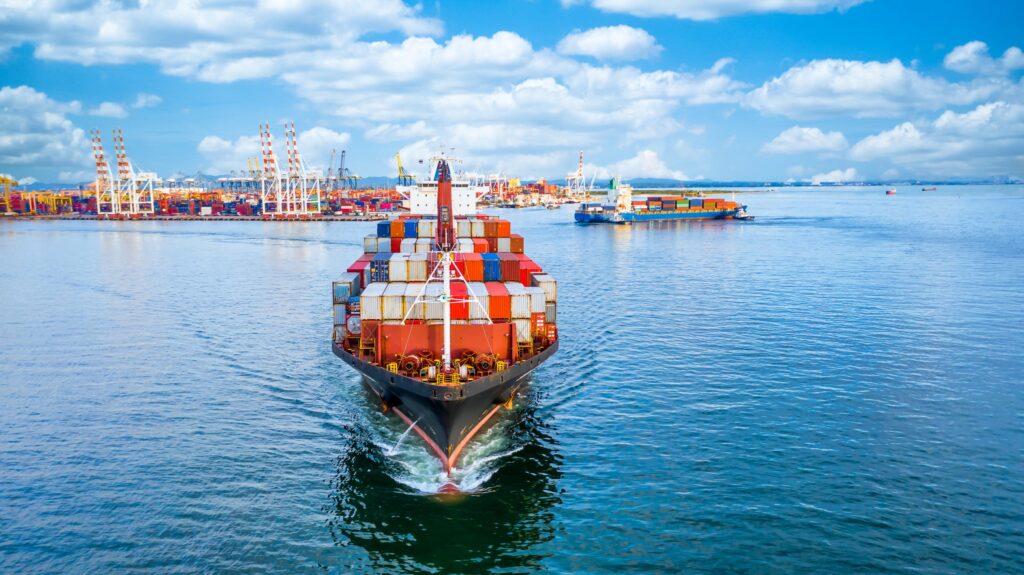
For businesses importing goods to Europe, choosing the right freight forwarder China to Germany is critical. Costs, transit times, and customs processes can make or break your supply chain efficiency. This detailed guide covers shipping options, pricing comparisons, and strategies to optimize your logistics.
What Does a Freight Forwarder China to Germany Do?
A freight forwarder acts as a logistics partner, managing:
- Transportation by sea, air, or rail.
- Cargo consolidation (FCL or LCL).
- Customs clearance in China and Germany.
- Delivery scheduling to warehouses or final customers.
Therefore, a forwarder simplifies complex shipping processes while reducing costs and delays.
How Much Do Sea Freight Costs from China to Germany Average?
Sea freight remains the most popular choice due to its low cost per unit.
| Container Type | Average Cost (USD) | Transit Time | Best For |
|---|---|---|---|
| 20ft FCL | $2,000 – $2,500 | 30–40 days | Small–medium shipments |
| 40ft FCL | $3,600 – $4,200 | 30–40 days | Bulk cargo |
| LCL (per CBM) | $120 – $180 | 35–45 days | Small loads under 15 CBM |
Pros: Affordable, handles large volumes.
Cons: Long lead time, subject to port congestion.
Why Is Air Freight from China to Germany Considered Premium?
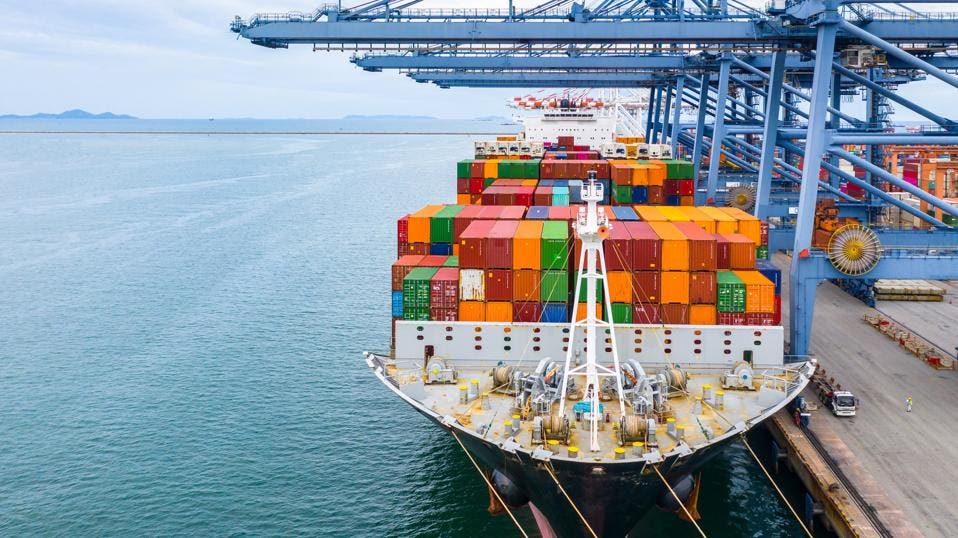
Air freight guarantees speed and reliability, ideal for high-value or urgent goods.
| Weight Range | Cost per kg (USD) | Transit Time | Best Use |
|---|---|---|---|
| 100–300 kg | $5.80 – $7.20 | 5–7 days | Electronics, fast-fashion items |
| 300–500 kg | $4.90 – $6.40 | 5–8 days | Mid-sized urgent cargo |
| 500+ kg | $4.40 – $5.90 | 6–9 days | Large urgent shipments |
Although more expensive, air freight significantly reduces stockout risks.
Can Rail Freight China to Germany Offer a Middle Option?
Rail freight via the China–Europe Railway Express is increasingly popular.
| Shipment Type | Average Cost (USD) | Transit Time | Advantages |
|---|---|---|---|
| 20ft FCL | $3,800 – $4,200 | 18–22 days | Balanced cost & time |
| 40ft FCL | $6,600 – $7,200 | 18–22 days | Reliable alternative |
| LCL | $150 – $220 per CBM | 20–25 days | Flexible for SMEs |
Rail is eco-friendlier than air and faster than sea, making it a strong option.
Should Businesses Use Courier Services for China to Germany?
Courier companies like DHL, UPS, and FedEx are perfect for small shipments.
| Courier | Average Rate (USD/kg) | Transit Time | Benefits |
|---|---|---|---|
| DHL | $7 – $9 | 3–5 days | Fast delivery, smooth customs |
| FedEx | $6 – $8 | 4–6 days | Good coverage |
| UPS | $6 – $8 | 4–7 days | Reliable service |
Couriers simplify customs clearance but are costly for heavy cargo.
What Customs Requirements Apply for Imports into Germany?
Freight forwarders manage customs, but importers must prepare documents.
| Document | Purpose |
|---|---|
| Bill of Lading / Air Waybill | Proof of shipment |
| Commercial Invoice | Declares value and product |
| Packing List | Details of goods |
| Import Licenses | Required for restricted goods |
Key Costs:
- EU VAT: 19% in Germany.
- Customs Duties: Depend on HS code.
Therefore, compliance is essential to avoid penalties or delays.
How Do Transit Times Compare by Shipping Mode?
| Method | Average Transit Time | Notes |
|---|---|---|
| Sea Freight | 30–40 days | Cost-effective, slow |
| Air Freight | 5–9 days | Fastest, expensive |
| Rail Freight | 18–25 days | Balanced solution |
| Courier | 3–7 days | Best for parcels <100 kg |
This breakdown shows the trade-off between speed and cost.
What Are the Pros and Cons of Each Freight Method?
| Method | Pros | Cons |
|---|---|---|
| Sea Freight | Cheapest per unit, high capacity | Long transit times |
| Air Freight | Fast, reliable | Expensive, weight limits |
| Rail Freight | Balanced, eco-friendly | Limited capacity |
| Courier | Simple, door-to-door | High per kg cost |
Choosing depends on shipment size, urgency, and budget.
How Can You Reduce Freight Costs from China to Germany?
- Plan ahead: Book early, especially before peak seasons.
- Consolidate cargo: Use FCL instead of multiple LCL shipments.
- Optimize ports: Choose less congested terminals.
- Negotiate with freight forwarders: Long-term partnerships yield better rates.
- Use multimodal solutions: Combine rail + truck or sea + rail for savings.
Do Freight Rates Change with Seasonality?
Yes, freight rates fluctuate based on:
- Chinese New Year closures (Jan–Feb).
- Peak shipping (Q3–Q4, before holidays).
- Global economic trends (fuel prices, demand spikes).
Importers should schedule shipments outside peak windows to save costs.
📦Get a Free Quote
Partnering with an experienced freight forwarder China to Germany ensures smooth logistics, cost savings, and timely delivery. At China Top Freight, we provide customized sea, air, rail, and courier solutions for businesses of all sizes. Request your tailored shipping quote today.
❓ Frequently Asked Questions
1. How much does sea freight from China to Germany cost in 2025?
A 20ft container costs about $2,000–$2,500, while a 40ft container ranges $3,600–$4,200. LCL shipments cost $120–$180 per CBM.
2. Is air freight from China to Germany reliable?
Yes, air freight takes 5–9 days on average, offering secure and fast delivery for time-sensitive goods, though at higher costs.
3. How long does rail freight from China to Germany take?
Rail freight usually takes 18–25 days, making it faster than sea freight and a cost-effective alternative to air transport.
4. What documents are needed for shipping to Germany?
Key documents include the Bill of Lading, commercial invoice, packing list, and import licenses for restricted or controlled goods.
5. Can small businesses use couriers instead of freight forwarders?
Yes, DHL, UPS, and FedEx provide reliable courier services for shipments under 100 kg with simplified customs clearance.
Conclusion
The right freight forwarder China to Germany balances speed, cost, and reliability across multiple shipping options. Sea freight offers affordability, air provides urgency, rail balances both, and couriers serve smaller parcels. By planning shipments strategically and working with trusted forwarders, businesses can streamline imports and cut logistics costs.