

- By kelly
- September 15, 2025
- Logistics Guide
Freight Forwarder China to India: Complete 2025 Shipping Guide
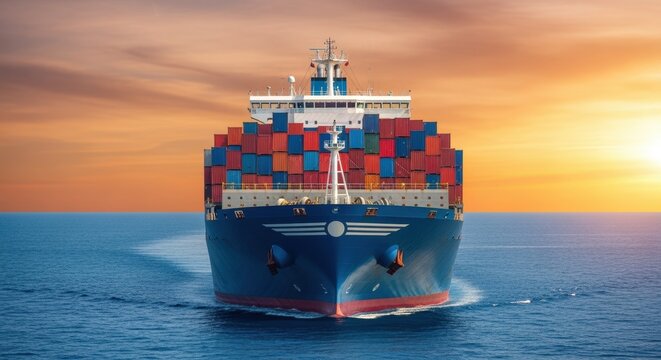
Finding the right freight forwarder China to India is crucial for importers managing costs, customs, and delivery schedules. With multiple shipping methods available, choosing the best option ensures reliability and efficiency. This guide breaks down pricing, transit times, documentation, and cost-saving strategies.
What Does a Freight Forwarder China to India Handle?
A freight forwarder coordinates the entire logistics chain:
- Sea freight, air freight, and rail freight services.
- Customs clearance in China and India.
- Cargo consolidation for FCL and LCL shipments.
- Last-mile delivery to warehouses or distributors.
Therefore, a reliable forwarder minimizes risks and simplifies complex import procedures.
How Much Does Sea Freight from China to India Cost?
Sea freight is the most widely used method for bulk cargo.
| Container Type | Average Cost (USD) | Transit Time | Best For |
|---|---|---|---|
| 20ft FCL | $1,500 – $1,900 | 20–30 days | Medium shipments |
| 40ft FCL | $2,600 – $3,200 | 20–30 days | Large cargo volumes |
| LCL (per CBM) | $90 – $140 | 25–35 days | Smaller shipments |
Pros: Affordable for large shipments.
Cons: Longer transit times compared to air and rail.
Why Choose Air Freight from China to India?
Air freight is ideal for time-sensitive shipments.
| Weight Range | Cost per kg (USD) | Transit Time | Best Use |
|---|---|---|---|
| 100–300 kg | $3.80 – $5.20 | 3–6 days | Electronics, urgent goods |
| 300–500 kg | $3.40 – $4.80 | 4–6 days | Fashion, high-value cargo |
| 500+ kg | $3.00 – $4.20 | 5–7 days | Time-critical shipments |
Although more expensive, air freight reduces risks of stockouts and delays.
Can Rail Freight China to India Be a Smart Choice?
Rail freight is growing in popularity for balanced speed and cost.
| Shipment Type | Average Cost (USD) | Transit Time | Advantages |
|---|---|---|---|
| 20ft FCL | $2,200 – $2,600 | 12–18 days | Faster than sea |
| 40ft FCL | $3,600 – $4,200 | 12–18 days | Cost-effective for medium cargo |
| LCL | $100 – $160 per CBM | 14–20 days | Flexible for SMEs |
Rail combines affordability with faster delivery compared to sea freight.
Should Businesses Use Courier Services for Small Shipments?
For shipments under 100 kg, couriers like DHL, FedEx, and UPS offer door-to-door convenience.
| Courier | Average Rate (USD/kg) | Transit Time | Benefits |
|---|---|---|---|
| DHL | $6 – $8 | 3–5 days | Fast, reliable |
| FedEx | $5 – $7 | 4–6 days | Wide coverage |
| UPS | $5 – $7 | 4–6 days | Simplified customs |
Couriers are best for lightweight, urgent cargo but costly for heavier loads.
What Documents Are Needed for Importing from China to India?
Documentation is essential for smooth customs clearance.
| Document | Purpose |
|---|---|
| Bill of Lading / Air Waybill | Proof of transport |
| Commercial Invoice | Declares product value |
| Packing List | Quantity and packaging details |
| Importer Exporter Code (IEC) | Required for Indian importers |
| Customs Declaration | For Indian authorities |
Therefore, accuracy in paperwork avoids costly penalties.
How Do Transit Times Vary by Method?
| Mode | Average Transit Time | Notes |
|---|---|---|
| Sea Freight | 20–30 days | Best for cost savings |
| Air Freight | 3–7 days | Fast but costly |
| Rail Freight | 12–18 days | Balanced option |
| Courier | 3–6 days | Simplified for small cargo |
Transit times vary based on route, port congestion, and customs clearance efficiency.
What Are the Pros and Cons of Each Freight Method?
| Method | Pros | Cons |
|---|---|---|
| Sea Freight | Low cost, high volume | Slow delivery |
| Air Freight | Fast, reliable | Expensive |
| Rail Freight | Balanced speed & cost | Limited capacity |
| Courier | Door-to-door simplicity | High per kg price |
This comparison helps businesses align shipping mode with supply chain goals
How Can You Reduce Freight Costs from China to India?
- Consolidate shipments to book FCL instead of multiple LCL loads.
- Plan early to avoid peak season surcharges.
- Use multimodal solutions like rail + truck.
- Partner with an experienced freight forwarder for negotiated rates.
- Ship off-season to avoid Chinese New Year and Q4 rush.
By applying these strategies, companies can reduce overall logistics expenses.
Do Freight Costs Fluctuate Seasonally?
Yes, freight costs often rise during:
- Chinese New Year (Jan–Feb).
- Diwali season demand in India.
- Global Q3–Q4 shipping peak.
Therefore, scheduling shipments outside these times can significantly cut costs.
📦Get a Free Quote
Working with a professional freight forwarder China to India ensures efficiency, cost savings, and timely delivery. At China Top Freight, we provide customized sea, air, rail, and courier solutions tailored to your business needs. Contact us today for a competitive freight quote.
❓ Frequently Asked Questions
1. How much does sea freight from China to India cost in 2025?
A 20ft container costs $1,500–$1,900, while a 40ft container ranges $2,600–$3,200. LCL costs $90–$140 per CBM.
2. How long does air freight from China to India take?
Air freight usually takes 3–7 days, depending on the cargo size and departure airport. It is the fastest option available.
3. Is rail freight reliable for China to India shipments?
Yes, rail takes 12–18 days on average, offering a good balance between cost and delivery speed compared to sea or air.
4. What is the Importer Exporter Code (IEC) in India?
The IEC is a mandatory license issued by Indian customs for all importers and exporters engaged in international trade.
5. Which courier is best for small shipments from China to India?
DHL, FedEx, and UPS are leading choices, offering door-to-door service and efficient customs handling for lightweight shipments.
Conclusion
Choosing the right freight forwarder China to India ensures smooth logistics, lower costs, and timely cargo delivery. Sea freight is cost-effective, air freight ensures speed, rail balances both, and couriers simplify small shipments. By planning ahead and partnering with experienced forwarders, businesses can optimize supply chains and remain competitive in 2025.