

- By kelly
- September 16, 2025
- Logistics Guide
Freight Forwarder China to Melbourne: Costs, Transit & Complete Guide
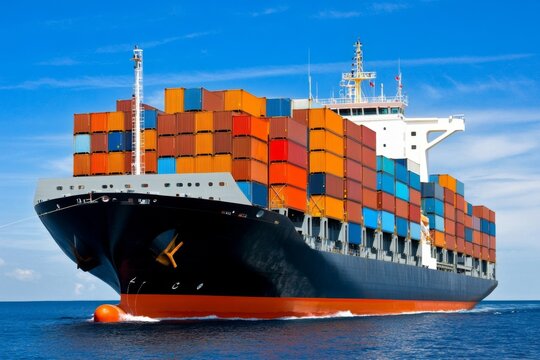
Shipping goods internationally requires careful planning, and finding the right freight forwarder China to Melbourne is crucial for businesses and individuals alike. Whether you’re importing bulk cargo or small consignments, the right forwarder ensures lower costs, faster transit, and hassle-free customs clearance.
1. Why Choose a Freight Forwarder from China to Melbourne?
Selecting a specialized freight forwarder helps you:
- Navigate customs regulations.
- Reduce shipping costs through optimized routes.
- Ensure reliable delivery schedules.
- Access warehousing, consolidation, and door-to-door services.
Moreover, a professional forwarder handles both sea freight and air freight, giving you flexible options depending on your budget and urgency.
2. What Shipping Methods Are Available from China to Melbourne?
The two most common methods are:
- Sea Freight – Suitable for bulk, heavy cargo.
- Air Freight – Best for urgent, high-value goods.
Other options include courier services (DHL, FedEx, UPS) for small parcels and rail freight to coastal ports before sea shipment.
3. How Much Does Shipping from China to Melbourne Cost?
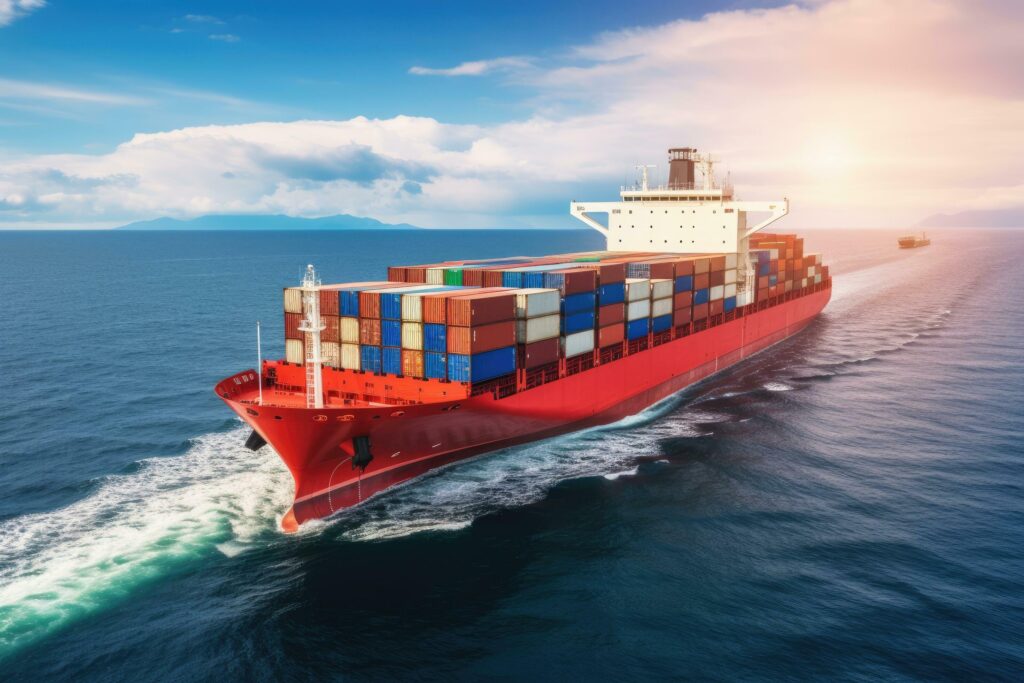
Costs depend on cargo size, weight, and shipping mode. Below is an overview:
| Shipping Method | Average Cost (per CBM / kg) | Transit Time | Best For | Pros | Cons |
|---|---|---|---|---|---|
| Sea Freight (FCL 20ft) | USD 2,200–2,800 | 20–28 days | Bulk cargo | Cost-effective | Longer transit |
| Sea Freight (LCL per CBM) | USD 120–180 | 25–32 days | Small loads | Cheaper for small cargo | Longer clearance |
| Air Freight (per kg) | USD 6–10 | 3–7 days | Urgent goods | Fast delivery | Expensive |
| Courier (per kg) | USD 12–18 | 3–6 days | Small parcels | Door-to-door service | Limited cargo size |
4. What Is the Transit Time from China to Melbourne?
Transit times vary depending on departure port and method:
| Origin Port in China | Transit by Sea | Transit by Air |
|---|---|---|
| Shanghai | 22–26 days | 3–5 days |
| Shenzhen | 20–25 days | 3–4 days |
| Ningbo | 24–28 days | 4–6 days |
| Qingdao | 25–30 days | 5–7 days |
5. Should You Choose FCL or LCL Shipping?
- FCL (Full Container Load): Best for large shipments. One container exclusively for your goods.
- LCL (Less than Container Load): Consolidates multiple shipments into one container. More affordable for smaller loads.
| Option | Ideal For | Benefits | Drawbacks |
|---|---|---|---|
| FCL | 15–28 CBM or more | Faster handling, less risk | Higher cost for small loads |
| LCL | 1–12 CBM | Cost-saving for small cargo | Longer handling and customs |
6. What Documents Are Required for Customs Clearance?
Smooth customs clearance requires accurate documentation.
| Document | Purpose |
|---|---|
| Bill of Lading / Air Waybill | Proof of shipment and ownership |
| Commercial Invoice | Declares value of goods |
| Packing List | Details cargo contents |
| Import Declaration | Filed with Australian Border Force |
| Certificate of Origin | Verifies country of manufacture |
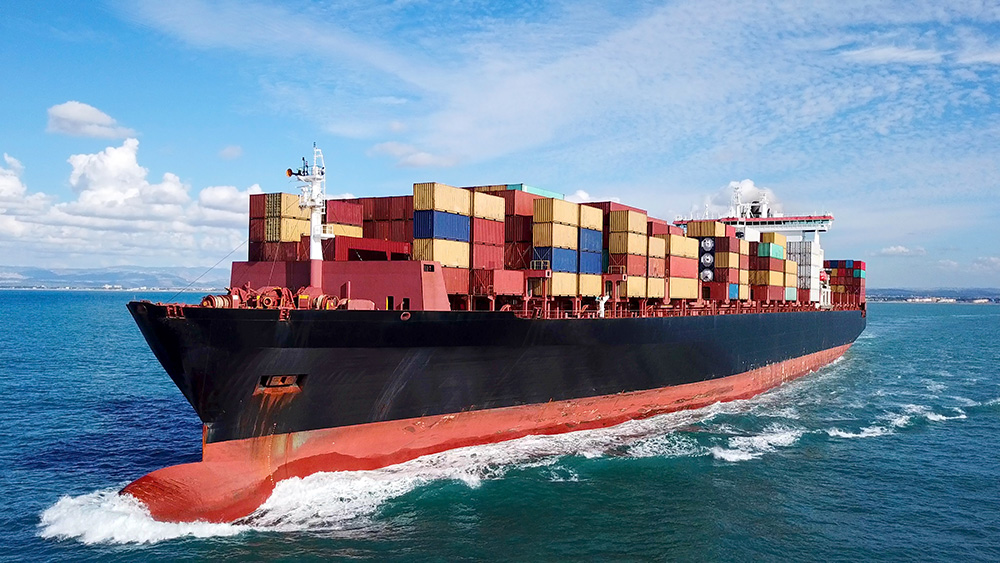
7. What Are the Main Ports in China for Shipping to Melbourne?
- Shanghai Port – Largest in the world, efficient for FCL.
- Shenzhen (Yantian/Shekou) – Ideal for South China exports.
- Ningbo Port – Cost-effective routes for manufacturing exports.
- Qingdao Port – Key for North China cargo.
8. Sea Freight vs. Air Freight: Which Is Better?
| Criteria | Sea Freight | Air Freight |
|---|---|---|
| Cost | Low | High |
| Speed | 20–30 days | 3–7 days |
| Capacity | Large volumes | Limited |
| Reliability | Weather delays possible | Highly reliable |
| Suitability | Bulk, heavy cargo | Urgent, small shipments |
9. Can a Freight Forwarder Handle Door-to-Door Services?
Yes, many forwarders offer DDP (Delivered Duty Paid) or DAP (Delivered at Place) solutions. This covers:
- Pickup from supplier’s factory in China.
- Export customs clearance.
- Sea/air freight transportation.
- Import customs clearance in Melbourne.
- Final delivery to your warehouse.
10. How to Select the Best Freight Forwarder from China to Melbourne?
When choosing, consider:
- Experience in Australia–China trade.
- Transparent pricing with no hidden costs.
- Customer support and real-time tracking.
- Strong partner network in both countries.
- Flexibility with multimodal options.
11. Tips to Save Money When Shipping from China to Melbourne
- Ship during off-peak seasons (avoid holiday surcharges).
- Use FCL if cargo is close to a full container.
- Compare multiple forwarders for competitive rates.
- Consolidate shipments for LCL.
- Work with a forwarder offering customs brokerage.
📦Get a Free Quote
Looking for a trusted freight forwarder China to Melbourne? Our team offers competitive rates, reliable transit times, and full-service logistics. Contact us today for a free shipping quote tailored to your needs.
❓ Frequently Asked Questions
Q1: What is the cheapest way to ship from China to Melbourne?
The cheapest option is sea freight via LCL for small shipments or FCL for larger cargo. Costs are significantly lower than air freight.
Q2: How long does customs clearance take in Melbourne?
Customs clearance usually takes 1–3 days if documents are accurate. Delays may occur if goods require inspection or quarantine checks.
Q3: Can I ship personal items from China to Melbourne?
Yes, personal goods can be shipped via sea or air freight. Ensure you provide detailed packing lists and declare items correctly.
Q4: Are there restrictions on importing goods into Australia?
Yes, strict regulations apply to food, plants, and animal products. Always check with the Australian Border Force before shipping.
Q5: How do I calculate the shipping cost from China to Melbourne?
Costs depend on weight, volume, shipping method, and destination. Freight forwarders provide quotes based on these factors.
Conclusion
Working with a reliable freight forwarder China to Melbourne ensures your cargo arrives safely, on time, and at competitive costs. By understanding available shipping methods, required documents, and cost-saving strategies, you can streamline the logistics process and avoid unnecessary delays. Partnering with an experienced forwarder is the smartest way to secure your supply chain between China and Melbourne.