

- By ayla tj
- September 16, 2025
- Logistics Guide
When businesses think of global trade, shipping China is one of the first logistics challenges they encounter. From e-commerce sellers to bulk importers, companies face questions about costs, transit times, and customs procedures. However, reliable freight forwarders offer solutions through sea freight, air freight, and rail freight, ensuring safe, cost-effective, and timely delivery.
1. What Does Shipping from China Involve?
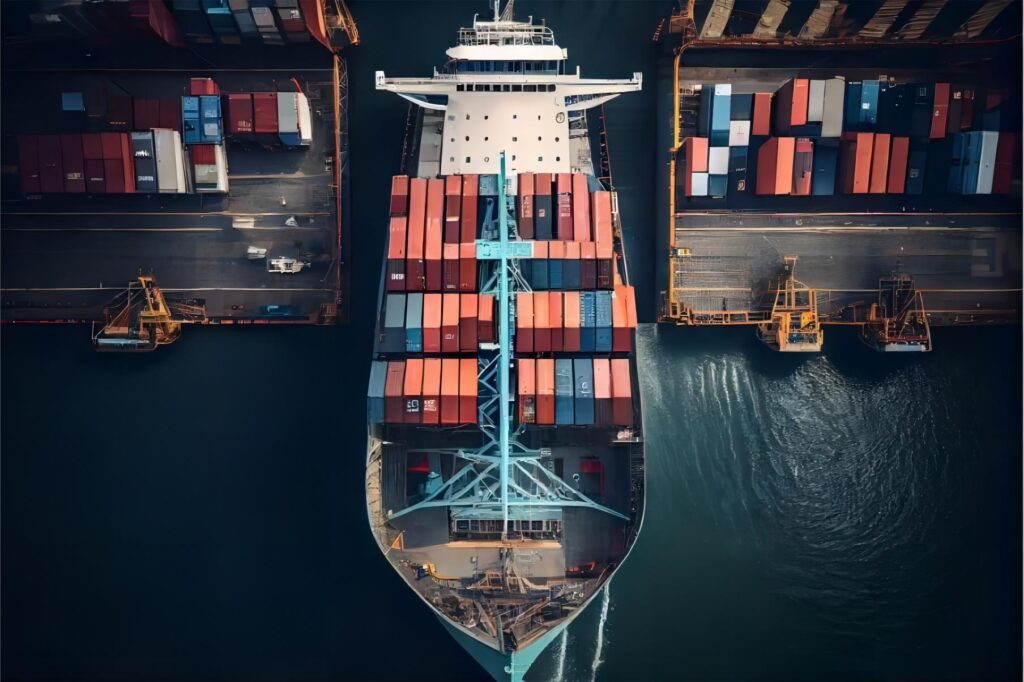
Shipping China involves moving goods from Chinese suppliers to destinations worldwide. It typically includes:
- Pickup from factories or warehouses
- Export customs clearance in China
- International transport (sea, air, or rail)
- Import clearance at destination
- Final delivery to the buyer
2. What Factors Affect Shipping Costs from China?
- Cargo weight and volume
- Mode of transport (sea, air, rail, courier)
- Origin and destination ports/airports
- Seasonal demand (pre-holiday surcharges, Chinese New Year)
- Incoterms (FOB, CIF, DDP)
- Customs duties and local handling charges
3. How Much Does Shipping from China Cost?
Shipping costs vary by mode, weight, and route. Here’s a comparison:
| Mode | Average Cost | Transit Time | Best For |
|---|---|---|---|
| Sea Freight (20ft FCL) | $1,200 – $1,800 | 25–40 days | Large shipments |
| Sea Freight (40ft FCL) | $2,200 – $2,800 | 25–40 days | High-volume cargo |
| LCL (per CBM) | $120 – $180 | 25–40 days | Smaller loads |
| Air Freight | $6 – $12 per kg | 5–10 days | Urgent goods |
| Rail Freight | $2,500 – $4,000 | 15–25 days | Europe-bound cargo |
| Courier/Express | $8 – $15 per kg | 3–6 days | Parcels & e-commerce |
What are you waiting for?
Contact TJ China Freight for a fast, free quote.
Are you ready to book?
Access live instant freight quotes
4. Should You Choose FCL or LCL?
- FCL (Full Container Load): Suitable for large shipments; you rent the entire container.
- LCL (Less than Container Load): Ideal for smaller cargo volumes, but involves consolidation and extra handling.
5. How Long Does Shipping China Take?
| Mode | Transit Time | Example Route |
|---|---|---|
| Sea Freight | 25–40 days | Shanghai → Los Angeles |
| Air Freight | 5–10 days | Guangzhou → New York |
| Rail Freight | 15–25 days | Yiwu → Hamburg |
| Courier | 3–6 days | Shenzhen → London |
6. What Documents Are Required for Shipping China?
| Document | Purpose |
|---|---|
| Bill of Lading / Air Waybill | Proof of shipment |
| Commercial Invoice | Declares value and HS codes |
| Packing List | Lists cargo details |
| Certificate of Origin | Confirms production country |
| Import Licenses (if applicable) | Required for restricted goods |
7. What Are the Pros and Cons of Each Shipping Method?
| Method | Pros | Cons |
|---|---|---|
| Sea Freight | Cost-effective for bulk, handles large volumes | Slow transit, port delays |
| Air Freight | Fast, secure, reliable | High cost, weight limits |
| Rail Freight | Balanced cost & speed, eco-friendly | Limited routes, Europe only |
| Courier | Door-to-door, fastest option | Expensive for heavy shipments |
8. Can You Use DDP Shipping from China?
Yes, many importers prefer DDP (Delivered Duty Paid) because the seller or forwarder pays duties, taxes, and handles customs. Buyers get transparent, door-to-door pricing without surprises.
9. What Goods Are Commonly Shipped from China?
- Electronics and consumer goods
- Clothing, footwear, and textiles
- Furniture and home appliances
- Building materials
- Automotive parts
- E-commerce parcels
10. How Do Freight Forwarders Simplify the Process?
Freight forwarders manage the entire logistics chain:
- Negotiating shipping contracts
- Handling customs clearance
- Offering warehousing and consolidation
- Providing shipment tracking
- Ensuring compliance with import/export laws
Therefore, choosing an experienced forwarder saves both time and money.
11. How to Reduce Costs When Shipping from China?
- Book early to avoid peak surcharges.
- Use FCL if your volume fills most of the container.
- Compare shipping routes and ports.
- Consolidate shipments with a forwarder.
- Use rail freight as a mid-cost alternative for Europe.
12. Example Comparison of Transit Times by Destination
| Destination | Sea Freight | Air Freight | Rail Freight | Courier |
|---|---|---|---|---|
| USA (West Coast) | 18–25 days | 5–7 days | N/A | 3–6 days |
| USA (East Coast) | 28–35 days | 6–10 days | N/A | 3–6 days |
| Europe (Germany) | 30–40 days | 6–9 days | 15–20 days | 3–6 days |
| Middle East (UAE) | 20–28 days | 4–6 days | N/A | 3–5 days |
Final Thoughts
In conclusion, shipping China involves balancing cost, speed, and compliance. Sea freight is best for large shipments, air freight suits urgent goods, rail provides mid-range solutions for Europe, and couriers serve e-commerce. With the right freight forwarder, businesses can minimize risks, cut costs, and streamline supply chains.
FAQ
Q1: Can I ship small parcels from China without using a container?
Yes, LCL or courier services allow small shipments without booking a full container, making it cost-effective for small businesses.
Q2: Are customs duties included in freight quotes from China?
Not always. Unless you book DDP shipping, duties and taxes are usually billed separately. Always confirm before booking.
Q3: Which Chinese ports are most commonly used for exports?
Shenzhen, Shanghai, Ningbo, Qingdao, and Guangzhou are the busiest export hubs, handling thousands of containers daily.
Q4: Can I track shipments from China in real time?
Yes, most freight forwarders provide online tracking systems for sea, air, and courier shipments.
Q5: Do I need an import license for goods from China?
It depends on the product. Restricted items like chemicals or medical devices often require import permits.