

- By carlie tj
- September 16, 2025
- Logistics Guide
The demand for China to India sea freight is steadily growing as trade expands between the two countries. With expert support from China Top Freight, businesses can access reliable shipping routes, competitive container pricing, and smooth customs clearance while keeping their supply chain efficient.
1. What Is China to India Sea Freight?
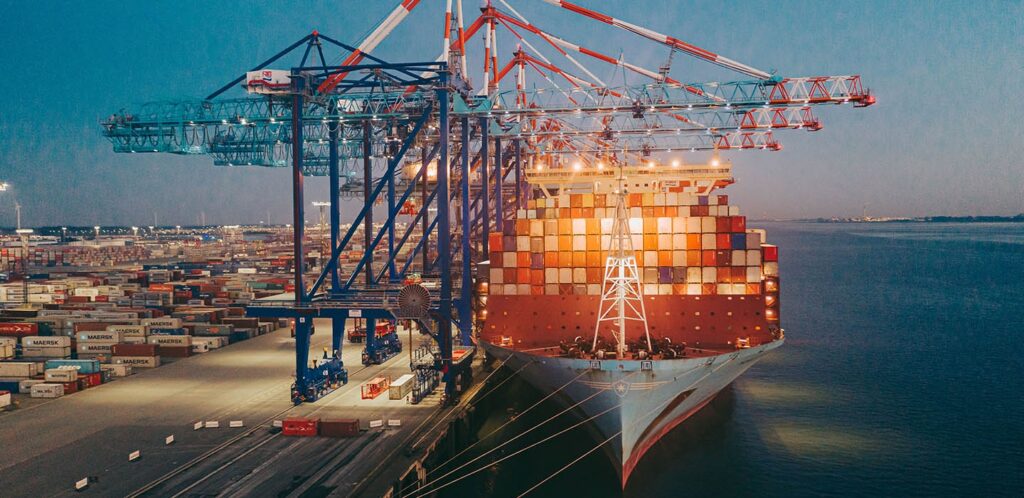
Sea freight refers to transporting cargo by container ships across international waters. It is the most cost-effective method for large-volume shipments between China and India.
Moreover, it supports industries like textiles, electronics, automotive, and consumer goods that depend on bulk imports.
2. How Much Does China to India Sea Freight Cost?
Costs vary depending on the container size, port of origin, and destination.
| Container Type | Average Cost (USD) | Transit Time | Best Suited For |
|---|---|---|---|
| 20ft FCL | $1,200 – $1,800 | 20–30 days | Small to medium shipments |
| 40ft FCL | $2,200 – $3,200 | 20–30 days | Large or bulky cargo |
| LCL (per CBM) | $60 – $90 | 25–35 days | Small businesses, low volumes |
Therefore, sea freight remains the most economical option for businesses managing high cargo volumes.
3. Why Choose Sea Freight from China to India?
- Affordable rates compared to air freight.
- High capacity for large and heavy cargo.
- Wide port coverage in both China and India.
- Sustainability with lower carbon emissions.
However, longer transit times make it less suitable for urgent shipments.
4. What Are the Main Shipping Routes Between China and India?
Key sea routes connect major Chinese ports like Shanghai, Ningbo, and Shenzhen with Indian ports such as Mumbai, Chennai, and Kolkata.
Additionally, transshipment hubs like Singapore and Colombo play a role in routing cargo efficiently.
5. How Long Does China to India Sea Freight Take?
Transit times vary depending on the port pair and shipping line.
| Origin Port (China) | Destination Port (India) | Average Transit Time |
|---|---|---|
| Shanghai | Mumbai | 22–26 days |
| Shenzhen | Chennai | 20–25 days |
| Ningbo | Kolkata | 25–30 days |
Moreover, customs clearance and inland delivery may extend the timeline by several days.
6. What Documents Are Required for China to India Sea Freight?
Customs Documents Checklist:
- Commercial Invoice
- Bill of Lading
- Packing List
- Certificate of Origin
- Importer Exporter Code (IEC for India)
Proper paperwork ensures smooth clearance and prevents costly delays.
7.Conclusion
The importance of China to India sea freight is increasing as bilateral trade continues to expand. While slower than air freight, it provides cost efficiency, large capacity, and flexibility for businesses of all sizes. By preparing documents carefully, choosing the right shipping method, and working with expert freight forwarders, companies can reduce costs, avoid delays, and ensure smooth supply chain operations.
8. Request a Quote
China Top Freight offers:
- ✅ Origin and Destination Countries
- ✅ Cargo Type and Volume
- ✅ Preferred Transport Method (Air, Sea, Rail, Road)
- ✅ Delivery Timeline
- ✅ Special Handling Requirements (if any)
9. FAQ
Q1: What is the average sea freight cost from China to India?
The average cost ranges from $1,200 to $3,200 per container, depending on size, cargo volume, and seasonal market fluctuations.
Q2: How do customs clearance procedures affect sea freight?
Customs require correct documents like invoices and certificates. Missing paperwork can delay shipments and add extra costs at Indian ports.
Q3: Can small businesses use sea freight from China to India?
Absolutely, LCL options allow small businesses to ship smaller cargo volumes without paying for a full container, saving significantly on costs.
Q4: Which ports are busiest for China-India sea freight?
Shanghai, Ningbo, and Shenzhen in China, plus Mumbai, Chennai, and Kolkata in India, handle the largest share of bilateral sea trade.
Q5: Do peak seasons affect sea freight rates from China to India?
Indeed, demand surges during holidays like Chinese New Year and Indian festivals increase rates and may cause limited vessel space.