

- By ayla tj
- September 16, 2025
- Logistics Guide
For global importers and e-commerce sellers, choosing the right China forwarding agent is crucial to ensure shipments arrive on time and within budget. Many businesses face challenges with high shipping costs, customs clearance, and unpredictable transit times. However, experienced forwarding agents in China provide complete solutions including sea freight, air freight, rail freight, and courier services, making international logistics smoother and more cost-efficient.
1. What Does a China Forwarding Agent Do?
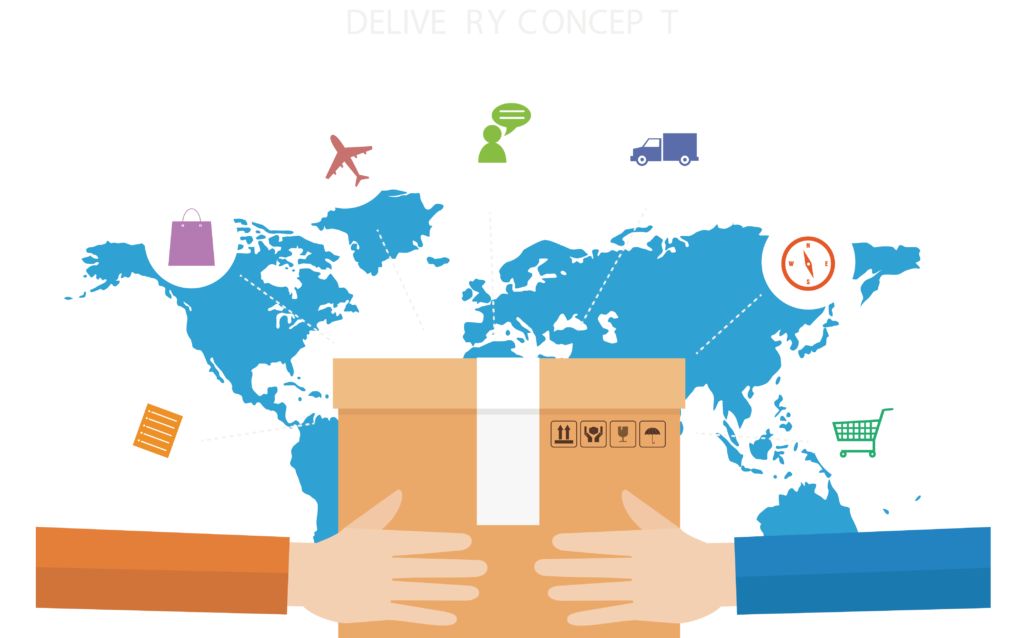
A forwarding agent acts as a logistics partner between exporters in China and buyers worldwide. Services typically include:
- Booking cargo space with carriers
- Customs clearance at origin and destination
- Cargo consolidation (FCL and LCL)
- Door-to-door delivery options
- Tracking and supply chain management
2. Why Should You Use a China Forwarding Agent?
- Cost savings: Forwarders negotiate bulk rates with carriers.
- Simplified customs: They manage documents and compliance.
- Flexibility: Options for FCL, LCL, air, rail, and courier.
- Time efficiency: Faster clearance and fewer delays.
3. How Much Does a China Forwarding Agent Cost?
Pricing varies by shipping method, cargo type, and delivery destination.
| Mode | Average Cost | Transit Time | Best Use |
|---|---|---|---|
| Sea Freight (20ft FCL) | $1,200 – $1,800 | 25–35 days | Bulk cargo |
| Sea Freight (40ft FCL) | $2,300 – $2,900 | 25–35 days | High-volume goods |
| LCL (per CBM) | $120 – $160 | 25–35 days | Small shipments |
| Air Freight | $6 – $12 per kg | 5–10 days | Urgent goods |
| Rail Freight (to Europe) | $2,500 – $4,000 | 15–22 days | Mid-speed option |
| Courier/Express | $9 – $15 per kg | 3–6 days | Parcels/e-commerce |
What are you waiting for?
Contact TJ China Freight for a fast, free quote.
Are you ready to book?
Access live instant freight quotes
4. What Are the Main Shipping Methods Offered?
Best for bulk and heavy shipments. Available as FCL (Full Container Load) or LCL (Less than Container Load).
Quick and reliable, ideal for high-value or urgent cargo.
Economical mid-point between sea and air, mainly for Europe-bound shipments.
Door-to-door service, best for small parcels and e-commerce deliveries.
5. How Long Does Shipping from China Take?
| Destination | Sea Freight | Air Freight | Rail Freight | Courier |
|---|---|---|---|---|
| USA (West Coast) | 18–25 days | 5–7 days | N/A | 3–6 days |
| USA (East Coast) | 28–35 days | 6–10 days | N/A | 3–6 days |
| Europe (Germany) | 30–40 days | 6–9 days | 15–20 days | 3–6 days |
| Middle East (UAE) | 20–28 days | 4–6 days | N/A | 3–5 days |
6. What Documents Are Needed for Customs Clearance?
| Document | Purpose |
|---|---|
| Bill of Lading / Air Waybill | Proof of shipment |
| Commercial Invoice | Declares product value and HS code |
| Packing List | Details goods and packaging |
| Certificate of Origin | Confirms where goods were made |
| Import License (if required) | For restricted items |
7. Should You Choose FCL or LCL?
- FCL: You rent the entire container. Cost-effective for bulk shipments.
- LCL: You share space with other shippers. Affordable for small cargo but slower due to consolidation.
8. What Are the Pros and Cons of Each Shipping Method?
| Method | Pros | Cons |
|---|---|---|
| Sea Freight | Cheapest per unit, ideal for large volumes | Slow, port delays possible |
| Air Freight | Fast, secure, reliable | Expensive per kg |
| Rail Freight | Mid-cost, eco-friendly, faster than sea | Limited destinations |
| Courier | Fastest, door-to-door | Costly for bulky cargo |
9. How Do Forwarding Agents Help E-Commerce Sellers?

Forwarding agents in China often provide services tailored to e-commerce:
- Fulfillment and warehousing near factories
- Amazon FBA delivery solutions
- DDP (Delivered Duty Paid) options with customs included
- Express courier integration for small parcels
10. What Factors Affect Shipping Costs?
- Cargo size and weight
- Transport method chosen
- Origin and destination ports
- Seasonal surcharges (Chinese New Year, holidays)
- Fuel prices and exchange rates
Moreover, customs duties and local handling charges also influence final costs.
11. How Can You Reduce Costs with a China Forwarding Agent?
- Ship FCL if your goods nearly fill a container.
- Avoid peak shipping seasons when possible.
- Consolidate smaller shipments via LCL.
- Work with forwarders offering competitive DDP options.
- Compare quotes from multiple providers.
Final Thoughts
In conclusion, working with a China forwarding agent is essential for importers who want predictable costs, reliable delivery schedules, and simplified customs. Sea freight remains the most economical choice for bulk cargo, while air and courier services serve urgent shipments. By partnering with a trusted forwarder, businesses can cut expenses, reduce delays, and streamline their global supply chains.
FAQ
1. Can dangerous goods be shipped from China to Australia?
Yes, but they require compliance with IMDG (sea freight) or IATA (air freight) regulations, plus special packaging and permits.
2. Are there trade agreements that reduce import costs?
Yes. The China–Australia Free Trade Agreement (ChAFTA) lowers tariffs on many products, helping importers save money.
3. How do biosecurity rules affect shipping?
Australia has strict biosecurity regulations. Goods like wood, food, and plants may require inspection or fumigation before clearance.
4. Can Australian SMEs benefit from LCL freight?
Absolutely. LCL shipments allow small businesses to import goods without booking a full container, making trade more affordable.
5. Do freight forwarders provide door-to-door services?
Yes. Many forwarders handle everything from pickup in China to final delivery in Australian warehouses.
6. How do peak seasons affect freight rates?
Rates rise significantly before Christmas and Chinese New Year. Booking in advance secures better pricing.