

- By kelly
- September 17, 2025
- Logistics Guide
Freight Forwarding China to Australia: Complete Guide for Importers
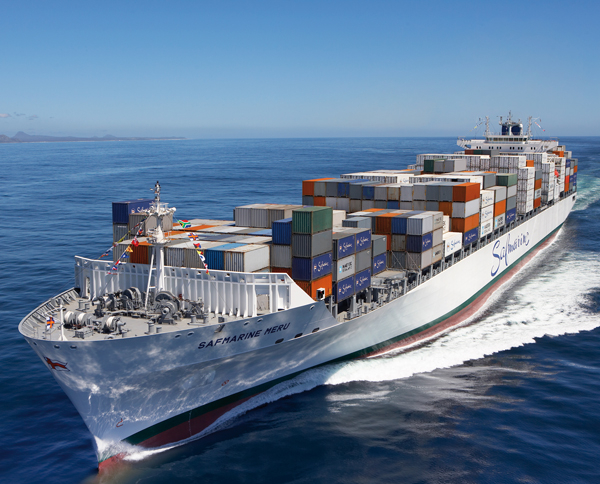
Choosing the right freight forwarding China to Australia solution is essential for businesses that want cost-effective, reliable, and timely delivery. Many importers struggle with high shipping costs, long transit times, and complex customs procedures. However, partnering with experienced freight forwarders can simplify logistics, reduce risks, and ensure smooth supply chain management.
1. What Do Freight Forwarders Offer for China to Australia Shipping?
A freight forwarder acts as an intermediary between shippers and carriers. For China-Australia trade, their services include:
- Booking space with shipping lines, airlines, or courier providers.
- Preparing customs documentation in both China and Australia.
- Offering LCL consolidation for smaller shipments.
- Providing warehousing and inland transportation.
- Arranging cargo insurance and delivery schedules.
Therefore, freight forwarders ensure seamless transportation from factory in China to final delivery in Australia.
2. Why Is Freight Forwarding Between China and Australia Important?
China is Australia’s largest trading partner, making freight forwarding vital for smooth supply chains. Benefits include:
- Lower costs through bulk freight contracts.
- Flexibility with sea, air, and express courier options.
- Customs expertise to avoid delays or fines.
- Efficient supply chain management across different industries.
Moreover, with high-volume trade in electronics, textiles, and machinery, reliable logistics solutions are essential.
3. How Much Does Shipping from China to Australia Cost?
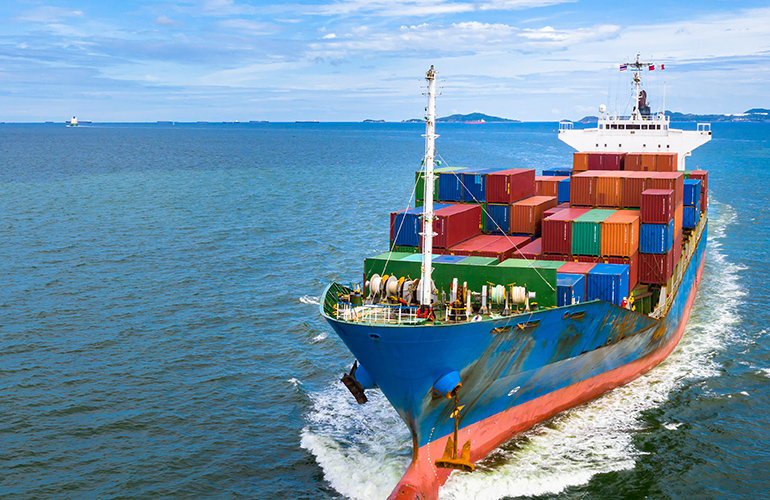
Shipping costs depend on mode, cargo type, and season.
| Shipping Method | Average Cost | Transit Time | Best For | Pros | Cons |
|---|---|---|---|---|---|
| Sea Freight (LCL) | $70–$120 per CBM | 18–25 days | Small shipments | Low cost, consolidation | Longer transit |
| Sea Freight (FCL) | $1,800–$2,500 per 20ft container | 15–22 days | Bulk cargo | Cost-efficient | Port congestion |
| Air Freight | $5–$8 per kg | 5–8 days | Urgent goods | Fast & reliable | Higher rates |
| Courier/Express | $6–$12 per kg | 3–6 days | Small parcels | Door-to-door | Expensive |
Additionally, seasonal surcharges and customs duties should be factored into budgets.
4. What Customs Documents Are Needed for China to Australia Imports?
Accurate paperwork ensures quick customs clearance.
| Document | Purpose |
|---|---|
| Bill of Lading (B/L) or Air Waybill (AWB) | Proof of cargo shipment |
| Commercial Invoice | Declares value of goods |
| Packing List | Details weight and dimensions |
| Certificate of Origin | For tariff application |
| Import Declaration (Australia) | Submitted to customs |
| Import Permits (if required) | For restricted goods |
Therefore, experienced forwarders minimize risks of rejection or delays.
5. Should You Choose Sea Freight or Air Freight?
| Factor | Sea Freight | Air Freight |
|---|---|---|
| Cost | Lower | Higher |
| Transit Time | 15–25 days | 5–8 days |
| Cargo Type | Bulk, heavy goods | Perishable, urgent |
| Reliability | Weather dependent | Highly reliable |
| Environmental Impact | Lower emissions per ton | Higher emissions |
If speed is critical, air freight is best. However, for cost savings, sea freight is the most efficient choice.
6. How Long Does Freight Forwarding from China to Australia Take?
Transit times vary by port and shipping method.
| Destination Port | Sea Freight | Air Freight | Courier |
|---|---|---|---|
| Sydney | 15–20 days | 5–7 days | 3–5 days |
| Melbourne | 16–22 days | 6–8 days | 3–6 days |
| Brisbane | 18–22 days | 6–8 days | 3–6 days |
| Perth | 12–15 days | 5–7 days | 3–5 days |
Additionally, customs clearance may add 1–3 days to final delivery.
7. What Services Do Freight Forwarders Provide for China to Australia?
Freight forwarders typically offer:
- FCL and LCL sea freight
- Air freight (standard, express, charter)
- Courier services for small parcels
- Warehousing and consolidation
- Customs clearance in both countries
- DDP (Delivered Duty Paid) shipping
- Door-to-door delivery
Therefore, importers can select services based on shipment size and urgency.
8. Can Freight Forwarders Handle E-Commerce and Amazon FBA Shipments?
Yes. Many freight forwarders offer e-commerce logistics such as:
- Direct delivery to Amazon FBA warehouses in Australia.
- DDP shipping for stress-free compliance.
- Courier services for small parcels.
- Reverse logistics and returns management.
This makes them ideal partners for online retailers sourcing from China.
9. How to Choose the Right Freight Forwarder for China to Australia
Key factors to consider:
- Experience with China-Australia trade.
- Global network and local partners in Australia.
- Transparent pricing with no hidden charges.
- Real-time tracking for supply chain visibility.
- Strong customer support with fast responses.
Moreover, check for accreditations such as FIATA or WCA membership.
10. Pros and Cons of Freight Forwarding China to Australia?
| Pros | Cons |
|---|---|
| Competitive freight rates | Service quality may vary |
| Wide range of shipping options | Seasonal congestion risks |
| Expertise in customs clearance | Extra charges for premium services |
| Reliable supply chain solutions | Longer lead times for sea freight |
📦Get a Free Quote
Are you looking for dependable freight forwarding China to Australia solutions? Contact our team today for personalized quotes, competitive rates, and expert guidance. Let us simplify your logistics and deliver your goods on time.
❓ Frequently Asked Questions
1. How much does a 20ft container cost from China to Australia?
It ranges from $1,800–$2,500 depending on season, carrier, and destination port in Australia.
2. What is the fastest way to ship from China to Australia?
Air freight or express courier delivers within 3–8 days, making it the quickest shipping option.
3. Do freight forwarders provide DDP shipping to Australia?
Yes, many offer Delivered Duty Paid solutions that cover customs duties and taxes for hassle-free delivery.
4. Can small parcels be shipped from China to Australia?
Yes, using courier services like DHL, UPS, or FedEx, or via LCL consolidation for cost savings.
Conclusion
In conclusion, working with professional freight forwarding China to Australia providers ensures cost savings, reliable transit, and customs compliance. From sea freight for bulk cargo to air freight for urgent deliveries, forwarders offer flexible solutions for every business need. Therefore, choosing the right partner is key to building a strong and efficient supply chain.