Shipping across the Pacific is a critical part of global trade. Choosing sea freight from China to USA offers businesses cost savings, flexible options, and reliable capacity. With professional Chinese freight forwardershandling sea, air, and courier services, importers can streamline customs, improve delivery schedules, and strengthen their supply chain.
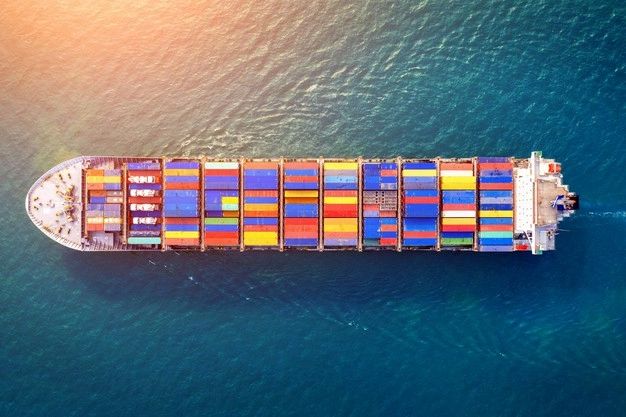
Sea freight refers to the transportation of goods by cargo ships, the most common mode for bulk imports. It is widely used by businesses importing machinery, furniture, electronics, textiles, and consumer goods.
Key Services Offered
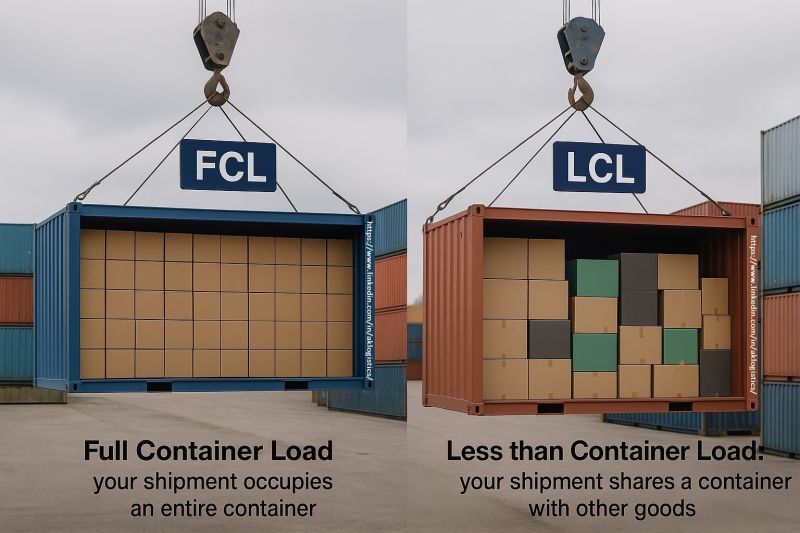
FCL (Full Container Load): Dedicated container for one shipper.
LCL (Less than Container Load): Shared container with multiple shippers.
Door-to-door shipping: Pickup in China, delivery in the USA.
Customs clearance: Export and import compliance handled by forwarders.
2. Why Choose Sea Freight Over Air Freight?
Factor
Sea Freight
Air Freight
Cost
Low per unit
High per kg
Transit Time
25–40 days
5–10 days
Cargo Capacity
Very high
Limited
Best For
Bulk, heavy goods
Urgent shipments
Sea freight is slower but offers significant savings, especially for bulk cargo.
3. How Much Does Sea Freight from China to USA Cost?
Costs depend on container size, volume, and destination port.
Container Type
Average Cost
Cargo Capacity
Pros
Cons
20ft FCL
$1,500–$2,500
28–30 CBM
Cost-effective for smaller loads
Limited space
40ft FCL
$2,800–$4,500
58–60 CBM
Best for large shipments
Higher base cost
LCL
$50–$70/CBM
Flexible
Affordable for small cargo
Longer handling times
👉 Always budget an additional 20–30% for customs duties, port handling, and delivery fees.
Transit times vary depending on route and port congestion.
Origin Port (China)
Destination Port (USA)
Transit Time
Shanghai
Los Angeles
18–22 days
Shenzhen
New York
30–35 days
Ningbo
Houston
28–32 days
Qingdao
Seattle
20–25 days
5. What Documents Are Required for Sea Freight?
Document
Purpose
Bill of Lading
Proof of shipping contract and receipt
Commercial Invoice
Customs valuation for duties
Packing List
Cargo details and measurements
Importer Security Filing (ISF)
US requirement before loading
Certificate of Origin
Verifies where goods were manufactured
Arrival Notice
Required to release cargo at destination
6. Should You Choose FCL or LCL?
FCL: Recommended for larger shipments; faster handling, more secure, cheaper per unit.
LCL: Best for small volumes; lower cost but slower due to consolidation and deconsolidation.
7. What Are the Pros and Cons of Sea Freight?
Pros
Cons
Cheapest method for bulk cargo
Longest transit times
High capacity for all cargo types
Port congestion risks
Flexible container options
Additional fees at destination
More eco-friendly than air freight
Requires accurate documentation
8. How Do Customs and Duties Affect Sea Freight Costs?
US Customs calculates duties based on HS codes, product category, and cargo value. Forwarders help with:
HS code classification
Duty and tax calculation
Filing ISF and customs entries
Ensuring compliance with CBP rules
Failure to comply may result in penalties, delays, or cargo seizure.
9. Can Freight Forwarders Handle Door-to-Door Shipping?
Yes, forwarders manage DDP (Delivered Duty Paid) and DAP (Delivered at Place), covering:
Pickup from supplier in China
Export and import customs clearance
Ocean transport and port handling
Final delivery to warehouses, Amazon FBA, or retailers in the USA
10. What Are the Latest Trends in China–USA Sea Freight?
Expansion of green shipping solutions with low-emission vessels.
Use of digital freight platforms for real-time tracking.
Rising demand for multimodal transport (sea + truck/rail).
Increased import volumes from e-commerce and retail sectors.
Final Thoughts
Choosing sea freight from China to USA offers unmatched cost efficiency and capacity for bulk cargo. With professional freight forwarders handling customs, documentation, and delivery, businesses can simplify logistics and avoid costly delays. Ultimately, sea freight remains the backbone of international trade for importers seeking reliability and affordability.
Q1: Can small businesses use sea freight from China to USA?
Yes, LCL shipping allows small businesses to share container space, making sea freight affordable and accessible without requiring full container loads.
Q2: How can I lower sea freight costs?
Plan shipments early, consolidate cargo, book FCL when possible, and partner with forwarders who negotiate competitive rates with shipping lines.
Q3: Are there restricted goods for sea freight imports into the USA?
Yes, items like hazardous chemicals, weapons, and certain foods require permits or may face restrictions. Check with your freight forwarder for guidance.
Q4: Do I need cargo insurance for sea freight?
Insurance is optional but highly recommended, as it protects against loss, damage, or theft during long ocean voyages.
Q5: How do I avoid customs delays in the USA?
Ensure accurate documents, submit ISF on time, and classify products correctly under HS codes to prevent inspections and fines.