

- By kelly
- September 17, 2025
- Logistics Guide
Freight from China to Europe: Complete Guide for Importers
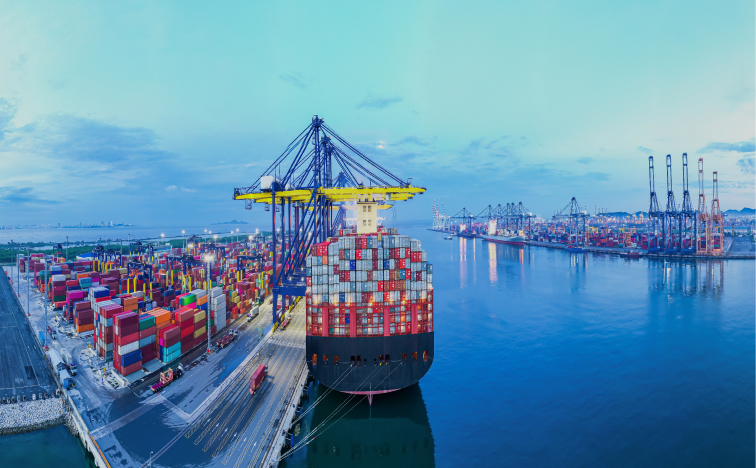
Managing freight from China to Europe can be challenging due to shipping costs, transit delays, and customs complexities. Many businesses importing from China struggle with choosing the right shipping method and navigating trade regulations. However, with the right logistics partner and knowledge of freight options, importers can save costs, reduce delays, and streamline supply chains.
What Does Freight from China to Europe Involve?
Freight forwarding between China and Europe refers to the organized transport of goods via sea, air, rail, or courier services. Freight forwarders manage customs clearance, cargo insurance, and warehousing while ensuring shipments comply with international trade standards. Additionally, importers benefit from consolidated cargo services, which reduce per-unit shipping costs.
Why Should Businesses Use Freight Forwarding for China–Europe Trade?
Relying on a professional freight forwarder offers several advantages:
- Lower shipping costs through bulk carrier agreements.
- Efficient transit times by selecting the best routes.
- Customs compliance to avoid delays or fines.
- Risk mitigation with cargo insurance and tracking.
- Flexible delivery schedules including door-to-door solutions.
Moreover, freight forwarders adapt to global supply chain disruptions, providing alternative options when needed.
How Much Does Freight from China to Europe Cost?
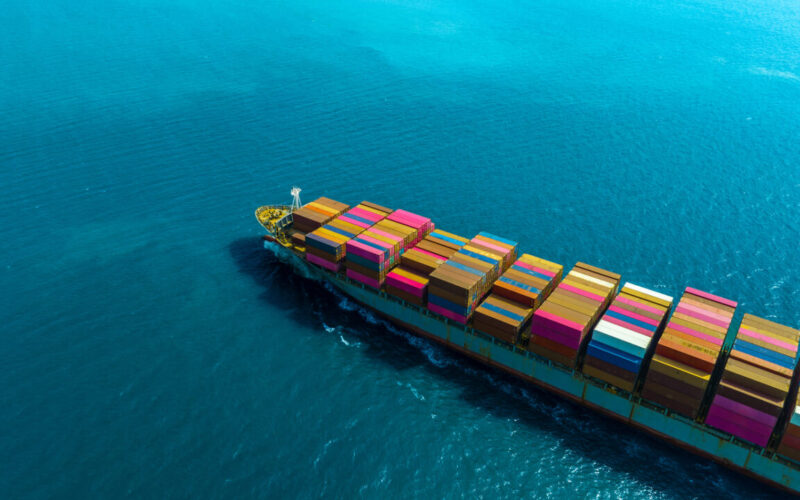
Shipping costs vary depending on method, cargo weight, and urgency.
| Shipping Method | Average Cost | Transit Time | Pros | Cons |
|---|---|---|---|---|
| Sea Freight (FCL 20ft) | $2,000–$3,200 | 30–40 days | Cheapest for bulk | Slow transit |
| Sea Freight (LCL) | $80–$120 per CBM | 35–45 days | Affordable for small loads | Risk of delay |
| Air Freight | $5–$8 per kg | 5–10 days | Fast & reliable | Expensive |
| Rail Freight (China–Europe Express) | $4,000–$6,000 per container | 15–25 days | Balance of cost/time | Limited capacity |
| Courier (DHL/FedEx/UPS) | $7–$12 per kg | 3–7 days | Door-to-door service | Not suitable for bulk |
Therefore, businesses should carefully balance cost and urgency when choosing shipping options.
What Documents Are Needed for Freight from China to Europe?
Accurate paperwork is crucial for customs clearance.
| Document | Purpose |
|---|---|
| Commercial Invoice | Declares value and description of goods |
| Packing List | Provides dimensions, packaging details |
| Bill of Lading / Airway Bill | Proof of shipment |
| Certificate of Origin | Identifies country of manufacture |
| Import License (if required) | For restricted products |
| Insurance Certificate | Covers risk of cargo loss/damage |
Additionally, incomplete or inaccurate documents may lead to penalties and delays.
Should You Choose Sea, Air, or Rail Freight from China to Europe?
| Mode | Best For | Transit Time | Cost | Pros | Cons |
|---|---|---|---|---|---|
| Sea Freight | Heavy, bulky cargo | 30–45 days | Low | Economical | Slowest option |
| Air Freight | Urgent goods | 5–10 days | High | Fast, reliable | Costly |
| Rail Freight | Medium shipments | 15–25 days | Medium | Faster than sea, cheaper than air | Limited destinations |
| Courier/Express | Small parcels | 3–7 days | Very High | Door-to-door, fast | Not for bulk |
Therefore, multimodal shipping is often a smart solution to balance cost and efficiency.
Which Ports and Routes Handle China–Europe Freight?
- Major Chinese Ports: Shanghai, Ningbo, Guangzhou, Shenzhen, Qingdao.
- Key European Ports: Rotterdam, Hamburg, Antwerp, Barcelona.
- Air Routes: PVG (Shanghai), PEK (Beijing), CAN (Guangzhou) to FRA (Frankfurt), CDG (Paris), AMS (Amsterdam).
- Rail Routes: Yiwu/Chongqing → Duisburg/Hamburg via the Belt and Road rail network.
Moreover, the Port of Rotterdam serves as the main gateway for imports into Europe.
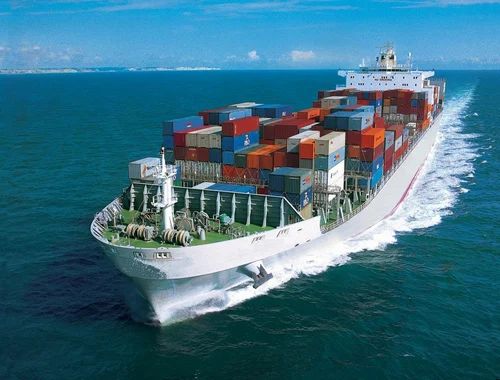
How Do Freight Forwarders Manage Customs from China to Europe?
Customs clearance requires expertise to avoid costly mistakes. Freight forwarders handle:
- HS code classification to ensure correct duties.
- VAT and import duty calculation.
- Filing of electronic customs declarations.
- Compliance with EU trade laws.
- Coordination with local customs brokers.
Additionally, many forwarders offer Delivered Duty Paid (DDP) solutions to simplify the process for importers.
What Are the Pros and Cons of Freight from China to Europe?
| Pros | Cons |
|---|---|
| Competitive shipping rates | Long transit times by sea |
| Multiple shipping modes available | Seasonal congestion |
| Strong trade routes and agreements | Complex customs procedures |
| Consolidation services for SMEs | Higher cost for air freight |
Therefore, planning ahead is crucial for smooth logistics operations.
How Can Businesses Reduce Freight Costs from China to Europe?
- Book early to avoid peak season surcharges.
- Choose LCL shipping for small shipments.
- Use rail freight for mid-sized loads.
- Work with experienced freight forwarders for better carrier rates.
- Consolidate orders to fill containers and reduce per-unit costs.
Moreover, accurate documentation prevents costly customs fines.
Can Small Businesses Benefit from Freight from China to Europe?
Yes. Small businesses often use:
- LCL shipping for partial container loads.
- Courier express services for e-commerce deliveries.
- Door-to-door freight forwarding to simplify logistics.
- Online freight calculators for instant quotes.
Additionally, forwarders specializing in SMEs provide tailored solutions to compete with larger importers.
What Trends Are Shaping Freight from China to Europe?
- Digital freight platforms with online booking and tracking.
- Green logistics initiatives promoting low-emission transport.
- E-commerce growth driving demand for express freight.
- Rail expansion under China’s Belt and Road Initiative.
- Supply chain diversification to handle disruptions.
Therefore, forwarders adopting these trends provide more efficient and sustainable logistics solutions.
📦Get a Free Quote
Simplify your shipping today by choosing a reliable partner for freight from China to Europe. With competitive rates, professional customs support, and multiple shipping options, you can ensure smooth logistics for your imports. Contact us now for a tailored freight quote.
❓ Frequently Asked Questions
Q1: How long does freight from China to Europe take?
Sea freight takes 30–45 days, while rail freight averages 15–25 days. Air freight delivers in 5–10 days.
Q2: What is the cheapest way to ship goods from China to Europe?
Sea freight is the most cost-effective, especially for bulk shipments. LCL shipping is ideal for small to medium orders.
Q3: Do I need a customs broker for imports into Europe?
Yes, customs brokers ensure compliance with EU trade laws, HS codes, and duty payments, reducing the risk of shipment delays.
Q4: How much is air freight from China to Europe?
On average, air freight costs $5–$8 per kg depending on weight, carrier, and season. Prices increase during peak demand.
Q5: Can freight forwarders arrange DDP shipping from China to Europe?
Yes, many forwarders offer Delivered Duty Paid solutions, covering customs clearance, VAT, and last-mile delivery.
Conclusion
Efficient freight from China to Europe requires careful planning, cost analysis, and customs compliance. Whether choosing sea freight for affordability, air freight for urgency, or rail for balance, the right freight forwarder ensures smooth logistics. Therefore, partnering with a reliable provider helps importers reduce risks, lower costs, and strengthen supply chains.