

- By kelly
- September 17, 2025
- Logistics Guide
Freight from China to Singapore: Complete Importer’s Guide
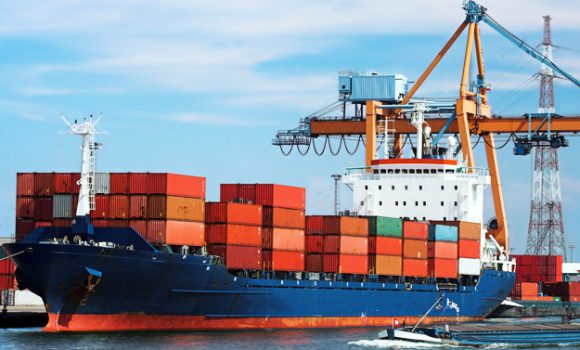
Managing freight from China to Singapore is a critical step for importers sourcing goods from Asia’s largest manufacturing hub to one of Southeast Asia’s busiest trade centers. Many businesses face issues such as rising shipping costs, customs clearance delays, and delivery uncertainties. However, by choosing the right freight method and working with professional forwarders, importers can simplify logistics and reduce costs.
What Does Freight from China to Singapore Involve?
Freight forwarding includes the process of moving goods via sea, air, courier, or multimodal transport. Freight forwarders handle booking cargo space, managing customs documents, arranging insurance, and delivering shipments on time. Moreover, they connect Chinese factories and ports with Singapore’s advanced logistics infrastructure.
Why Should Importers Use Freight Forwarding Services?
Importers benefit from freight forwarding because:
- Cost efficiency through negotiated rates with carriers.
- Customs expertise to prevent clearance delays.
- Flexibility with multimodal shipping choices.
- Risk management with cargo insurance.
- End-to-end visibility with real-time tracking systems.
Therefore, professional logistics support helps businesses focus on growth rather than operational hassles.
How Much Does Freight from China to Singapore Cost?
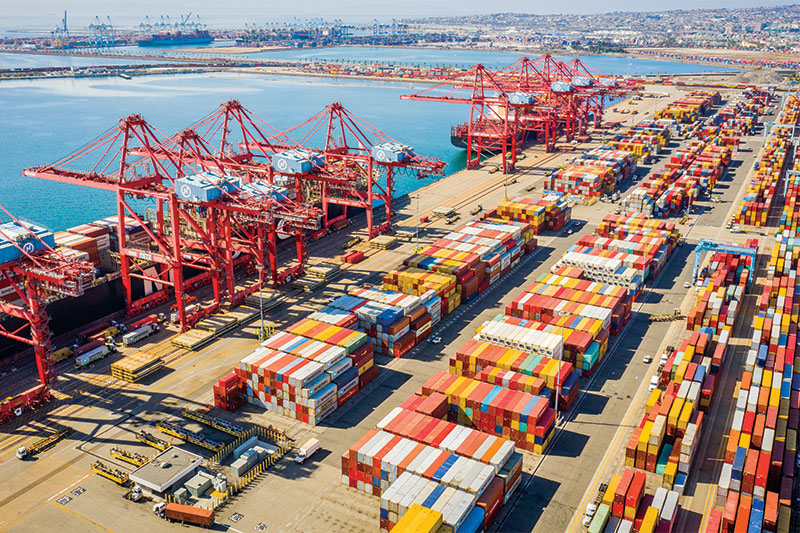
Costs depend on the method, cargo size, and urgency.
| Shipping Method | Average Cost | Transit Time | Pros | Cons |
|---|---|---|---|---|
| Sea Freight (FCL 20ft) | $400–$700 | 5–8 days | Best for bulk cargo | Port congestion possible |
| Sea Freight (LCL) | $30–$60 per CBM | 6–10 days | Affordable for small loads | Consolidation delays |
| Air Freight | $3.5–$6 per kg | 1–3 days | Fast & reliable | More expensive |
| Courier (DHL/UPS/FedEx) | $6–$9 per kg | 1–4 days | Door-to-door service | High cost for bulk |
| Rail (via Malaysia) | $2,500–$3,500 per container | 7–10 days | Alternative option | Limited routes |
Additionally, peak-season surcharges may apply before holidays like Chinese New Year.
What Documents Are Needed for Freight from China to Singapore?
Documentation is vital for smooth clearance.
| Document | Purpose |
|---|---|
| Commercial Invoice | Declares goods’ value and description |
| Packing List | Provides packaging, dimensions, and weight |
| Bill of Lading / Airway Bill | Confirms shipment details |
| Certificate of Origin | Verifies where goods were made |
| Import Permits (if required) | For restricted goods |
| Insurance Certificate | Protects cargo during transit |
Therefore, accurate paperwork ensures faster delivery and fewer penalties.
Should You Choose Sea or Air Freight?
| Mode | Best For | Transit Time | Cost | Pros | Cons |
|---|---|---|---|---|---|
| Sea Freight | Heavy, bulk shipments | 5–10 days | Low | Economical | Slower |
| Air Freight | Urgent, lightweight cargo | 1–3 days | High | Fast & secure | Expensive |
| Courier/Express | Small parcels | 1–4 days | Very High | Door-to-door | Unsuitable for large cargo |
| Rail Freight | Limited routes | 7–10 days | Medium | Alternative to sea | Capacity limits |
Therefore, sea freight suits bulk cargo, while air freight is ideal for urgent deliveries.
Which Ports and Airports Are Used?
- Chinese Ports: Shanghai, Shenzhen, Guangzhou, Ningbo.
- Singapore Port: Port of Singapore Authority (PSA), one of the busiest globally.
- Airports in China: Shanghai Pudong (PVG), Guangzhou Baiyun (CAN), Shenzhen Bao’an (SZX).
- Airport in Singapore: Changi Airport (SIN).
Additionally, Singapore’s world-class port and airport provide efficient handling and quick customs clearance.
How Do Freight Forwarders Handle Customs in Singapore?
Freight forwarders simplify customs by:
- Filing import declarations via Singapore Customs’ TradeNet system.
- Ensuring proper HS code classification.
- Calculating GST (Goods & Services Tax).
- Handling restricted cargo documentation.
- Coordinating with customs brokers.
Therefore, forwarders minimize clearance delays and prevent costly errors.
What Are the Pros and Cons of Freight from China to Singapore?
| Pros | Cons |
|---|---|
| Cost-effective sea freight | Peak season congestion |
| Multiple shipping modes | Air freight costs higher |
| Efficient customs clearance | Documentation errors can cause delays |
| Strong trade connectivity | Courier unsuitable for bulk |
Moreover, Singapore’s efficient trade infrastructure makes it one of the easiest import hubs globally.
How Can Importers Reduce Shipping Costs?
- Book shipments early to avoid peak surcharges.
- Use LCL for small shipments.
- Consolidate orders to fill containers.
- Work with reliable freight forwarders for negotiated rates.
- Avoid incorrect paperwork to prevent fines.
Additionally, multimodal freight solutions can balance cost and delivery time.
Can Small Businesses Benefit?
Yes. SMEs often use:
- Courier services for e-commerce.
- LCL shipping for shared container space.
- Door-to-door delivery (DDP/DAP) to simplify logistics.
- Digital platforms for quick quotes and tracking.
Therefore, small businesses can access global supply chains affordably.
What Trends Are Impacting Freight Between China and Singapore?
- Digital freight platforms with online booking.
- Green logistics initiatives for sustainability.
- E-commerce growth driving courier and air freight.
- Regional trade agreements boosting efficiency.
- Multimodal transport solutions for flexibility.
Moreover, Singapore’s position as a logistics hub continues to strengthen regional trade.
📦Get a Free Quote
Simplify your logistics by partnering with an experienced provider for freight from China to Singapore. With competitive rates, flexible shipping methods, and reliable customs support, you can grow your business confidently. Contact us today to request a personalized quote.
❓ Frequently Asked Questions
Q1: How long does sea freight from China to Singapore take?
Usually 5–10 days, depending on port congestion and shipping routes.
Q2: What is the cheapest way to ship goods from China to Singapore?
Sea freight, especially FCL, is the most cost-effective method for large shipments.
Q3: How much does air freight cost from China to Singapore?
Air freight averages $3.5–$6 per kg, depending on airline, weight, and season.
Q4: Do I need a customs broker for imports into Singapore?
Yes, most freight forwarders partner with licensed customs brokers to handle clearance efficiently.
Q5: Can small parcels be shipped using freight forwarding?
Yes, courier services like DHL, FedEx, and UPS are ideal for small packages and e-commerce orders.
Conclusion
Choosing the right partner for freight from China to Singapore ensures smooth customs clearance, cost savings, and timely delivery. Sea freight remains the most economical for bulk cargo, while air and courier options provide speed for urgent shipments. Therefore, working with a professional forwarder is the best way to optimize your supply chain.