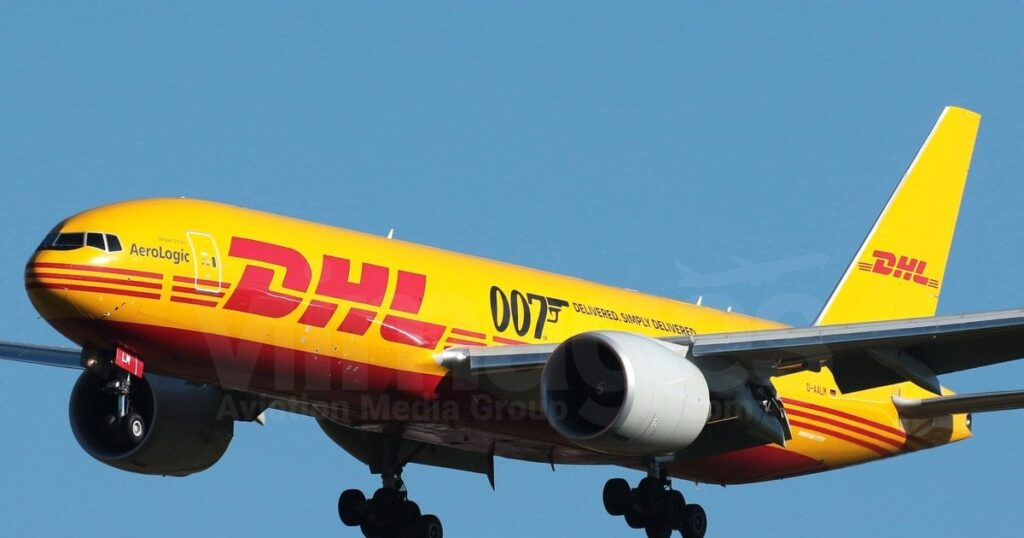
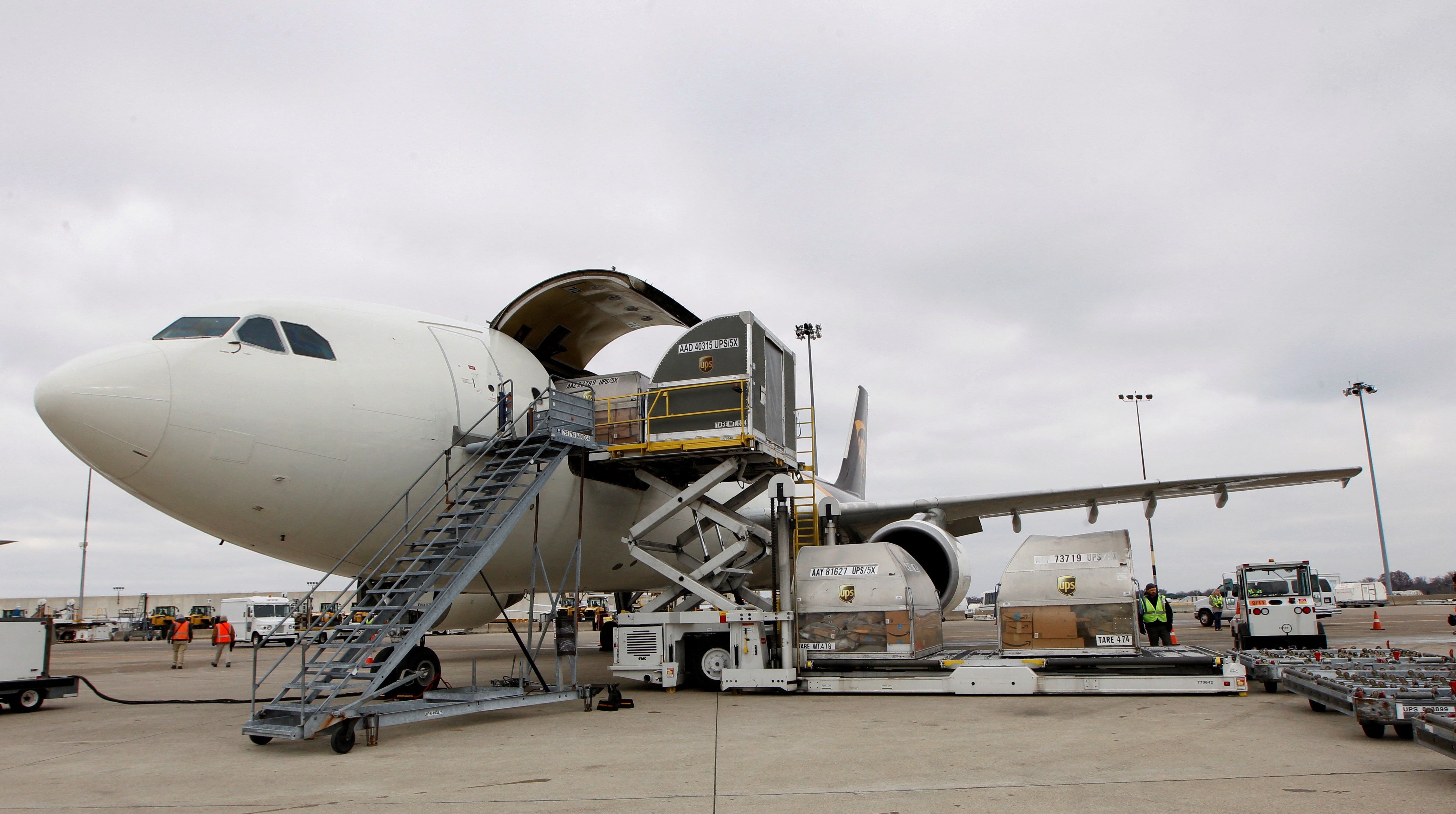
Choosing air freight from China to US ensures speed, security, and reliability for importers. Although more costly than sea freight, it remains the best solution for time-sensitive and high-value shipments. With experienced Chinese freight forwarders offering air, sea, and rail freight, businesses can better manage delivery schedules and minimize supply chain risks.
Air freight is the fastest method to move goods across continents. It offers:
Short delivery times
Reliable schedules
Enhanced security for high-value cargo
However, it is also more expensive, making it ideal for urgent shipments.
2. How Much Does Air Freight Cost from China to the US?
Air freight costs depend on weight, volume, and destination. Carriers apply chargeable weight, which is the higher of actual weight or dimensional weight.
Weight Bracket
Average Cost per kg
Transit Time
0–45 kg
$7 – $12
3–7 days
45–100 kg
$6 – $9
4–8 days
100–300 kg
$5 – $8
5–9 days
300+ kg
$4 – $6
6–10 days
3. What Are the Transit Times for Air Freight?
Transit times vary by airline, route, and customs clearance speed.
Seasonal demand – peak before Chinese New Year and holidays
Cargo type – dangerous goods or perishable items cost more
Airline capacity – reduced flights can raise rates
5. How Do Customs Impact Air Freight from China to the US?
US customs require accurate paperwork. Missing or incorrect documents cause delays.
Common Documents Checklist
Document
Purpose
Commercial Invoice
Declares shipment value
Packing List
Identifies contents
Airway Bill (AWB)
Contract with airline
Importer Security Filing
Mandatory for US customs
Certificates (if needed)
For food, chemicals, or medical
6. Air Freight vs Sea Freight: Which Should You Choose?
Method
Pros
Cons
Air Freight
Fast, secure, reliable
Expensive per kg
Sea Freight
Cheaper for bulk loads
Slow, 25–40 days
Courier
Door-to-door convenience
Costly for heavy goods
7. Can Businesses Save on Air Freight from China?
Yes. Strategies include:
Consolidating shipments to lower per-kg costs
Booking early to avoid peak surcharges
Partnering with experienced freight forwarders for negotiated airline rates
8. Should You Use Direct or Consolidated Air Freight?
Direct Air Freight: Faster, direct airline service, higher cost
Consolidated Air Freight: Lower cost, shipments grouped together, but slight delays in departure
9. What Types of Cargo Benefit Most from Air Freight?
Electronics
Fashion and fast-moving consumer goods
Pharmaceuticals and medical equipment
Perishable food products
Urgent industrial spare parts
10. What Are the Latest Trends in China-US Air Freight Trade?
Growing demand due to e-commerce
Increasing reliance on charter flights for urgent goods
Digital platforms improving transparency in rate comparison
Sustainability concerns encouraging use of modern fuel-efficient aircraft
Final Thoughts
Shipping via air freight from China to US remains the most reliable choice for time-sensitive and high-value shipments. While costs are higher, businesses benefit from faster transit times, dependable schedules, and reduced risk. By planning ahead, consolidating shipments, and choosing experienced freight forwarders, importers can control expenses while ensuring smooth deliveries.