

- By kelly
- September 17, 2025
- Logistics Guide
Freight Logistics China: Complete Guide for Global Trade
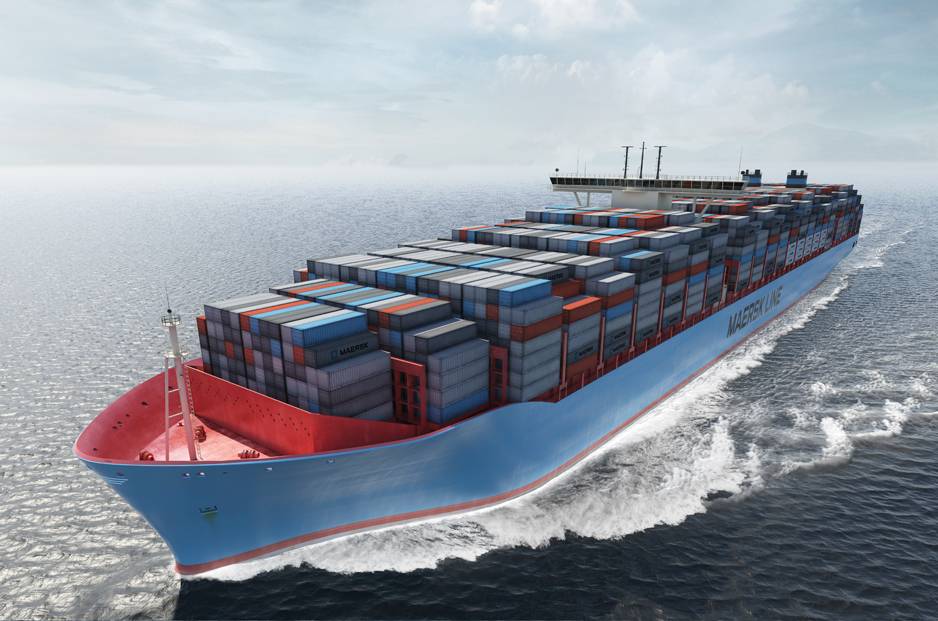
Managing freight logistics China is one of the most crucial aspects of international trade. Importers and exporters often face challenges such as fluctuating shipping costs, customs clearance delays, and unpredictable delivery schedules. However, by working with professional freight forwarders and understanding available logistics solutions, businesses can streamline operations, cut costs, and achieve reliable supply chain performance.
What Does Freight Logistics in China Include?
Freight logistics in China covers all processes of transporting goods—sea, air, rail, and courier shipping—as well as customs clearance, warehousing, and last-mile delivery. Additionally, logistics providers help businesses optimize supply chains by consolidating cargo, preparing documents, and ensuring compliance with global trade regulations.
Why Is China a Global Logistics Hub?
China is the world’s largest exporter, supported by:
- World-class ports such as Shanghai, Ningbo, and Shenzhen.
- Efficient airports like Shanghai Pudong (PVG) and Guangzhou Baiyun (CAN).
- Rail networks linking China to Europe via the Belt and Road Initiative.
- Strong manufacturing base producing goods across industries.
Therefore, China’s infrastructure makes it a key driver of global logistics and supply chain efficiency.
How Much Do Freight Logistics Services in China Cost?
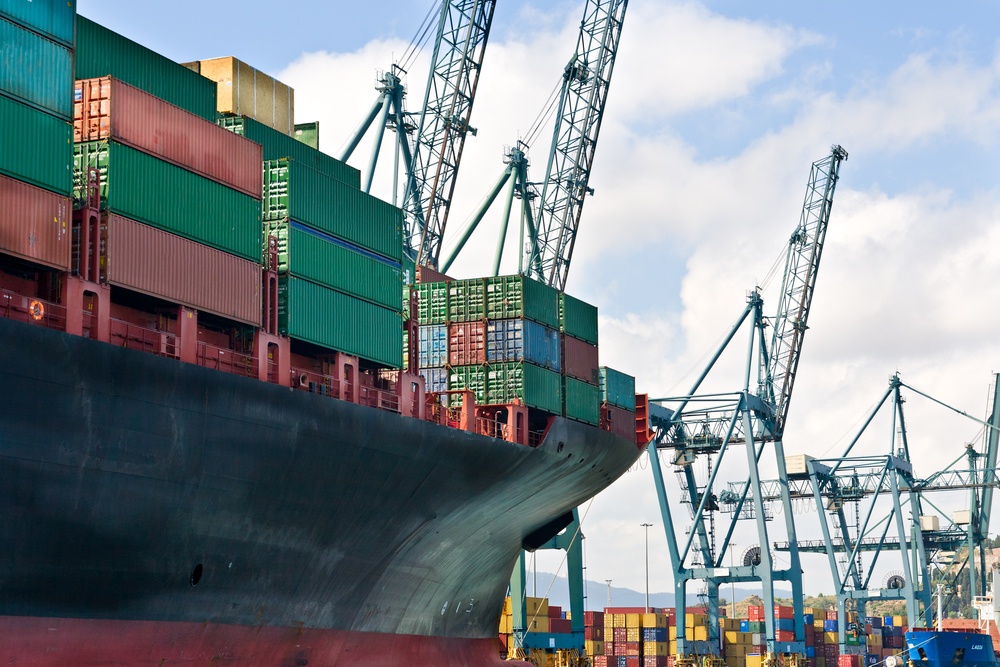
Costs vary depending on the method, destination, and shipment size.
| Shipping Method | Average Cost | Transit Time | Pros | Cons |
|---|---|---|---|---|
| Sea Freight (FCL 20ft) | $2,000–$3,200 | 25–40 days | Cheapest for bulk cargo | Slow transit |
| Sea Freight (LCL) | $80–$120 per CBM | 30–45 days | Affordable for small shipments | Delays due to consolidation |
| Air Freight | $5–$8 per kg | 5–10 days | Fast & reliable | Expensive |
| Rail Freight | $4,000–$6,000 per container | 15–25 days | Balance of cost & speed | Limited routes |
| Courier/Express | $7–$12 per kg | 3–7 days | Door-to-door convenience | High cost for bulk |
Additionally, seasonal demand increases costs before holidays like Chinese New Year.
What Documents Are Required for Freight Logistics in China?
Documentation ensures smooth customs clearance.
| Document | Purpose |
|---|---|
| Commercial Invoice | Declares goods’ value and description |
| Packing List | Provides package details |
| Bill of Lading / Airway Bill | Confirms shipment |
| Certificate of Origin | Identifies product origin |
| Import/Export Licenses | Required for restricted cargo |
| Insurance Certificate | Protects against transit risks |
Moreover, accurate paperwork prevents penalties and delays at customs.
Should You Choose Sea, Air, or Rail Freight from China?
| Mode | Best For | Transit Time | Cost | Pros | Cons |
|---|---|---|---|---|---|
| Sea Freight | Bulk shipments | 25–45 days | Low | Economical | Slower |
| Air Freight | Urgent cargo | 5–10 days | High | Fast & secure | Expensive |
| Rail Freight | Medium shipments to Europe | 15–25 days | Medium | Faster than sea | Limited routes |
| Courier/Express | Small parcels | 3–7 days | Very High | Door-to-door | Not for bulk |
Therefore, importers should balance urgency and cost before selecting a shipping method.
Which Ports and Airports Support Freight Logistics in China?
- Top Sea Ports: Shanghai, Shenzhen, Ningbo, Guangzhou, Qingdao.
- Major Airports: Shanghai Pudong (PVG), Beijing Capital (PEK), Guangzhou Baiyun (CAN), Shenzhen Bao’an (SZX).
- Rail Terminals: Yiwu, Chongqing, and Xi’an connecting to Europe.
Additionally, Shanghai’s port consistently ranks as the world’s busiest container terminal.
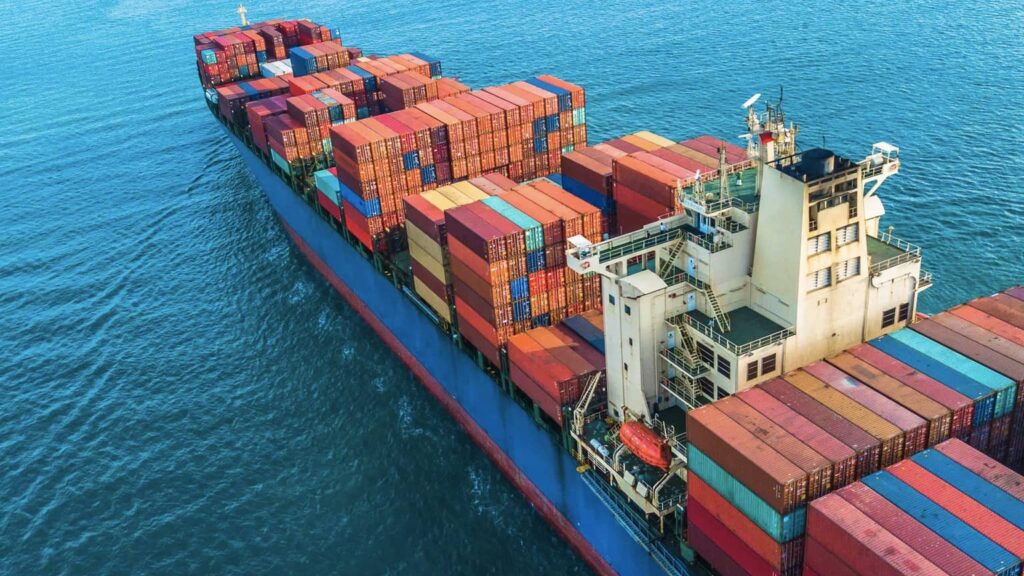
How Do Freight Forwarders Simplify Freight Logistics in China?
Freight forwarders handle complex logistics processes, including:
- Booking cargo space with carriers.
- Filing customs declarations.
- Providing door-to-door delivery.
- Offering insurance coverage.
- Consolidating shipments for lower costs.
Therefore, working with a forwarder ensures efficiency and reduces supply chain risks.
What Are the Pros and Cons of Freight Logistics in China?
| Pros | Cons |
|---|---|
| Competitive rates | Seasonal port congestion |
| Wide range of transport modes | Documentation complexity |
| Strong trade infrastructure | Rising air freight costs |
| Customs support | Regulatory differences by country |
Moreover, using experienced forwarders minimizes the impact of challenges.
How to Reduce Freight Logistics Costs in China?
- Plan shipments early to avoid peak-season surcharges.
- Use LCL for small shipments to cut costs.
- Consolidate orders for full containers.
- Leverage rail freight for mid-sized cargo to Europe.
- Choose reliable forwarders for transparent pricing.
Additionally, digital freight platforms provide instant quotes and better visibility.
Can SMEs Benefit from Freight Logistics in China?
Yes. Small and medium-sized businesses often rely on:
- Courier services for e-commerce orders.
- LCL shipping for shared containers.
- Door-to-door services (DDP/DAP) to simplify logistics.
- Digital platforms offering cost calculators and tracking.
Therefore, SMEs gain affordable access to global trade networks.
What Trends Are Shaping Freight Logistics in China?
Digital freight platforms offering transparency.
Sustainable shipping initiatives reducing carbon emissions.
E-commerce growth driving demand for express freight.
Belt and Road rail expansion boosting China–Europe trade.
Resilient supply chains adapting to disruptions.
Moreover, forwarders adopting these innovations remain competitive in global logistics.
📦Get a Free Quote
Optimize your supply chain by partnering with a trusted provider for freight logistics China. With flexible shipping solutions, competitive pricing, and professional customs support, your business can grow internationally with fewer risks. Contact us today to request a tailored logistics plan.
❓ Frequently Asked Questions
Q1: How long does sea freight from China take?
Typically 25–40 days, depending on the port of origin, destination, and seasonal conditions.
Q2: What is the cheapest way to ship goods from China?
Sea freight, especially FCL, is the most cost-effective option for large and heavy shipments.
Q3: Do I need a customs broker for imports from China?
Yes, brokers ensure proper HS code classification, duty payment, and customs compliance.
Q4: How much does air freight from China cost?
Air freight costs range from $5–$8 per kg, depending on carrier, cargo weight, and season.
Q5: Can small parcels be shipped from China via freight logistics?
Yes, courier services like DHL, UPS, and FedEx are ideal for e-commerce and small packages.
Conclusion
Choosing the right solutions for freight logistics China ensures cost savings, faster deliveries, and customs compliance. Sea freight remains the most economical for bulk cargo, air freight ensures speed, and rail offers a balance for Europe-bound shipments. Therefore, working with professional forwarders is the best way to simplify international trade and secure supply chain efficiency.