

- By kelly
- September 18, 2025
- Logistics Guide
Freight Shipping China to USA: Cost, Transit Time & Complete Guide
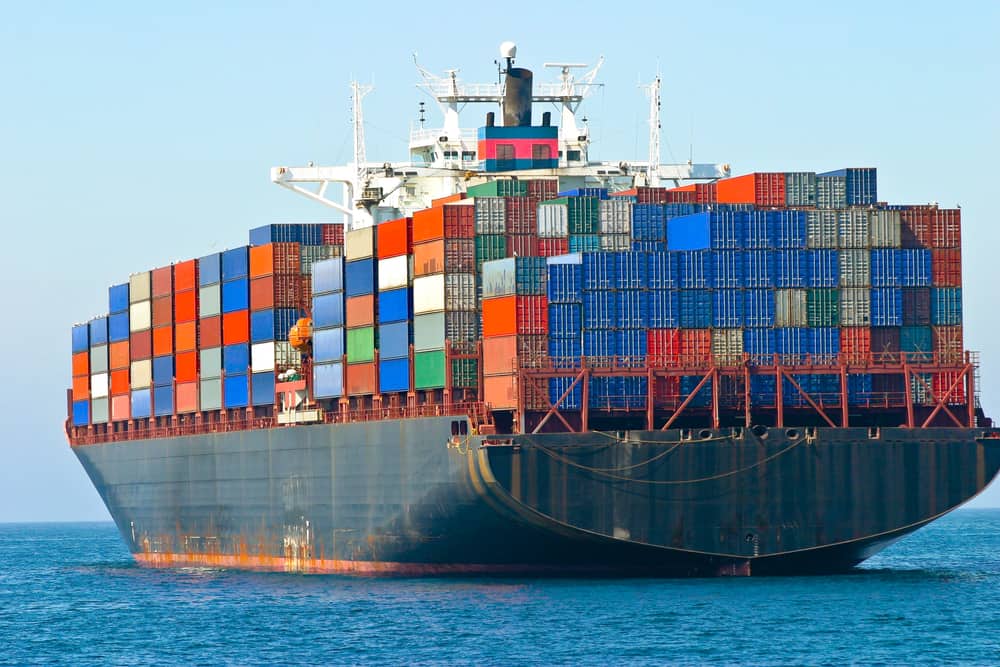
Freight shipping China to USA is one of the most important logistics channels in global trade. Businesses importing from China often struggle with unpredictable shipping costs, customs clearance, and long transit times. This guide provides a complete overview of methods, prices, regulations, and best practices to help you streamline your supply chain effectively.
1. What Are the Main Methods of Freight Shipping China to USA?
There are several ways to transport goods between China and the United States. Each method has unique benefits, costs, and transit times.
| Shipping Method | Average Cost | Transit Time | Best For | Pros | Cons |
|---|---|---|---|---|---|
| Sea Freight (FCL/LCL) | $3,000–$5,000 per 40ft container | 25–40 days | Bulk goods | Cheapest per unit | Slow, port delays |
| Air Freight | $5–$10 per kg | 5–10 days | Urgent, light cargo | Fast, reliable | Expensive |
| Express Courier (DHL/UPS/FedEx) | $8–$12 per kg | 3–7 days | Small parcels | Door-to-door, quick | Highest cost |
| Rail + Truck (via Eurasia) | $4,000–$6,000 per container | 20–25 days | Large shipments | Faster than sea | Limited routes |
2. How Much Does Freight Shipping China to USA Cost?
Shipping costs depend on weight, volume, method, and destination.
| Cargo Type | Sea Freight (FCL) | Sea Freight (LCL) | Air Freight | Courier |
|---|---|---|---|---|
| 1 CBM / 200kg | N/A | $200–$400 | $1,200–$1,800 | $1,600–$2,000 |
| 20ft Container | $2,000–$3,000 | N/A | N/A | N/A |
| 40ft Container | $3,000–$5,000 | N/A | N/A | N/A |
| 500kg shipment | N/A | $500–$800 | $2,500–$3,500 | $3,800–$4,200 |
Note: Rates fluctuate due to fuel, demand, and port congestion.
3. How Long Does Freight Shipping Take From China to USA?

Transit times vary significantly by method and port.
| Origin Port (China) | Destination Port (USA) | Sea Freight Transit | Air Freight Transit |
|---|---|---|---|
| Shanghai | Los Angeles | 18–22 days | 2–4 days |
| Shenzhen | New York | 30–35 days | 4–6 days |
| Ningbo | Houston | 28–33 days | 3–5 days |
Additionally, customs clearance may add 2–5 days to the total timeline.
4. What Documents Are Required for Freight Shipping China to USA?
Customs documentation is crucial to avoid delays.
| Document | Purpose |
|---|---|
| Bill of Lading (B/L) or Air Waybill (AWB) | Proof of shipment |
| Commercial Invoice | Declares value of goods |
| Packing List | Details cargo content |
| Importer Security Filing (ISF) | Required for ocean shipments to USA |
| Certificates (CE, FDA, FCC) | Product compliance |
| Customs Bond | Mandatory for imports over $2,500 |
5. Should You Choose FCL or LCL Shipping?
- FCL (Full Container Load): Cost-effective for large shipments, exclusive use of container.
- LCL (Less than Container Load): Shared space, cheaper for small volumes, but longer handling.
| Option | Cost Efficiency | Transit Time | Risk of Delay |
|---|---|---|---|
| FCL | Best for >15 CBM | Faster, direct | Low |
| LCL | Best for <15 CBM | Slower, consolidated | Higher |
6. What Are the Pros and Cons of Sea vs Air vs Rail?
| Factor | Sea Freight | Air Freight | Rail Freight |
|---|---|---|---|
| Cost | Lowest | Highest | Mid-range |
| Speed | Slow | Fastest | Medium |
| Reliability | High but port delays | Very reliable | Limited |
| Cargo Size | Best for bulk | Best for light cargo | Containerized only |
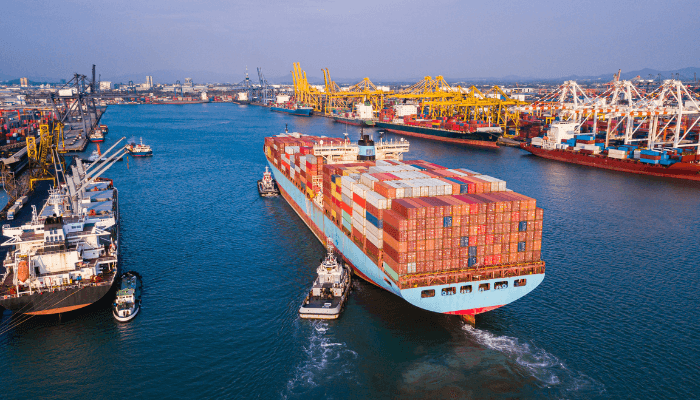
7. Can You Reduce the Cost of Freight Shipping China to USA?
Yes. Strategies include:
- Consolidating shipments to minimize LCL costs.
- Booking in off-peak seasons.
- Negotiating long-term contracts with freight forwarders.
- Choosing door-to-door DDP shipping to reduce hidden fees.
8. How Do Customs Duties and Taxes Affect Cost?
The U.S. applies tariffs based on the HS Code of your product.
- Import Duty: 0–25% (depending on product category).
- Merchandise Processing Fee (MPF): 0.3464% of value (min $27.23, max $528.33).
- Harbor Maintenance Fee (HMF): 0.125% of cargo value for sea freight.
9. What Are Common Challenges in Freight Shipping China to USA?
- Port congestion at Los Angeles & Long Beach.
- Trade tariff changes.
- Documentation errors leading to customs holds.
- Rising fuel surcharges.
- Seasonal peak demand (before Christmas & Chinese New Year).
10. Which Is the Best Shipping Method for Small Businesses?
- For samples or <100kg → Courier (fast, door-to-door).
- For 500kg–2 tons → Air freight for speed.
- For >15 CBM → Sea freight FCL for lower cost.
📦Get a Free Quote
Looking for the most reliable freight shipping China to USA solutions? Our team provides cost-effective sea, air, and courier options tailored to your business needs. Contact us today for a free shipping quote and expert guidance.
❓ Frequently Asked Questions
Q1: What is the cheapest way to ship freight from China to the USA?
Sea freight is generally the cheapest method, especially FCL for bulk cargo. LCL can also be cost-effective for smaller loads.
Q2: How long does it take to ship from China to USA by sea?
Most ocean freight shipments take 25–40 days depending on port of origin, destination, and customs clearance time.
Q3: Do I need a customs broker for importing from China?
Yes, a licensed customs broker ensures compliance, prepares documents, pays duties, and prevents costly shipment delays.
Q4: What is the difference between DDP and DAP shipping from China?
DDP (Delivered Duty Paid) includes customs duties and delivery, while DAP (Delivered at Place) excludes import taxes.
Q5: Can I track my shipment from China to the USA?
Yes, most freight forwarders and couriers provide tracking systems for real-time visibility of cargo movements.
Conclusion
Freight shipping China to USA plays a critical role in global trade, but costs, customs, and transit times vary widely by method. Sea freight is the most economical for bulk cargo, while air freight is best for urgent shipments. With the right freight forwarder, proper documentation, and strategic planning, importers can minimize expenses and ensure timely deliveries. For tailored solutions, always compare options and choose the method that aligns with your supply chain goals.