

- By ayla tj
- September 18, 2025
- Logistics Guide
Sea freight from China to Australia remains one of the most cost-effective and reliable ways for businesses to transport goods. Whether you are importing in bulk or managing smaller shipments, understanding freight costs, transit times, and customs requirements is crucial. With trusted Chinese freight forwarders offering flexible solutions like FCL, LCL, air freight, and courier services, businesses can streamline their supply chains and reduce logistics challenges.
1. Why Choose Sea Freight from China to Australia?
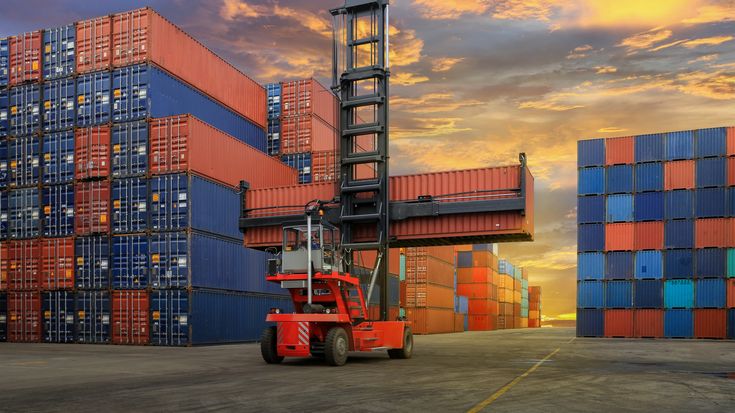
Sea freight from China to Australia is the backbone of global trade, especially between China and Australia. It offers:
- Lower costs compared to air freight.
- Flexibility with container sizes (20ft, 40ft, or shared LCL).
- Ability to handle oversized, heavy, or hazardous goods.
Moreover, Australia’s ports (Sydney, Melbourne, Brisbane, Fremantle) have direct connections with China’s key ports like Shanghai, Shenzhen, Guangzhou, and Ningbo.
2. What Are the Sea Freight Options Available?
There are two main shipping methods:
| Shipping Method | Description | Best For | Cost | Transit Time |
|---|---|---|---|---|
| FCL (Full Container Load) | Exclusive use of a 20ft or 40ft container. | Large shipments | Lower per unit | 18–28 days |
| LCL (Less than Container Load) | Share space with other shippers. | Small/medium cargo | Higher per unit | 22–32 days |
Additionally, some businesses combine sea and air freight (multimodal transport) for urgent but bulk shipments.
3. How Much Does Sea Freight from China to Australia Cost?
Costs vary based on cargo size, route, and seasonality.
| Container Type | Avg. Cost (USD) | Capacity | Notes |
|---|---|---|---|
| 20ft FCL | $1,800–$2,500 | ~28 CBM / 28,000 kg | Suitable for small/medium importers |
| 40ft FCL | $2,800–$3,800 | ~58 CBM / 28,000 kg | Best for large shipments |
| LCL | $80–$150 per CBM | Flexible | Ideal for <15 CBM cargo |
What are you waiting for?
Contact TJ China Freight for a fast, free quote.
Are you ready to book?
Access live instant freight quotes
4. How Long Does Sea Freight from China to Australia Take?
Transit times depend on origin and destination ports:
| Origin Port (China) | Destination Port (Australia) | Transit Time (Days) |
|---|---|---|
| Shanghai | Sydney | 18–22 |
| Shenzhen | Melbourne | 20–24 |
| Ningbo | Brisbane | 21–25 |
| Qingdao | Fremantle | 24–28 |
While sea freight from China to Australia takes longer than air freight (3–7 days), it remains the most cost-efficient method.
5. What Documents Are Required for Sea Freight from China to Australia?
Proper documentation ensures smooth customs clearance:
| Document | Purpose |
|---|---|
| Bill of Lading (B/L) | Proof of shipment |
| Commercial Invoice | Declares value of goods |
| Packing List | Cargo details (weight, dimensions) |
| Import Declaration | Required by Australian Customs |
| Certificate of Origin | Confirms product’s origin |
Failure to provide accurate documents can lead to delays or fines.
6. Customs Duties and Taxes in Australia
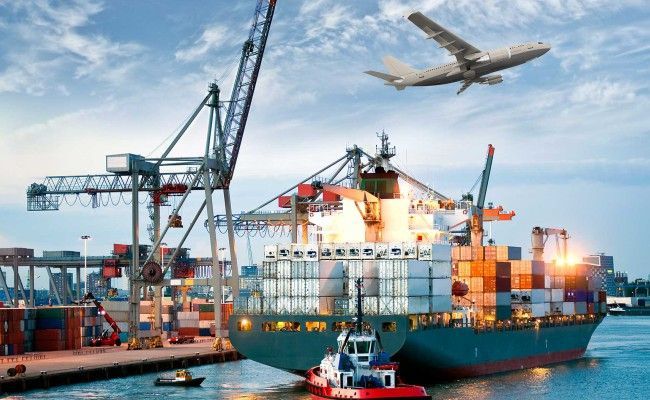
When importing goods, Australian Border Force applies:
- Import Duty: Generally 5% of the customs value.
- Goods and Services Tax (GST): 10% on most imported goods.
- Tariffs & Quarantine Fees: Vary depending on product type.
Additionally, goods such as food, chemicals, or medical supplies may require extra permits under AQIS (Australian Quarantine and Inspection Service).
7. What Are the Advantages and Disadvantages of Sea Freight from China to Australia?
| Factor | Sea Freight | Air Freight | Rail Freight |
|---|---|---|---|
| Cost | Low | High | Medium |
| Speed | Slow | Fast | Moderate |
| Cargo Volume | Large | Limited | Medium |
| Environmental Impact | Lower CO₂ per kg | Higher CO₂ | Moderate |
| Reliability | Moderate (weather delays) | High | Medium |
Although slower, sea freight from China to Australia offers unmatched affordability for bulk shipments.
8. Can Small Businesses Use Sea Freight from China to Australia?
Yes. Small businesses can take advantage of LCL shipments, paying only for the space they need. This allows startups and SMEs to compete effectively without requiring massive import volumes.
9. How to Reduce Sea Freight from China to Australia Costs?
Several strategies help importers save money:
- Book early to avoid peak-season surcharges.
- Choose the right Incoterms (FOB, CIF, DAP) to balance risks and costs.
- Consolidate shipments to fill a container.
- Work with experienced freight forwarders who can negotiate better rates.
10. Should You Use a Freight Forwarder for Sea Freight from China to Australia?
Hiring a reliable Chinese freight forwarder simplifies the process:
- Handles booking, customs, and delivery.
- Offers door-to-door services.
- Provides real-time shipment tracking.
- Ensures compliance with import/export laws.
This reduces risks and saves time, making the logistics process seamless.
11. Future Trends in Sea Freight from China to Australia
- Digitalization: Online booking and tracking systems improve efficiency.
- Sustainability: More eco-friendly shipping practices.
- Port Expansions: Upgrades in Sydney and Melbourne to handle larger vessels.
- Trade Agreements: RCEP (Regional Comprehensive Economic Partnership) may reduce tariffs.
These trends will further strengthen trade ties between the two countries.
Final Thoughts
Shipping via sea freight from China to Australia remains the most cost-efficient and practical choice for importers. While transit times are longer compared to air freight, the affordability, capacity, and flexibility of sea transport make it ideal for businesses of all sizes. By preparing the right documents, understanding customs requirements, and working with professional freight forwarders, importers can ensure smooth and reliable trade operations between the two countries.
FAQ
Q1: Can I ship personal items via sea freight from China to Australia?
Yes, personal belongings can be shipped, but customs may require detailed packing lists and declarations.
Q2: What is the cheapest way to ship small volumes from China?
LCL sea freight from China to Australia is the most affordable option for shipments under 15 CBM.
Q3: Do I need an import license to ship goods to Australia?
Most goods do not require a license, but restricted products may need permits.
Q4: How early should I book sea freight before shipment?
Booking at least 2–3 weeks in advance is recommended, especially during peak seasons.
Q5: Can hazardous materials be shipped by sea freight?
Yes, but they must follow IMDG (International Maritime Dangerous Goods) regulations.