

- By ayla tj
- September 18, 2025
- Logistics Guide
Air freight from China to Canada is one of the fastest and most reliable methods for businesses looking to move goods across continents. However, many importers struggle with high shipping costs, customs complexities, and unpredictable delivery schedules. By working with reliable Chinese freight forwarders offering services such as sea freight, rail freight, and courier shipping, businesses can optimize supply chains and ensure smooth delivery.
1. Why Choose Air Freight from China to Canada?
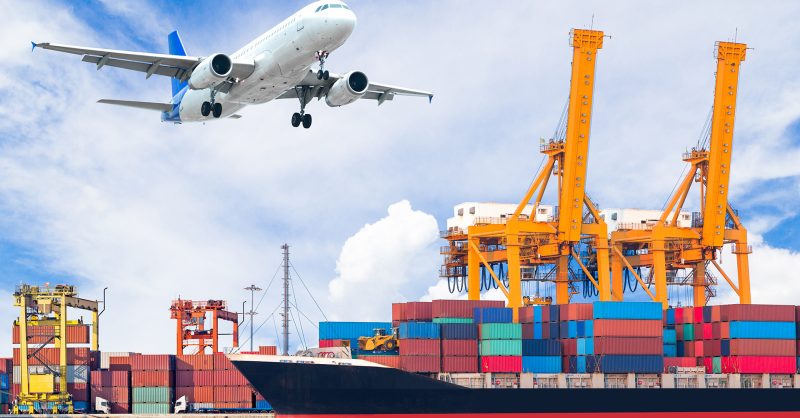
Air freight offers unmatched speed and security for urgent shipments. While sea freight is cheaper, air shipping ensures:
- Faster transit times (3–7 days vs. weeks by sea).
- Reliable schedules with daily flights.
- Better handling of high-value, fragile, or perishable goods.
Moreover, major Canadian airports such as Toronto (YYZ), Vancouver (YVR), and Montreal (YUL) maintain strong connectivity with Chinese hubs like Shanghai, Shenzhen, and Beijing.
2. What Are the Air Freight Options?
Air cargo options vary depending on shipment size and urgency:
| Shipping Option | Description | Best For | Cost | Transit Time |
|---|---|---|---|---|
| Standard Air Freight | Economy service with 5–8 days transit. | Regular shipments | Medium | 5–8 days |
| Express Air Freight | Priority delivery via DHL, FedEx, UPS. | Urgent cargo | High | 3–5 days |
| Consolidated Air Freight | Cargo combined with other shipments. | SMEs, cost-conscious | Lower | 6–10 days |
3. How Much Does Air Freight from China to Canada Cost?
Air freight pricing is based on chargeable weight, which considers both actual and volumetric weight.
| Route | Avg. Rate (USD/kg) | Transit Time | Notes |
|---|---|---|---|
| Shanghai → Toronto | $4.5 – $7.0 | 5–7 days | High-volume trade lane |
| Shenzhen → Vancouver | $4.0 – $6.5 | 4–6 days | Popular for electronics |
| Beijing → Montreal | $4.8 – $7.2 | 5–8 days | Efficient for mixed cargo |
What are you waiting for?
Contact TJ China Freight for a fast, free quote.
Are you ready to book?
Access live instant freight quotes
4. How to Calculate Chargeable Weight?
Air freight cost depends on whichever is greater:
Chargeable Weight = Max (Actual Weight, Volumetric Weight)
| Formula | Example | Result |
|---|---|---|
| Volumetric Weight = (L × W × H) ÷ 6000 | 100 × 80 × 80 cm | 106.6 kg |
| Actual Weight | 90 kg | 90 kg |
| Chargeable Weight | — | 106.6 kg |
5. How Long Does Air Freight from China to Canada Take?
Transit times vary by route and service type:
| Origin (China) | Destination (Canada) | Standard Transit (Days) | Express Transit (Days) |
|---|---|---|---|
| Shanghai | Toronto | 5–7 | 3–5 |
| Shenzhen | Vancouver | 4–6 | 2–4 |
| Beijing | Montreal | 6–8 | 3–5 |
Compared with sea freight (20–30 days), air freight from China to Canada saves weeks in delivery time.
6. What Documents Are Required?
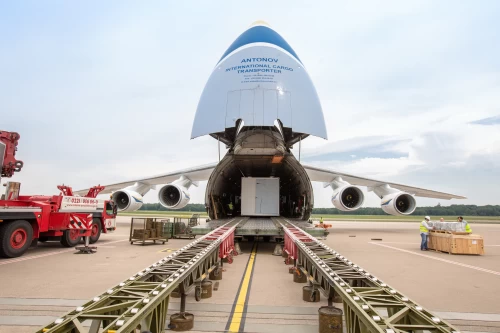
Correct documentation ensures quick customs clearance:
| Document | Purpose |
|---|---|
| Air Waybill (AWB) | Proof of air shipment |
| Commercial Invoice | Declares product value |
| Packing List | Details cargo dimensions & weight |
| Canada Customs Declaration | Import compliance |
| Certificate of Origin | Confirms manufacturing country |
Incomplete paperwork may result in delays, fines, or extra storage costs.
7. Customs Duties & Taxes in Canada
Importers must prepare for duties and GST/HST:
- Import Duty: Varies by product classification.
- GST/HST: 5–15% depending on province.
- Excise Taxes: Apply on alcohol, tobacco, and fuel products.
Canada uses the HS Code system to determine tariffs, making accurate classification essential.
8. What Are the Advantages and Disadvantages of Air Freight?
| Factor | Air Freight | Sea Freight | Rail Freight |
|---|---|---|---|
| Cost | High | Low | Medium |
| Speed | Fast (3–7 days) | Slow (20–30 days) | Moderate (15–20 days) |
| Reliability | Very High | Moderate | Medium |
| Cargo Type | Small/high-value | Bulk/large | Medium |
| Carbon Impact | Higher | Lower | Moderate |
Thus, while costly, air freight from China to Canada provides unbeatable reliability for urgent and high-value shipments.
9. Can Small Businesses Use Air Freight from China to Canada?
Yes. SMEs often prefer consolidated air cargo or express courier services for small to medium shipments. These methods:
- Reduce upfront costs.
- Provide flexible scheduling.
- Allow door-to-door tracking.
10. How to Reduce Air Freight Costs?
Smart logistics strategies help lower expenses:
- Book early to secure lower rates.
- Use consolidation services for small shipments.
- Optimize packaging to reduce volumetric weight.
- Choose off-peak seasons to avoid surcharges.
- Partner with experienced freight forwarders who negotiate bulk discounts.
11. Should You Hire a Freight Forwarder?
Working with a reliable Chinese freight forwarder is highly recommended. They manage:
- Cargo booking and airline arrangements.
- Export documentation and compliance.
- Customs clearance in Canada.
- Final delivery to warehouses or doorsteps.
This ensures smooth, hassle-free operations for importers of all sizes.
12. Future Trends in Air Freight from China to Canada
- Digital Platforms: Faster booking and live tracking.
- Green Aviation: Airlines adopting fuel-efficient fleets.
- Supply Chain Integration: Improved warehouse-airport connectivity.
- Trade Agreements: New trade policies may reduce tariffs and streamline clearance.
These developments will continue making air freight from China to Canada faster, smarter, and more sustainable.
Final Thoughts
In summary, air freight from China to Canada is the best option for businesses requiring speed, security, and reliability. Although costs are higher than sea or rail freight, the shorter transit times and professional handling make it ideal for high-value or time-sensitive goods. By preparing accurate documents, understanding customs, and working with experienced freight forwarders, importers can ensure a smooth and efficient logistics process between China and Canada.
FAQ
Q1: Can I ship perishable goods via air freight?
Yes, air freight carriers offer temperature-controlled solutions for food, medicine, and other sensitive products.
Q2: What is the minimum weight for air freight from China to Canada?
Most airlines accept as low as 45 kg, but smaller shipments may be more cost-effective via courier.
Q3: Are batteries or electronics restricted in air freight?
Yes, lithium batteries and certain electronics require special handling under IATA regulations.
Q4: How do I know if my cargo qualifies for express air freight?
Shipments under 200 kg with urgent delivery are ideal for express services.
Q5: Do I need an import license for goods shipped to Canada?
Not always; however, restricted goods like chemicals may require special permits.