

- By kelly
- September 18, 2025
- Logistics Guide
Freight Train from China to UK: Cost, Transit Time & Complete Guide
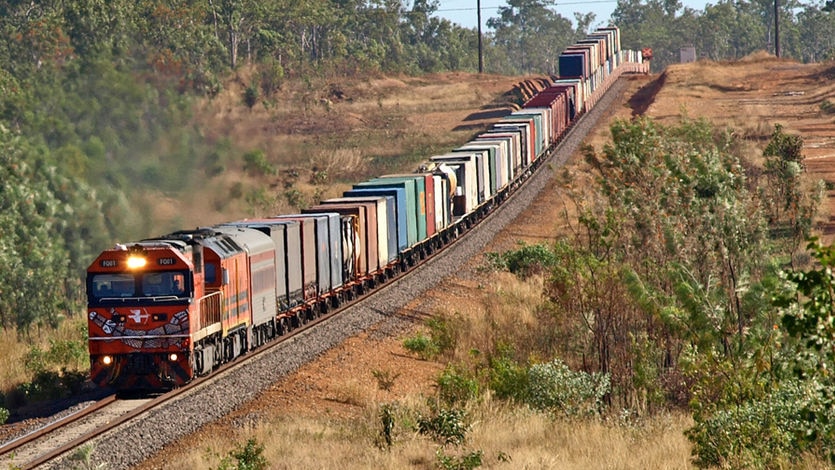
Freight train from China to UK has emerged as a reliable alternative to ocean and air transport. Many businesses struggle with high air freight costs and slow sea freight transit times. Rail freight bridges the gap, providing faster delivery than sea and lower costs than air. This guide explains costs, transit schedules, customs, and the pros and cons of rail logistics between China and the UK.
1. What Is the Freight Train from China to UK Service?
The service forms part of the China–Europe Railway Express, connecting major Chinese hubs like Yiwu, Chongqing, and Xi’an with London and other UK destinations. Operated under the Belt and Road Initiative, the service offers both FCL (Full Container Load) and LCL (Less than Container Load) options, making it suitable for both large enterprises and SMEs.
2. How Much Does Rail Freight from China to UK Cost?
Rail freight sits between sea and air costs, making it a balanced option for medium-value cargo.
| Cargo Type | Rail Freight Cost | Sea Freight Cost | Air Freight Cost |
|---|---|---|---|
| 1 CBM / 200kg | $500–$700 | $250–$400 | $1,600–$1,900 |
| 20ft Container | $6,500–$7,500 | $2,200–$3,000 | N/A |
| 40ft Container | $9,500–$11,000 | $3,500–$5,000 | N/A |
| 500kg shipment | $1,400–$1,800 | $700–$900 | $3,200–$3,800 |
Costs vary based on season, fuel surcharges, and customs requirements.
3. How Long Does It Take to Ship by Train from China to UK?
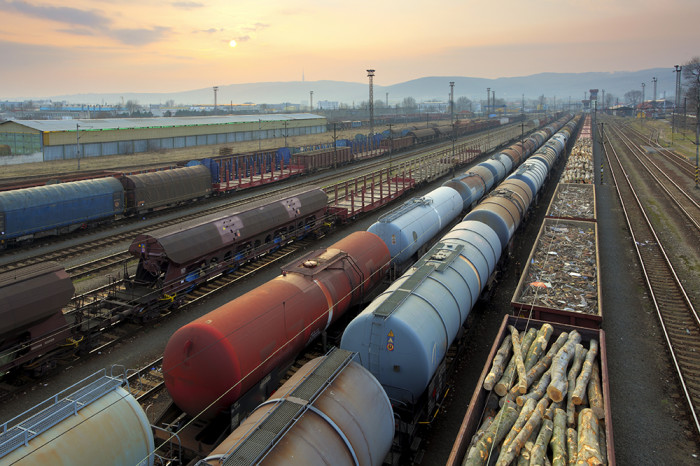
Rail freight is significantly faster than sea freight, though slower than air.
| Origin City (China) | Destination (UK) | Average Transit Time |
|---|---|---|
| Yiwu | London | 18–22 days |
| Xi’an | London | 16–20 days |
| Chongqing | London | 18–23 days |
| Wuhan | London | 20–24 days |
Comparison:
- Sea Freight: 30–40 days
- Air Freight: 3–7 days
4. What Documents Are Needed for Freight Train Shipments?
Accurate documentation prevents costly delays at borders.
| Document | Purpose |
|---|---|
| Rail Waybill (RWB) | Confirms cargo carriage by rail |
| Commercial Invoice | Declares shipment value |
| Packing List | Details cargo contents |
| Import Declaration | Required for UK customs clearance |
| Certificates (CE/FDA) | Compliance for specific regulated goods |
| Customs Bond | Needed for shipments exceeding value thresholds |
5. What Goods Are Best Suited for Rail Freight?
The freight train service works well for:
- Electronics and consumer goods
- Fashion and textiles
- Automotive parts and machinery
- Pharmaceuticals (with reefer containers)
- E-commerce parcels
It is less suitable for hazardous cargo or very bulky raw materials.
6. Why Choose Rail Freight Over Sea or Air?
| Factor | Rail Freight | Sea Freight | Air Freight |
|---|---|---|---|
| Cost | Mid-range | Lowest | Highest |
| Speed | 16–24 days | 30–40 days | 3–7 days |
| Reliability | Fixed schedules | Port congestion | Weather-related delays |
| Carbon Footprint | Lower than air | Moderate | Highest |
| Cargo Suitability | Containerized loads | Bulk cargo | Small/light cargo |
7. How Do Customs and Duties Work?
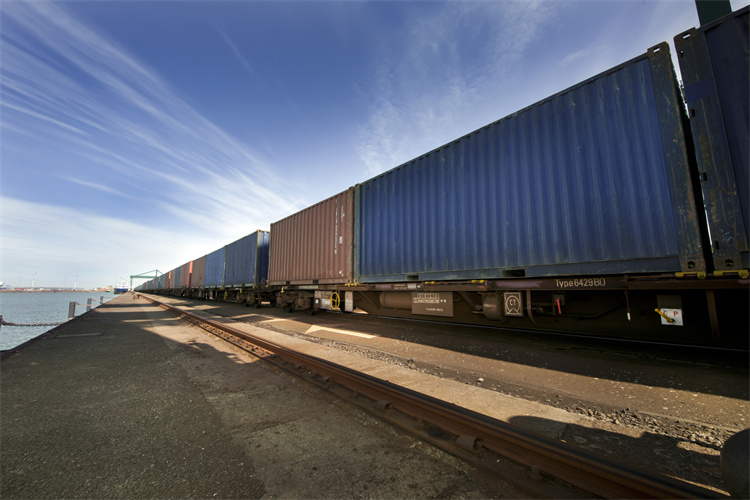
Customs clearance is required at both departure and arrival points.
- Import Duties: Based on HS Codes (0–25%).
- VAT: Standard UK VAT of 20%, reclaimable for registered businesses.
- Clearance Time: Typically 1–3 days if documents are complete.
Using an experienced customs broker ensures smooth processing and prevents shipment holds.
8. Can Small Businesses Use Freight Train Services?
Yes. LCL (Less than Container Load) options allow small businesses to share container space, paying only for the volume they ship. This makes rail freight affordable for SMEs that cannot fill a full container but still want faster transit than sea shipping.
9. What Are the Pros and Cons of Freight Train from China to UK?
| Pros | Cons |
|---|---|
| Faster than sea freight | Higher cost than ocean shipping |
| Cheaper than air freight | Border delays possible |
| Eco-friendly transport option | Limited reefer container supply |
| Fixed, reliable schedules | Multiple customs checks |
| Suitable for FCL & LCL shipments | Seasonal capacity shortages |
10. What Challenges Should Importers Expect?
- Border Inspections: Delays may occur at checkpoints.
- Peak Season Congestion: High demand before holidays.
- Documentation Errors: Missing forms cause costly holds.
- Tariff Changes: UK/EU trade rules may shift.
- Capacity Constraints: Limited space during peak shipping cycles.
11. How to Reduce Rail Freight Costs?
- Book shipments during off-peak periods.
- Use LCL consolidation for small loads.
- Partner with reliable freight forwarders.
- Explore multimodal solutions (rail + truck).
- Negotiate long-term rates if shipping regularly.
📦Get a Free Quote
Looking for the most dependable freight train from China to UK solutions? Our expert logistics team provides cost-effective rail services, full customs support, and flexible options for both FCL and LCL. Contact us today for a free quote and optimize your supply chain with confidence.
❓ Frequently Asked Questions
Q1: Is rail freight cheaper than air freight from China to UK?
Yes, rail freight costs are typically 40–60% lower than air freight, making it ideal for medium-value shipments.
Q2: How long does rail freight take from China to UK?
Transit times usually range between 16–24 days, depending on the departure city and customs clearance processes.
Q3: Can small shipments use rail freight services?
Yes, with LCL shipping, small businesses can consolidate goods with others and pay only for used container space.
Q4: What are the busiest routes from China to UK?
Popular routes include Yiwu–London, Xi’an–London, and Chongqing–London, all passing through Poland into Western Europe.
Q5: Are perishable goods suitable for train transport?
Yes, reefer containers allow temperature-controlled shipments, but capacity is limited and requires advance booking.
Conclusion
The freight train from China to UK service offers a strategic balance between cost and speed. With transit times of 16–24 days, lower prices than air, and faster delivery than sea, rail freight is a practical solution for businesses of all sizes. By preparing documents correctly and working with an experienced freight forwarder, companies can enjoy reliable, eco-friendly, and efficient supply chain operations between China and the UK.