How long does sea freight take from China? Typically, 25–40 days, depending on the origin port, destination, and shipping method. Sea freight remains the most popular shipping option because it balances affordability with large cargo capacity. However, customs clearance, port congestion, and shipping schedules can affect delivery time. This guide breaks down everything you need to know.
1. What Is Sea Freight Shipping from China?
Sea freight is the process of transporting goods in large containers by ship. It is the most cost-effective option for global trade, especially for heavy or bulky cargo. Businesses rely on sea freight for full container loads (FCL), less than container loads (LCL), and specialized cargo.
2. How Long Does Sea Freight Take from China to Different Destinations?
Transit times depend on distance, shipping lanes, and port operations.
Origin Port (China)
Destination Port (US/EU)
Average Transit Time
Shanghai → Los Angeles
18–22 days
Fastest West Coast route
Shenzhen → New York
30–35 days
East Coast via Panama Canal
Ningbo → Hamburg (Germany)
30–40 days
Europe’s main hub
Qingdao → Sydney (Australia)
20–25 days
Asia-Pacific route
Guangzhou → Dubai (UAE)
18–23 days
Middle East trade lane
Key takeaway: West Coast routes are faster than East Coast, and transshipment can extend timelines.
3. How Do FCL and LCL Shipments Affect Delivery Time?
Mode
Transit Time
Benefits
Drawbacks
FCL (Full Container Load)
25–35 days
Direct transport, faster, secure
Higher cost if not fully loaded
LCL (Less than Container Load)
30–40 days
Affordable for small cargo
Slower due to consolidation
FCL is usually faster since it skips extra handling steps. LCL requires grouping and unpacking shipments, adding several days.
4. What Factors Influence Sea Freight Transit Time?
Several elements affect shipping timelines:
Port congestion: Busy ports cause waiting delays.
Customs clearance: Missing documents can add 3–7 days.
Weather disruptions: Typhoons and storms can delay schedules.
Shipping seasons: Chinese New Year and holiday seasons slow operations.
Direct vs. transshipment routes: Direct sailings are faster than multi-stop journeys.
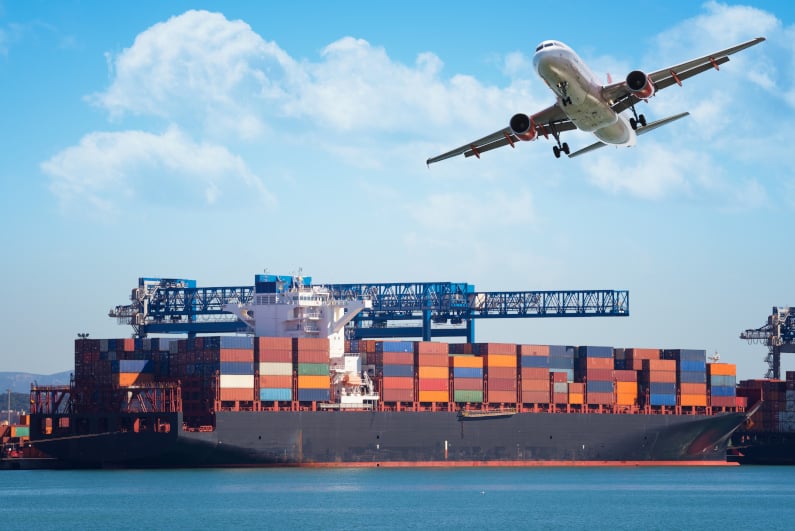
5. How Does Sea Freight Compare with Other Shipping Methods?
Need fast, reliable sea freight shipping from China? Our logistics team specializes in FCL and LCL solutions, offering competitive rates and tailored support. Contact us today to get a customized quote and streamline your supply chain.
Q1: How long does sea freight take from China to US West Coast?
It usually takes 18–22 days, depending on port congestion and clearance.
Q2: How long does shipping from China to Europe by sea take?
Transit times are 30–40 days, depending on direct or transshipment routes.
Q3: Is sea freight cheaper than air freight?
Yes, sea freight is much cheaper, especially for heavy or large cargo.
Q4: How do customs delays affect shipping time?
Incomplete or inaccurate paperwork can extend clearance by several days.
Q5: Does LCL always take longer than FCL?
Yes, because consolidation and deconsolidation add extra steps.
Conclusion
So, how long does sea freight take from China? On average, between 25–40 days, with faster deliveries to West Coast US ports and longer to East Coast or Europe. While slower than air freight, sea shipping remains the best choice for bulk and cost-sensitive shipments. With proper planning, reliable partners, and accurate documentation, businesses can minimize delays and optimize transit times.