

- By carlie tj
- September 19, 2025
- Logistics Guide
Finding a trusted freight forwarder China to Nigeria is essential for businesses importing electronics, textiles, machinery, and consumer goods. With China Top Freight, importers benefit from competitive rates, efficient shipping solutions, and expert customs support across multiple transport modes.
1. Why Should You Work with a Freight Forwarder China to Nigeria?
International trade involves navigating customs, tariffs, and logistics challenges. Therefore, a professional freight forwarder helps reduce risks, optimize costs, and ensure smooth supply chains between China and Nigeria.
2. How Long Does Shipping from China to Nigeria Take?
Transit times depend on the chosen method:
| Shipping Method | Average Transit Time | Notes |
|---|---|---|
| Sea Freight (FCL) | 35–45 days | Best for full container loads |
| Sea Freight (LCL) | 40–50 days | Suitable for small to medium cargo |
| Air Freight | 5–10 days | Fast and reliable |
| Express Courier | 3–5 days | Best for urgent shipments |
Moreover, customs inspections and port congestion can affect delivery schedules.
3. What Are the Shipping Costs from China to Nigeria?
Rates vary based on cargo size, volume, and transport mode:
| Mode of Transport | Estimated Cost | Best Suited For |
|---|---|---|
| FCL 20ft Container | $3,200–$3,800 | Medium-volume imports |
| FCL 40ft Container | $5,800–$7,200 | Large shipments |
| LCL (per CBM) | $180–$220 | Small shipments |
| Air Freight (per kg) | $7–$10 | Urgent goods |
| Courier (per kg) | $12–$18 | Small, time-sensitive parcels |
Additionally, seasonal demand, oil prices, and route availability can influence total freight charges.
4. Which Are the Main Shipping Routes from China to Nigeria?
Sea Freight: Goods move from Shenzhen, Shanghai, and Ningbo to Lagos (Apapa Port) or Port Harcourt.
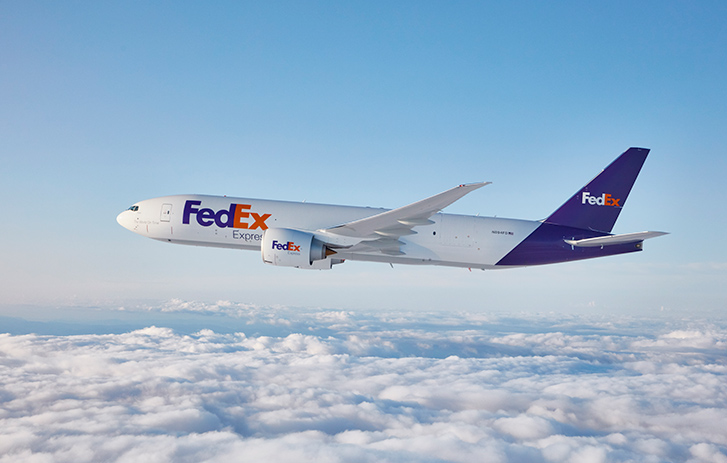
Air Freight: Cargo departs from Guangzhou, Hong Kong, and Beijing to Lagos Murtala Muhammed International Airport.
Door-to-Door Shipping: Includes pickup in China, customs clearance, and final delivery in Nigeria.
5. What Documents Are Required for Importing into Nigeria?
To comply with Nigerian customs regulations, importers must prepare:
- Bill of Lading or Airway Bill
- Commercial Invoice
- Packing List
- Certificate of Origin
- Form M (mandatory for imports)
- Pre-Arrival Assessment Report (PAAR)
Accurate documents help avoid costly delays and penalties.
6. How Do Nigerian Customs Procedures Work?
Nigeria requires importers to register Form M before shipment. Additionally:
- Duty rates vary depending on HS codes.
- VAT of 7.5% applies to imports.
- PAAR must be issued by the Nigeria Customs Service.
Therefore, using an experienced freight forwarder ensures smoother clearance.
7.Conclusion
Partnering with an experienced freight forwarder China to Nigeria ensures efficient shipping, cost savings, and compliance with customs requirements. With China Top Freight, importers benefit from reliable sea and air solutions, door-to-door delivery, and expert logistics support to keep supply chains running smoothly.
8. Request a Quote
China Top Freight offers:
- ✅ Origin and Destination Countries
- ✅ Cargo Type and Volume
- ✅ Preferred Transport Method (Air, Sea, Rail, Road)
- ✅ Delivery Timeline
- ✅ Special Handling Requirements (if any)
9. FAQ
Q1: What is the cheapest way to ship from China to Nigeria?
Sea freight FCL offers the most affordable solution for heavy shipments, spreading costs across full container loads to reduce per-unit expenses.
Q2: Which Nigerian ports handle goods from China?
Lagos (Apapa) and Port Harcourt are the busiest ports receiving Chinese imports, serving as Nigeria’s primary gateways for sea freight cargo.
Q3: Can small businesses import from China to Nigeria affordably?
Small businesses can use LCL shipping, consolidating smaller shipments with others, lowering costs while maintaining access to regular sailing schedules.
Q4: Do all imports into Nigeria require Form M?
Form M is mandatory for most imports into Nigeria, ensuring compliance with the Nigeria Customs Service before shipment departs from China.
Q5: How long does customs clearance in Nigeria take?
Clearance usually takes 3–5 working days if documents are accurate. Delays occur if inspections are needed or paperwork is incomplete.