

- By kelly
- September 19, 2025
- Logistics Guide
How to Get Freight Forwarder in China: Complete 2025 Guide
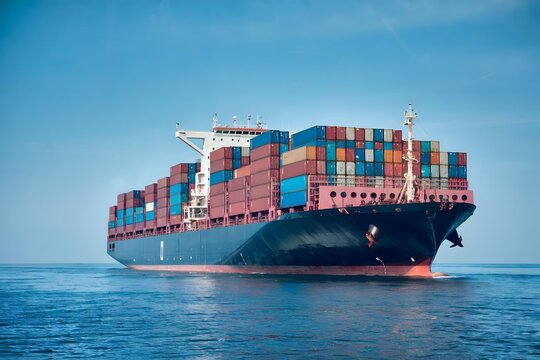
If you import goods from Asia, one of the first questions you’ll face is how to get freight forwarder in China who can reliably handle your logistics. With thousands of options, finding the right partner can be overwhelming. However, with proper research and clear selection criteria, you can secure a forwarder who ensures lower costs, smooth customs clearance, and timely deliveries.
1. What Is a Freight Forwarder in China?
A freight forwarder is a logistics company that coordinates shipping between your Chinese supplier and your final destination.
Their main responsibilities include:
- Booking space with shipping lines, airlines, or rail operators.
- Preparing customs clearance paperwork.
- Managing warehouse storage and consolidation.
- Arranging door-to-door deliveries.
- Advising on tariffs, duties, and supply chain optimization.
Without a trusted forwarder, importers risk delays, unexpected charges, and compliance issues.
2. Why Do You Need a Freight Forwarder in China?
Working directly with carriers can be confusing and time-consuming. However, a freight forwarder provides several benefits:
- Cost Savings: Negotiated bulk rates with carriers.
- Customs Expertise: Ensures compliance with import/export regulations.
- Efficiency: Handles documentation and delivery schedules.
- Risk Reduction: Minimizes losses with cargo insurance and proper handling.
- Flexibility: Offers multiple transport options—air, sea, rail, courier.
3. How to Get Freight Forwarder in China?
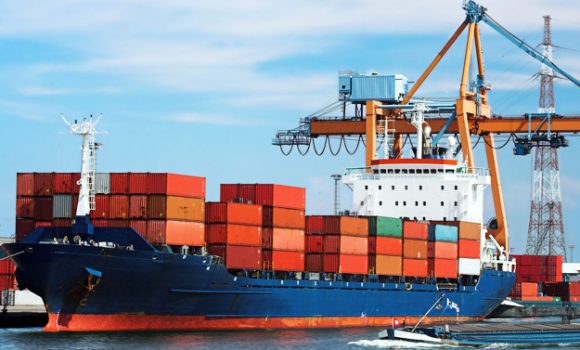
You can find reliable providers through several channels:
- Online Directories: Alibaba, Made-in-China, and Global Sources list forwarders.
- Industry Associations: FIATA, WCA, and China International Freight Forwarders Association maintain membership databases.
- Supplier Recommendations: Many factories in China already work with forwarders.
- Digital Platforms: Freightos, Flexport, and other platforms simplify comparisons.
- Local Visits: Visiting Shenzhen, Guangzhou, or Shanghai offices adds credibility.
4. What Factors Should You Consider Before Choosing?
When deciding how to get freight forwarder in China, evaluate these factors:
- Industry Experience: Electronics, textiles, or hazardous cargo require specialized knowledge.
- Service Coverage: Air, sea (FCL/LCL), rail, and courier options.
- Network Strength: Offices near major Chinese ports and your country.
- Customs Knowledge: Experience with duties, tariffs, and ISF filing.
- Communication: English-speaking support and responsive updates.
- Pricing Transparency: All-in quotes without hidden charges.
- Technology: Shipment tracking and automated documentation.
5. What Shipping Methods Do Freight Forwarders in China Offer?
| Shipping Method | Avg. Cost | Transit Time | Pros | Cons |
|---|---|---|---|---|
| Air Freight | $4.5 – $9/kg | 3–7 days | Fast, reliable | Expensive |
| Sea Freight (20ft FCL) | $2,500 – $3,500 | 25–35 days | Best for bulk | Slower |
| Sea Freight (LCL per CBM) | $150 – $250 | 30–40 days | Affordable for small cargo | Higher risk of damage |
| Rail Freight | $2 – $5/kg | 18–25 days | Balanced cost & speed | Limited coverage |
| Courier (DHL/UPS) | $8 – $15/kg | 2–5 days | Convenient, all-inclusive | Costly |
6. How Much Does It Cost to Use a Freight Forwarder?
Beyond freight rates, forwarders add service fees.
| Service | Typical Cost (USD) |
|---|---|
| Air Freight Handling Fee | $50 – $150 |
| Sea Freight Terminal Handling | $150 – $250 |
| Customs Clearance | $100 – $200 |
| Importer Security Filing (ISF) | $30 – $60 |
| Delivery (Truck/Last Mile) | $200 – $600 |
| Documentation Fee | $50 – $100 |
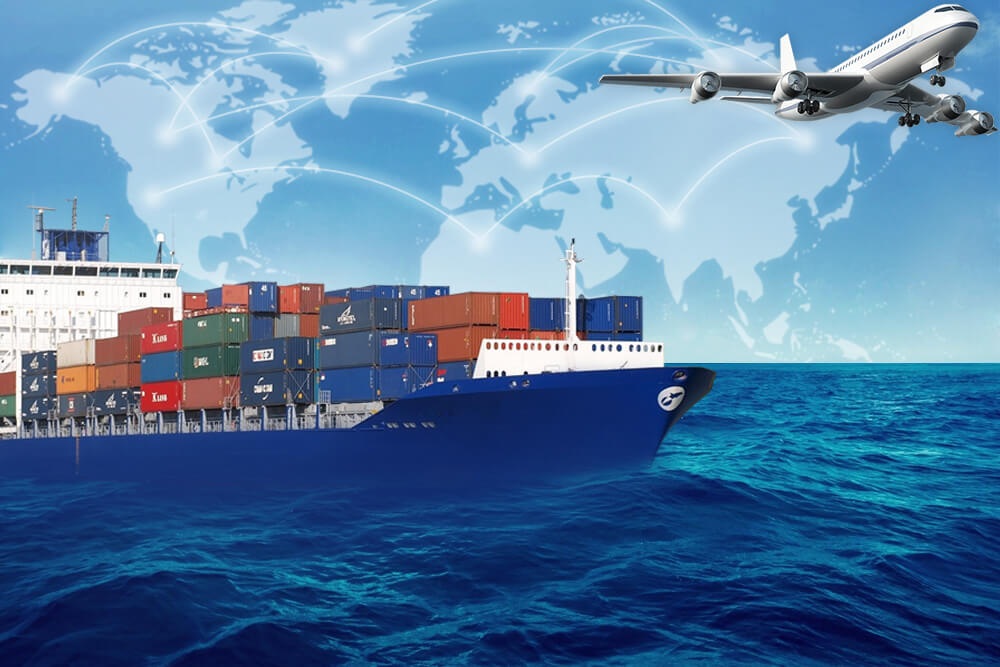
7. How Long Does Shipping Take from China?
| Route | Air Freight | Sea Freight | Rail Freight |
|---|---|---|---|
| Shanghai → Los Angeles | 3–5 days | 25–30 days | N/A |
| Ningbo → New York | 5–7 days | 30–40 days | N/A |
| Guangzhou → Houston | 4–6 days | 30–35 days | N/A |
| Shenzhen → Chicago | 3–6 days | 28–35 days | N/A |
8. What Documents Do Freight Forwarders Help Prepare?
| Document | Purpose |
|---|---|
| Bill of Lading (B/L) | Proof of ocean shipment |
| Air Waybill (AWB) | Transport document for air cargo |
| Commercial Invoice | Declares cargo value for customs |
| Packing List | Itemized cargo details |
| Certificate of Origin | Determines tariff eligibility |
| Customs Bond | Required for U.S. imports |
| ISF Filing | Mandatory for sea imports |
9. Should You Choose a Local or International Forwarder?
- Local Chinese Forwarders: Lower costs, direct links with suppliers, local market knowledge.
- International Forwarders: Stronger global presence, advanced IT systems, easier communication.
Best Choice: A forwarder with offices in both China and your destination country.
10. Pros and Cons of Using a Freight Forwarder in China
| Pros | Cons |
|---|---|
| Competitive freight rates | Language and time-zone barriers |
| Strong local expertise | Service quality varies |
| Better Chinese customs handling | Risk of hidden fees |
| Wide service range | Careful verification required |
11. How to Negotiate with Freight Forwarders?
- Request multiple quotes for comparison.
- Clarify whether the quote is “all-in.”
- Negotiate volume discounts for regular shipments.
- Ask about consolidation options for LCL cargo.
- Build long-term partnerships for loyalty pricing.
📦Get a Free Quote
If you’re still considering how to get freight forwarder in China, remember that the right partner can reduce your shipping costs, minimize customs delays, and provide peace of mind throughout the supply chain.
❓ Frequently Asked Questions
Q1: How to get freight forwarder in China for small shipments?
Choose LCL or courier services. They are designed for low-volume cargo and provide cost-effective solutions.
Q2: How do I verify a Chinese freight forwarder’s credibility?
Check their licenses, confirm FIATA/WCA membership, and request customer references before committing.
Q3: Is it cheaper to work with Chinese forwarders or U.S.-based ones?
Chinese forwarders often offer better rates, while U.S.-based forwarders provide stronger local customer support.
Q4: Can freight forwarders in China handle customs clearance?
Yes, most provide customs clearance, ISF filing, and duty/tax calculation to prevent shipment delays.
Q5: Which shipping method is best for urgent deliveries?
Air freight or couriers like DHL/UPS deliver in 3–7 days, making them the best for urgent shipments.
Conclusion
So, how to get freight forwarder in China? The process requires researching reputable providers, verifying their credentials, and comparing their service options. A good forwarder reduces risks, lowers costs, and ensures smooth delivery.
By partnering with a trusted logistics provider, you gain competitive shipping rates, efficient customs clearance, and reliable delivery schedules. Don’t take chances with your supply chain—choose wisely and secure a freight forwarder in China that fits your business needs.