

- By kelly
- September 19, 2025
- Logistics Guide
Lowest Freight from China to UK: Complete 2025 Shipping Guide
Finding the lowest freight from China to UK is one of the biggest challenges for importers and businesses. With shipping costs fluctuating due to fuel prices, port congestion, and demand, choosing the right method can save thousands per shipment. However, with the right strategy and forwarder, you can significantly reduce expenses while keeping delivery times under control.
1. Why Are Freight Costs from China to UK So Important?
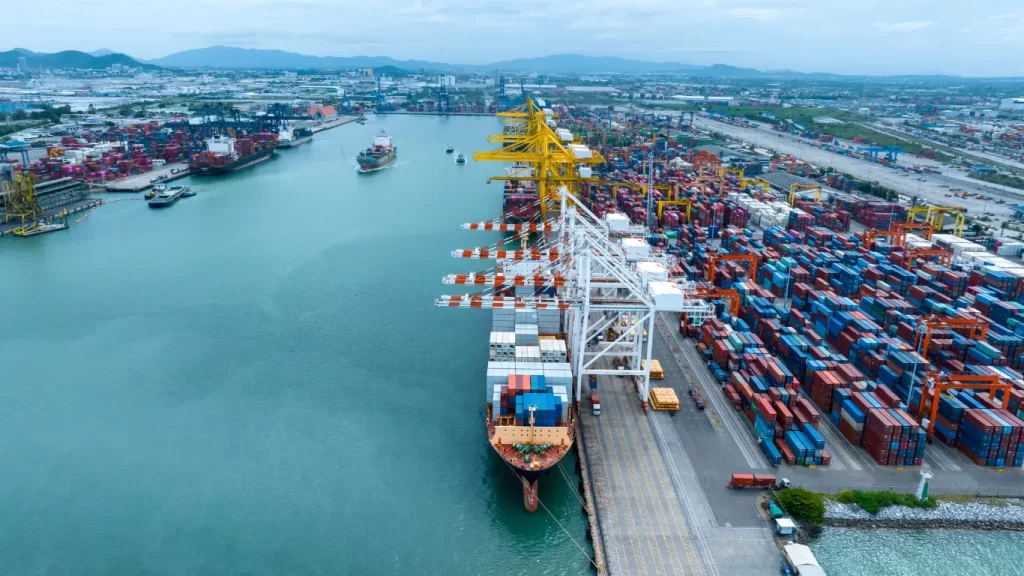
Shipping charges can represent 15–30% of total landed costs. Therefore, if you secure lower freight rates, your products stay competitive in the UK market. Moreover, efficient logistics also reduce delays, minimize hidden fees, and improve supply chain reliability.
2. What Options Exist for the Lowest Freight from China to UK?
| Shipping Method | Average Cost | Transit Time | Best For |
|---|---|---|---|
| Sea Freight (FCL/LCL) | $1,800–$3,200 per container | 30–40 days | Large, non-urgent cargo |
| Air Freight | $5–$8 per kg | 5–9 days | Urgent, high-value shipments |
| Rail Freight | $2,500–$4,500 per container | 18–25 days | Balance of cost & speed |
| Courier (DHL/UPS/FedEx) | $8–$15 per kg | 3–5 days | Small parcels, e-commerce |
Sea freight remains the most affordable choice for bulk cargo, while rail freight offers a middle ground between cost and speed.
3. How Much Is Sea Freight from China to UK?
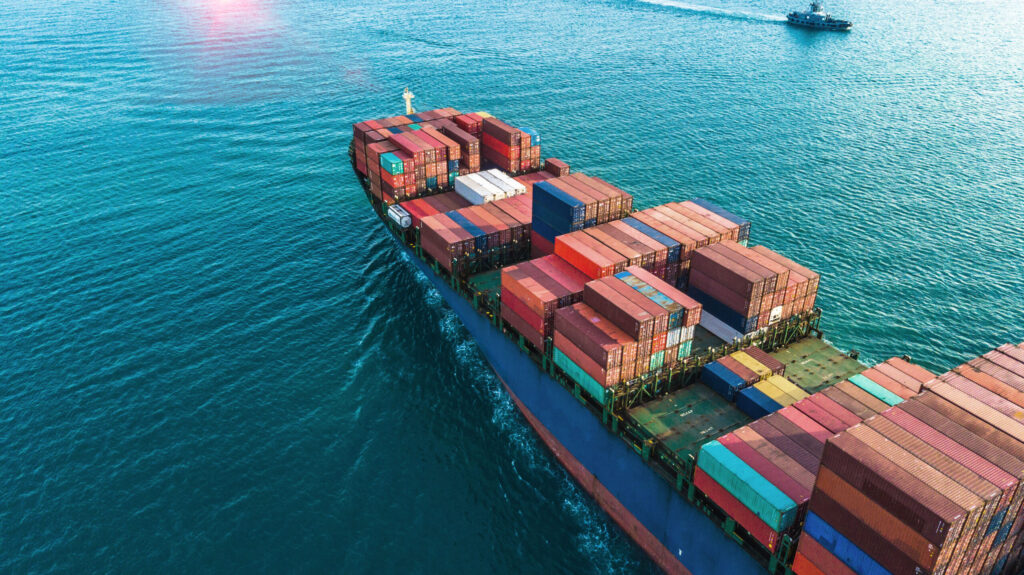
Sea freight is the most common and cheapest option for importers. Costs depend on container size, route, and season.
| Container Type | Average Cost (USD) | Capacity |
|---|---|---|
| 20ft FCL | $1,800–$2,500 | 28–30 CBM |
| 40ft FCL | $2,800–$3,200 | 58–60 CBM |
| LCL (per CBM) | $150–$250 | Small shipments |
Although slower, sea freight is ideal for furniture, machinery, and other large-volume shipments.
4. Is Air Freight from China to UK Affordable?
Air freight ensures faster delivery but at higher rates. Costs vary based on cargo weight, dimensions, and airline choice.
| Weight Bracket | Cost per kg (USD) | Transit Time |
|---|---|---|
| 100–300 kg | $6–$7 | 5–7 days |
| 300–500 kg | $5–$6 | 5–8 days |
| 500+ kg | $4.5–$5.5 | 6–9 days |
Although not the lowest option, air freight is essential for high-value or urgent goods like electronics, fashion, or medical supplies.
5. What About Rail Freight from China to UK?
Rail freight has gained popularity through the China–Europe train routes. It is faster than sea and cheaper than air.
| Service | Average Cost | Transit Time |
|---|---|---|
| 20ft Container | $2,500–$3,200 | 18–22 days |
| 40ft Container | $3,800–$4,500 | 20–25 days |
Rail is a strong alternative for importers who want predictable transit times at mid-range costs.
6. How Do Couriers Compare for Small Shipments?
For parcels under 200 kg, international couriers like DHL, UPS, and FedEx can be cost-efficient.
| Courier | Cost per kg (USD) | Delivery Time |
|---|---|---|
| DHL | $8–$12 | 3–5 days |
| UPS | $9–$13 | 3–6 days |
| FedEx | $10–$15 | 3–5 days |
This is not the lowest freight option for bulk cargo but perfect for small e-commerce shipments.
7. How Do You Calculate the Lowest Freight from China to UK?
Freight costs are based on:
- Weight & volume (chargeable weight).
- Route & port selection (Shanghai vs Ningbo vs Shenzhen).
- Incoterms (FOB, CIF, DDP).
- Seasonality (peak shipping months raise rates).
- Customs duties & taxes.
Therefore, calculating total landed cost is essential, not just the freight quote.
8. What Customs Documents Are Needed?
| Document | Purpose |
|---|---|
| Commercial Invoice | Declares product value |
| Packing List | Details goods and packaging |
| Bill of Lading (B/L) | Proof of sea shipment |
| Air Waybill (AWB) | Proof of air shipment |
| Certificate of Origin | Confirms product source |
| Import VAT/Duty Form | Required for UK customs |
Missing documents can lead to delays and extra fees, reducing savings from low freight rates.
9. What Are the Pros and Cons of Different Freight Methods?
| Method | Pros | Cons |
|---|---|---|
| Sea Freight | Lowest cost, best for bulk | Long transit, port delays |
| Air Freight | Fast, reliable | High cost |
| Rail Freight | Balance of cost & speed | Limited routes |
| Courier | Easy, door-to-door | Expensive per kg |
10. How Can You Get the Lowest Freight Rates?
- Book early to avoid peak surcharges.
- Choose LCL consolidation for smaller shipments.
- Work with experienced freight forwarders in China.
- Negotiate long-term contracts with carriers.
- Compare routes and ports (Shanghai may differ from Shenzhen).
- Use multi-modal shipping (sea + rail or sea + truck).
11. How Does Transit Time Affect Costs?
Faster delivery usually means higher costs. Importers must balance urgency and budget.
| Delivery Speed | Method | Cost Range |
|---|---|---|
| Fastest | Air freight / Courier | High |
| Balanced | Rail freight | Medium |
| Lowest | Sea freight | Low |
12. Common Mistakes to Avoid When Searching for the Lowest Freight
- Choosing only the cheapest quote without checking hidden fees.
- Ignoring customs duties and VAT in the UK.
- Overlooking insurance coverage.
- Using unreliable forwarders without proper licenses.
- Not confirming Incoterms with suppliers.
📦Get a Free Quote
The key to securing the lowest freight from China to UK is working with a trusted logistics partner who can balance price, speed, and reliability.
❓ Frequently Asked Questions
Q1: What is the lowest freight option from China to UK?
Sea freight offers the lowest rates, especially for bulk cargo. A 20ft container can cost as little as $1,800.
Q2: How long does sea freight from China to UK take?
On average, it takes 30–40 days depending on the port of origin and destination.
Q3: Can rail freight be cheaper than sea freight?
No, rail is faster but usually more expensive than sea freight. It balances cost and time.
Q4: What is the cheapest way to ship small parcels?
For under 200 kg, consolidated courier or LCL is cheaper than air freight.
Q5: Do hidden fees affect freight costs?
Yes, charges like documentation, port handling, and customs can add up. Always request an all-in quote.
Conclusion
In summary, the lowest freight from China to UK is typically achieved via sea freight, with LCL for smaller loads and FCL for full containers. However, depending on urgency and cargo type, rail, air, and courier may be more suitable.
By comparing shipping methods, calculating total landed costs, and working with reliable freight forwarders, importers can save money while ensuring smooth supply chains. Ultimately, the lowest freight option is not just about price—it’s about efficiency, compliance, and risk reduction.