

- By kelly
- September 22, 2025
- Logistics Guide
Ocean Freight Rates China: Complete Guide to Costs, Transit Times, and Logistics
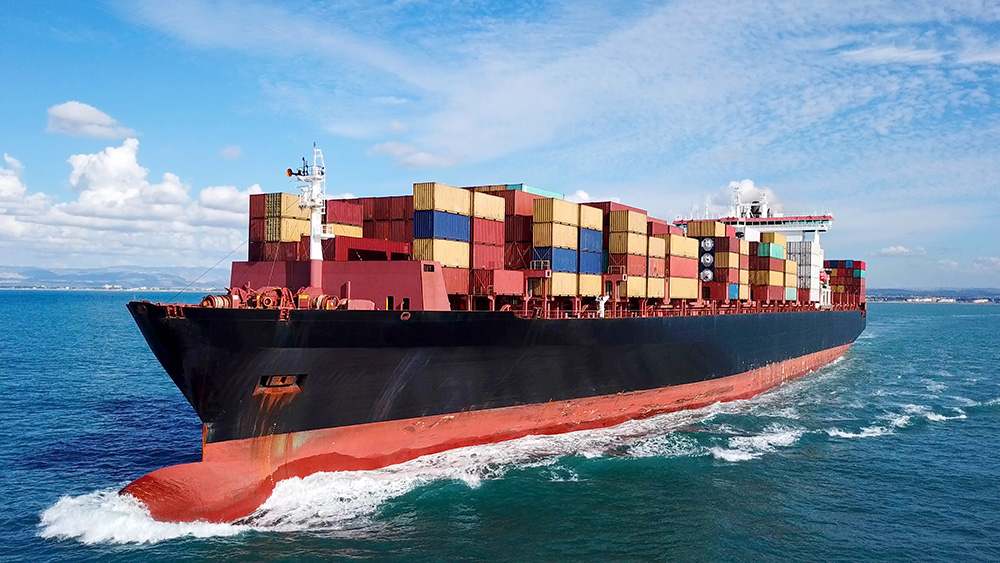
Ocean freight rates China remain one of the most crucial factors for global importers and exporters. With China as the world’s largest manufacturing hub, businesses depend heavily on predictable shipping costs, accurate transit times, and transparent logistics processes. However, fluctuating rates, customs challenges, and supply chain disruptions often complicate international shipping. This guide explains everything you need to know about ocean freight rates from China, helping you save money, avoid delays, and make informed logistics decisions.
What Are Ocean Freight Rates from China?
Ocean freight rates from China refer to the charges applied when transporting goods via sea. These rates include costs related to container handling, port fees, carrier charges, and fuel surcharges. Moreover, they vary depending on destination, cargo type, container size, and seasonal demand.
| Factor | Impact on Freight Rates | Example |
|---|---|---|
| Container Size | Larger containers cost more but reduce cost per unit | 20ft vs 40ft |
| Destination | Longer routes = higher costs | China–USA vs China–Singapore |
| Cargo Type | Hazardous goods incur higher surcharges | Chemicals vs textiles |
| Season | Peak seasons raise prices | Pre-Christmas, factory reopening |
| Carrier Choice | Premium carriers charge more for speed/reliability | Maersk vs budget line |
Why Do Ocean Freight Rates from China Fluctuate?
How Much Does Ocean Freight from China Cost?
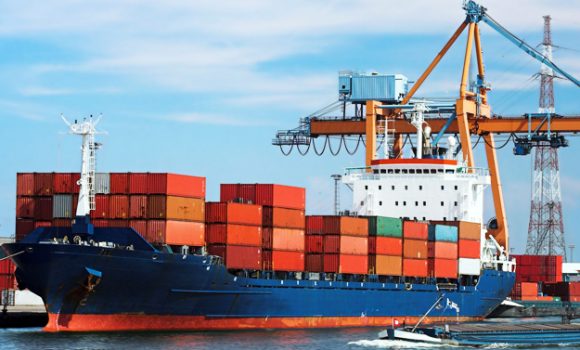
Ocean freight costs from China generally range between $1,000 to $5,000 per container, depending on shipping routes and demand. For LCL (Less than Container Load), rates are calculated by CBM (cubic meter), making it suitable for small shipments.
| Shipping Type | Average Cost | Transit Time | Best For |
|---|---|---|---|
| FCL 20ft | $1,000–$2,500 | 20–35 days | Large bulk |
| FCL 40ft | $2,000–$5,000 | 20–35 days | Big cargo |
| LCL | $50–$80 per CBM | 25–40 days | Small/medium shipments |
What Affects Transit Time for Ocean Freight from China?
Transit times depend largely on the destination, shipping route, and carrier service. Additionally, customs clearance delays can extend delivery schedules.
| Destination | Estimated Transit Time | Notes |
|---|---|---|
| China to US West Coast | 15–20 days | Faster than East Coast |
| China to US East Coast | 25–35 days | Via Panama/Suez Canal |
| China to Europe | 30–40 days | Major ports: Rotterdam, Hamburg |
| China to Southeast Asia | 7–15 days | Shortest regional routes |
Should You Choose FCL or LCL for Shipping from China?
Choosing between FCL (Full Container Load) and LCL (Less than Container Load) depends on cargo size and urgency.
| Method | Pros | Cons |
|---|---|---|
| FCL | Lower cost per unit, faster, secure | Higher upfront cost |
| LCL | Flexible for small loads, cost-sharing | Longer transit, higher risk of delays |
How Do Ocean Freight Rates Compare with Air and Rail Freight?
What Documents Do You Need for Ocean Freight from China?
Proper documentation ensures smooth customs clearance. Missing or incorrect paperwork often leads to costly delays.
| Document | Purpose |
|---|---|
| Bill of Lading | Proof of shipment |
| Commercial Invoice | Declares cargo value |
| Packing List | Details of shipment contents |
| Certificate of Origin | Confirms manufacturing country |
| Import License (if required) | Legal clearance |
| Customs Declaration | Mandatory for clearance |
Can You Reduce Ocean Freight Rates from China?
Yes, businesses can optimize logistics strategies to lower costs.
- Book early during peak seasons to secure better rates.
- Consolidate shipments to maximize container usage.
- Negotiate long-term contracts with freight forwarders.
- Choose alternative ports with lower congestion.
- Track logistics trends to predict price changes.
How Do Supply Chain Trends Influence Shipping from China?
Global logistics trends play a vital role in shaping freight costs. For example:
- Digital freight platforms simplify rate comparison.
- Green shipping initiatives may raise costs but improve sustainability.
- Automation in ports reduces delays and labor disputes.
- Belt and Road rail projects provide faster alternatives to ocean shipping.
Is Ocean Freight from China Reliable for 2025 and Beyond?
Despite global challenges, ocean freight remains the backbone of international trade. Moreover, advancements in digital tracking, customs automation, and smart logistics solutions make ocean freight more predictable. However, businesses should always diversify their supply chain strategies to mitigate risks.
📦Get a Free Quote
Before you finalize your logistics plan, remember that ocean freight rates China can vary widely based on your cargo, route, and service level. Working with a reliable freight forwarder helps you get competitive rates, optimize transit schedules, and simplify customs clearance. Contact us today for a tailored quote that matches your shipping needs.
❓ Frequently Asked Questions
1. How are ocean freight rates from China calculated?
They depend on container size, cargo weight, distance, seasonal demand, and surcharges like bunker adjustment and handling fees.
2. Is LCL shipping from China cheaper than FCL?
Yes, for small shipments, LCL is cheaper. However, FCL is more cost-effective when the container is nearly full.
3. Can I track my ocean freight shipment from China?
Yes, most carriers provide tracking systems that monitor container status, estimated arrival, and customs updates.
4. Do customs fees affect ocean freight costs from China?
Yes, import duties, tariffs, and clearance fees add to overall logistics expenses beyond standard freight charges.
5. How can I reduce shipping delays from China?
Book early, provide complete documents, work with experienced forwarders, and choose less congested ports.
Conclusion
Ocean freight rates China remain highly competitive compared to other transport modes. While costs fluctuate due to demand, customs, and global logistics trends, importers can optimize expenses by choosing the right shipping method, consolidating loads, and planning early. Ultimately, sea freight remains the most reliable and cost-effective option for businesses worldwide.