

- By ayla tj
- September 22, 2025
- Logistics Guide
Shipping goods across the Pacific is a critical part of global trade, yet many importers struggle with uncertainty around ocean freight time from China to USA. Transit times vary depending on routes, ports, carriers, and customs procedures. However, with the right freight forwarder, you can minimize delays, reduce costs, and improve supply chain efficiency. Whether you choose sea freight, air freight, or rail freight solutions, reliable Chinese freight forwarders help streamline the entire process.
1. What Is the Average Ocean Freight Time from China to USA?
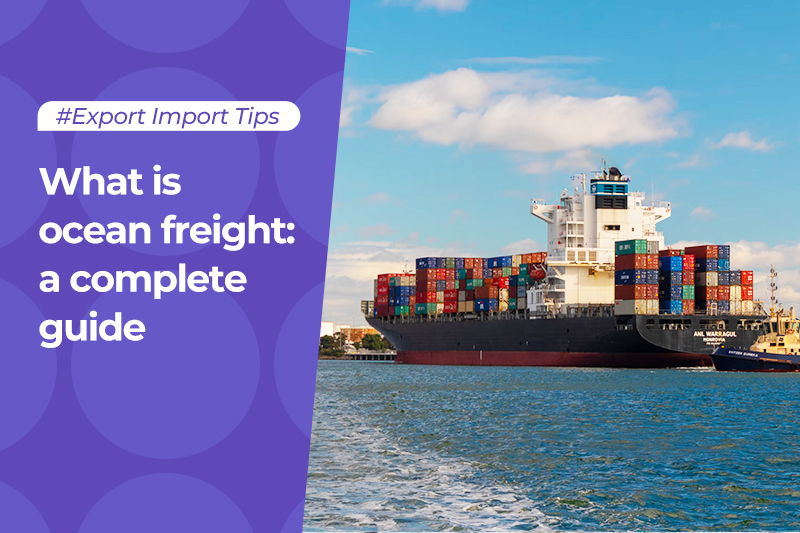
The average ocean freight time from China to USA ranges from 20 to 40 days. Transit time depends on the shipping lane and port combination.
| Route | Average Transit Time | Notes |
|---|---|---|
| Shanghai to Los Angeles | 15–20 days | Fastest Pacific route |
| Shenzhen to Long Beach | 16–22 days | Popular for electronics & textiles |
| Ningbo to New York | 30–40 days | Via Panama Canal |
| Qingdao to Houston | 28–35 days | Longer inland distance |
2. Why Does Transit Time Vary by Port?
Transit times differ because of geographical distance, port congestion, vessel schedules, and customs inspections. West Coast ports such as Los Angeles and Long Beach typically offer the quickest turnaround, while East Coast destinations take longer due to Panama Canal transits.
3. How Does FCL vs LCL Affect Delivery Speed?
- Full Container Load (FCL): Faster, since containers are sealed and shipped directly.
- Less than Container Load (LCL): Slower, as goods require consolidation and deconsolidation.
| Mode | Speed | Cost | Best For |
|---|---|---|---|
| FCL | Faster (20–35 days) | Higher | Large shipments |
| LCL | Slower (25–40 days) | Lower | Small/medium shipments |
4. Can Shipping Costs Impact Freight Time?
Yes. Lower-cost carriers may use slower vessels or transshipment routes. Conversely, paying for premium services often reduces delays. Therefore, balancing shipping cost vs transit time is essential for importers.
What are you waiting for?
Contact TJ China Freight for a fast, free quote.
Are you ready to book?
Access live instant freight quotes
5. How Do Customs Procedures Influence Ocean Freight Time?
Customs clearance in both China and the USA can add 2–7 days to transit times. Required documents include:
| Essential Documents | Purpose |
|---|---|
| Bill of Lading | Proof of shipment |
| Commercial Invoice | Customs declaration |
| Packing List | Cargo details |
| Importer Security Filing (ISF) | Required for US customs |
6. Should You Consider Alternative Shipping Modes?
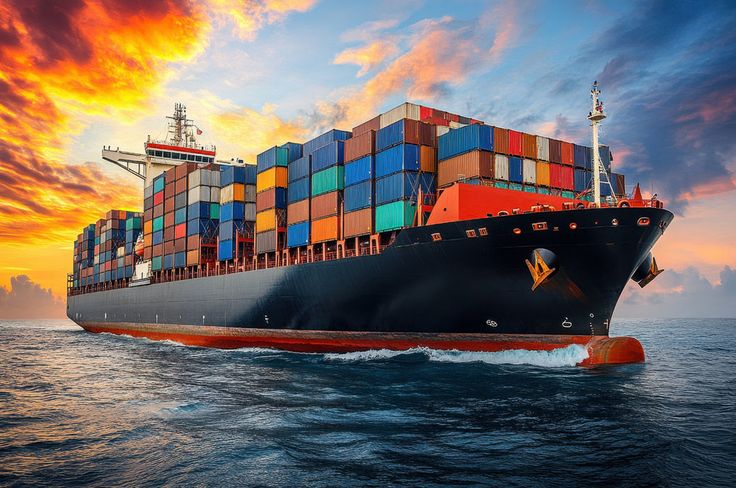
While sea freight is the most common, other methods exist:
| Mode | Transit Time | Cost | Pros | Cons |
|---|---|---|---|---|
| Sea Freight | 20–40 days | Lowest | Cost-effective, large volume | Slow |
| Air Freight | 3–7 days | High | Fast, reliable | Expensive |
| Rail Freight (China–Europe–USA) | 25–35 days | Moderate | Balanced option | Limited routes |
| Express Courier | 2–5 days | Very high | Door-to-door convenience | Small parcels only |
7. Do Seasonal Trends Affect Ocean Freight Time?
Yes. Peak seasons (e.g., before Chinese New Year and US holiday seasons) cause port congestion and vessel overbooking. Planning shipments 1–2 months ahead helps avoid costly delays.
8. What Are the Pros and Cons of Ocean Freight vs Air Freight?
| Factor | Ocean Freight | Air Freight |
|---|---|---|
| Transit Time | 20–40 days | 3–7 days |
| Cost | Low | High |
| Volume | Large loads | Limited capacity |
| Carbon Footprint | Lower per kg | Higher per kg |
| Reliability | Affected by port delays | High consistency |
9. How Can a Freight Forwarder Reduce Delays?
A professional freight forwarder in China helps by:
- Booking vessels with reliable carriers.
- Handling customs documentation.
- Offering multimodal solutions (sea + air + rail).
- Providing door-to-door delivery services.
10. Practical Tips to Shorten Ocean Freight Time
- Choose FCL instead of LCL where possible.
- Ship to West Coast ports for faster delivery.
- Work with a reliable freight forwarder for customs.
- Plan shipments early during peak seasons.
- Use express shipping for urgent orders.
Final Thoughts
The ocean freight time from China to USA typically ranges from 20 to 40 days, depending on routes, container type, and customs clearance. However, with smart planning, early booking, and the support of experienced freight forwarders, businesses can reduce risks and ensure timely deliveries. Ultimately, choosing the right logistics partner helps balance cost, speed, and reliability—allowing you to optimize your supply chain.
FAQ
Q1: Which US port is most efficient for imports from China?
Los Angeles and Long Beach are typically the fastest due to proximity, advanced infrastructure, and frequent vessel arrivals compared to East Coast ports.
Q2: How early should I book ocean freight from China?
Booking at least 3–4 weeks before departure is recommended, especially during peak seasons, to secure space and avoid unexpected surcharges or delays.
Q3: Can ocean freight shipments include door-to-door delivery?
Yes. Many freight forwarders offer integrated door-to-door services that include pickup, customs clearance, and final delivery directly to your warehouse or customer.
Q4: How do Incoterms affect my shipping timeline?
Incoterms determine responsibility for customs, insurance, and delivery. Choosing terms like DDP may simplify processes but could also extend transit time slightly.
Q5: What cargo types are best suited for ocean freight?
Ocean freight is best for bulky, heavy, or non-perishable cargo like machinery, furniture, textiles, and electronics where cost savings outweigh longer transit times.